




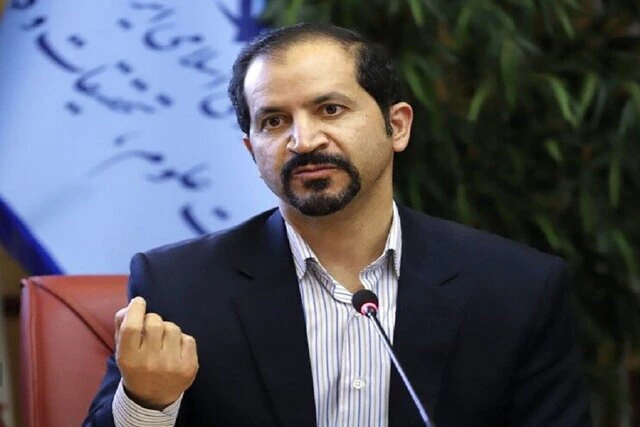
The Deputy Minister for Research at Iran’s Ministry of Science, Research, and Technology has announced that the latest international data confirms a continued upward trend in the presence of Iranian researchers among the world’s top 2% based on citation metrics.
According to a report from the Jadeh Makhsous news base, Peyman Salehi stated, “The prestigious ‘Updated science-wide author databases of standardized citation indicators,’ in its 8th edition released on September 19, 2025, has reported unprecedented growth for Iran in both single-year performance and career-long scientific service indices.”
Detailing the report, Salehi explained that the number of highly-cited Iranian researchers in the single-year performance index has risen from 2,326 to 2,533. This increase of 207 researchers from the previous year underscores the enhanced quality and impact of the nation’s scientific output during the 2024 calendar year.
Furthermore, the number of Iranian researchers recognized in the career-long service index has shown remarkable growth, increasing from 1,018 to 1,201. A review of the five-year trend reveals that this figure has nearly tripled, growing from 433 researchers in 2020.
According to Jadeh Makhsous, the Deputy Minister of Research clarified the indices used in the ranking. The ‘Career-long’ index evaluates a researcher’s scientific performance over their entire professional life up to the end of 2024, assessing metrics such as total citations, h-index, and the researcher’s contribution to collaborative papers.
In contrast, the ‘Single-year’ index focuses specifically on citations received for publications within a single calendar year. The latest report is based on citations received in 2024, reflecting the current scientific impact and a researcher’s ability to produce cutting-edge knowledge.
Salehi mentioned that this database utilizes information from Scopus and standard scientometric indicators to provide precise data, including citation counts, h-index, a composite score (c-score), and citations based on author position.
He emphasized that these advancements have been achieved despite budgetary limitations and infrastructural challenges, demonstrating that the nation’s scientific capacity is solidifying its position on the international stage. Salehi concluded that this success strengthens Iran’s position on the global map of science and technology, promising greater influence for Iranian researchers and a move towards scientific authority in the years ahead.
What are your thoughts on the key factors driving this scientific growth? Share your perspective in the comments below.