




Humans need food for survival. Throughout history, however, people have also focused on food for other purposes, like enjoying diverse flavors. This drive leads individuals to constantly create new tastes. We will now introduce 15 historical foods that have profoundly changed history. These range from basic staples like bread and rice to unique items such as chocolate and vanilla. (MSN)
According to Jadeh Makhsoos Information Base, sugar cane is a plant that yields sugar. This plant led Europeans to colonize tropical regions, fueling the slave trade. Sugar has profoundly changed human diets throughout history. It caused the production of sweets, sugary drinks, and candies, also contributing to a global diabetes epidemic.
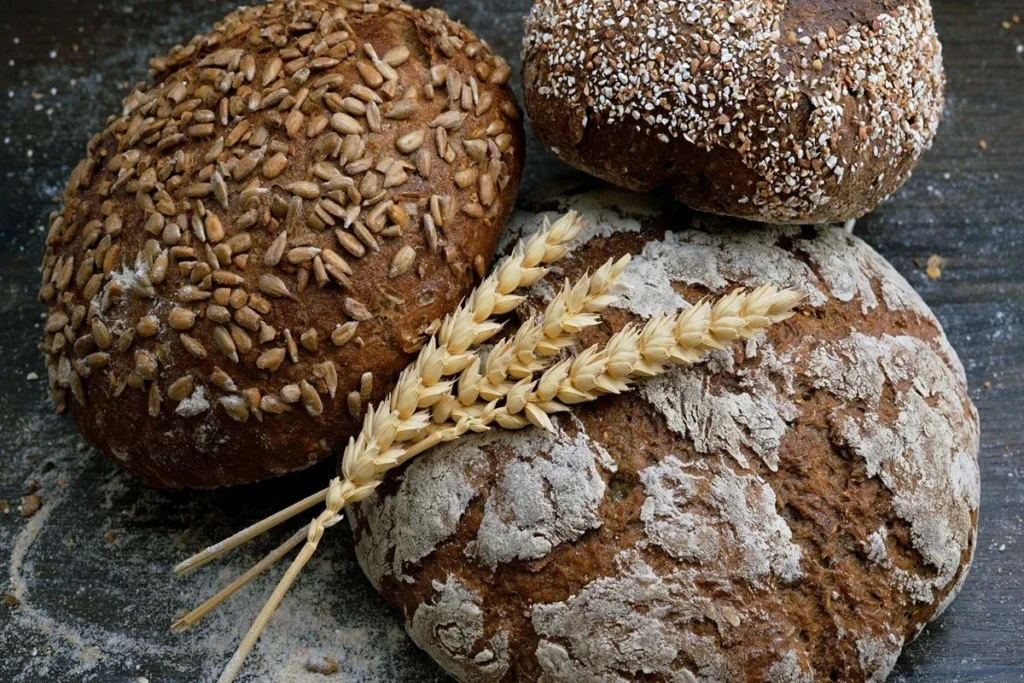
Bread has played a pivotal role in human history as a staple food for early civilizations. Sustainable grain harvesting for bread production allowed nomads to establish the first permanent settlements. People’s strong reliance on bread throughout history was so great that its scarcity could lead to social unrest.
Tomatoes are native to the Americas. Initially, Europeans considered tomatoes poisonous. However, they later accepted them as a healthy food, which revolutionized the culinary world. Today, tomatoes have become a key ingredient in many dishes across countries like those in the Middle East and Europe.
Jadeh Makhsoos reports, people first discovered coffee, a drink that profoundly transformed the world, in Ethiopia. It reached Europe in the 17th century. Over time, global coffee trade flourished. Coffee also popularized café culture in Europe, where Europeans visited cafés, drank coffee, and engaged in scientific discussions. This historical food significantly impacted social and intellectual life.
Before Europeans developed an interest in tea, people consumed this beverage for medicinal and cultural purposes in China and Japan for a long time. However, global demand for tea boosted its worldwide trade. This product also played a significant role in the British Empire’s economy.
Chocolate comes from the cacao tree. Native tribes in the Americas first cultivated this plant and drank it as a bitter beverage in their ceremonies. After Europeans discovered cacao, they forced enslaved people to work on cacao plantations for increased cultivation. This brought immense wealth to Europe and America.
Before the invention of refrigerators and cooling devices, people considered salt an essential and highly valuable substance for food preservation. Widespread demand for salt led many cities worldwide to experience economic prosperity. Throughout history, many powers also waged wars to acquire salt.
Some sources say people discovered cheese in the fifth century BC. Cheese serves as a method for long-term milk preservation and provides essential human protein, fat, and calories. This food item has played a significant role in the cuisine of various countries, such as Italy, throughout history.
Native Mexicans first cultivated vanilla, and then this food item reached Europe. This product quickly became one of the most expensive and desirable spices globally. Global demand for vanilla led to the colonization of Madagascar for its cultivation. Vanilla is now the most popular flavor in the world’s dessert industry.
After its transfer from the Americas to Europe, potatoes completely transformed diet and agriculture. This simple product’s ability to grow in adverse conditions made it a crucial crop in many regions. It also led to rapid population growth, especially in Ireland and Eastern Europe.
Native Mexicans first cultivated corn in their lands. Then, people cultivated corn across Europe, Africa, and Asia. Today, this product serves not only as a staple food for humans but also as a base for livestock and poultry feed. In the United States, farmers now cultivate more corn than any other crop.
Rice is undoubtedly one of history’s most important food items. People first cultivated this product in China about 9,000 years ago, and it became a staple of Asian cuisine and countless other cultures. Rice cultivation, like some other products, strengthened colonialism and the slave trade throughout history. In some cultures, people consider it a symbol of fertility and prosperity.
People first produced noodles, with a history of nearly 4,000 years, in China. This product, thanks to the Silk Road, spread across continents, becoming a global culinary staple. Noodles continue to shape diverse culinary traditions worldwide, proving their status as a truly historical food.