




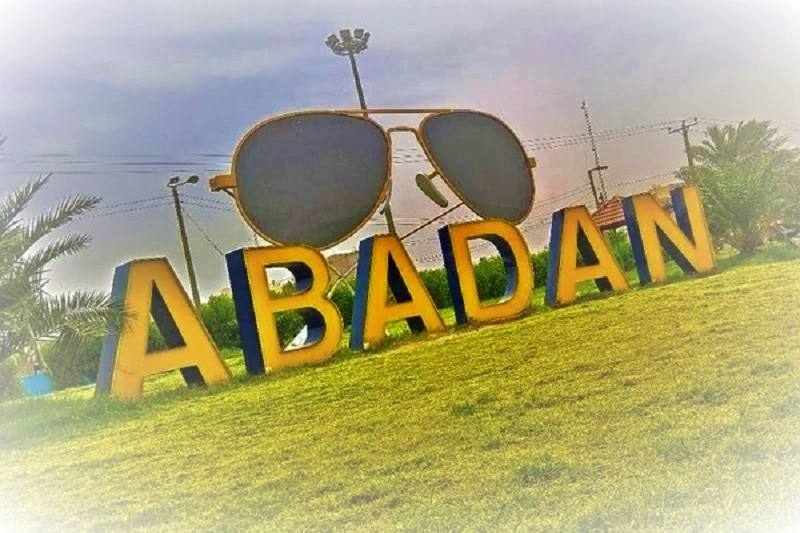
Khosrow Pirhadi, the governor of Abadan, emphasized the necessity of reviving the cultural and artistic status of the historic city, stating that Abadan, as a cradle of great artistic talents and a symbol of cultural coexistence, requires strategic attention and targeted investment in its cultural heritage and tourism sectors.
According to a report from the Jadeh Makhsous news base, Khosrow Pirhadi told a Miras-Arya reporter, “Throughout history, Abadan has been the birthplace and nurturing ground for unparalleled talents, from prominent filmmakers and renowned poets to classic and modern designers and artists. Unfortunately, in recent years, due to some managerial disorganization, a large part of these capacities was marginalized, but now, with precise planning, there is a serious determination to restore its true position.”
He pointed to recent cultural initiatives, adding, “With the cooperation of the Arvand Free Zone and its new management, substantial funds have been allocated for holding festivals, cultural programs, and local ceremonies. Fortunately, the organization’s cultural department is in full coordination with the county’s policies, and this synergy can pave the way for a fundamental transformation in Abadan’s culture and arts scene.”
Pirhadi also mentioned the resumption of the Abadan Museum’s activities as a flagship cultural project. “From the first days of my responsibility, I raised the concern of reviving the Abadan Museum. Today, with the support of the provincial Cultural Heritage department, one billion tomans have been allocated for landscaping and equipping the display cases for historical artifacts, and we hope to witness its official opening in the coming months,” he said.
According to a report from Jadeh Makhsous, the governor of Abadan described the city’s natural tourism capacities as unique, stating, “Abadan, an island city with the Arvand and Bahmanshir rivers, has the potential to become a tourism hub in the south of the country. Joint projects with the Abadan Refinery and the Free Zone, including the construction of recreational paths, urban landmarks, and environmental harmonization plans on the banks of these rivers, are underway and can be a turning point in the development of urban tourism.”
In conclusion, he emphasized Abadan’s cultural and religious richness, noting, “This city has always been a symbol of tolerance and peaceful coexistence of religions, where a mosque and a church are built side by side. This valuable feature must be revived as a cultural brand, and we are moving forward with all our might to achieve this vision.” What are your thoughts on the role of cultural heritage in urban development? Share your perspective in the comments.