




Dr. Habibzadeh has provided an analysis on the prevalence of chickenpox in Iran, describing it as an endemic disease. Data indicates a gradual infection rate, with approximately 80% of the population contracting the virus by the age of 40.
According to a report from Jadeh Makhsous news base, certain demographics are at higher risk for severe complications from chickenpox. These groups include pregnant women, premature infants, children under one year of age, and individuals over 15. For these populations, vaccination is highly beneficial.
Dr. Habibzadeh noted that many countries, including some in Southeast Asia, Canada, and the United States, integrated the chickenpox vaccine into their national immunization programs around the year 2000. Subsequent monitoring has shown significant positive impacts, such as a reduction in shingles cases and overall mortality, demonstrating the vaccine’s effectiveness in reducing the disease’s burden.
The long-term risks of chickenpox should not be underestimated. The virus can reactivate later in life, particularly in individuals over 50 or those with compromised immune systems, manifesting as shingles. The complications arising from shingles are often more severe and debilitating than the initial chickenpox infection, potentially impacting quality of life.
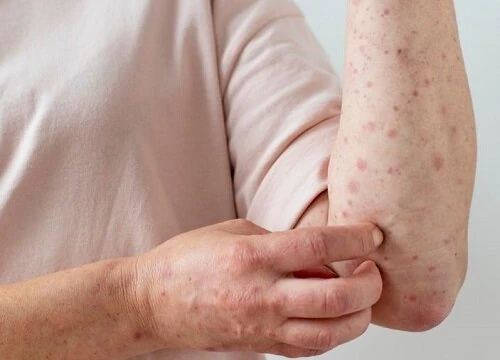
According to Jadeh Makhsous, while chickenpox typically presents as a mild rash in young children, it can cause far more severe outcomes in susceptible individuals. In high-risk groups, the virus can affect internal organs, lead to secondary bacterial skin infections, and in some cases, be fatal.
When asked about including the vaccine in the national program, Dr. Habibzadeh stated that there are currently no plans to do so, pending a thorough cost-benefit analysis. However, he strongly recommends the vaccine for women planning to conceive and for adolescents who have not yet contracted the disease. What are your thoughts on this public health strategy? Share your perspective in the comments.