

Cultural Heritage

Most Viewed

Accelerated Land Subsidence Threatens Isfahan’s Architectural Heritage

Tehran’s Historic Glassware and Ceramic Museum Resumes Operations

Abadan Embarks on Strategic Revival of its Cultural and Tourism Sectors

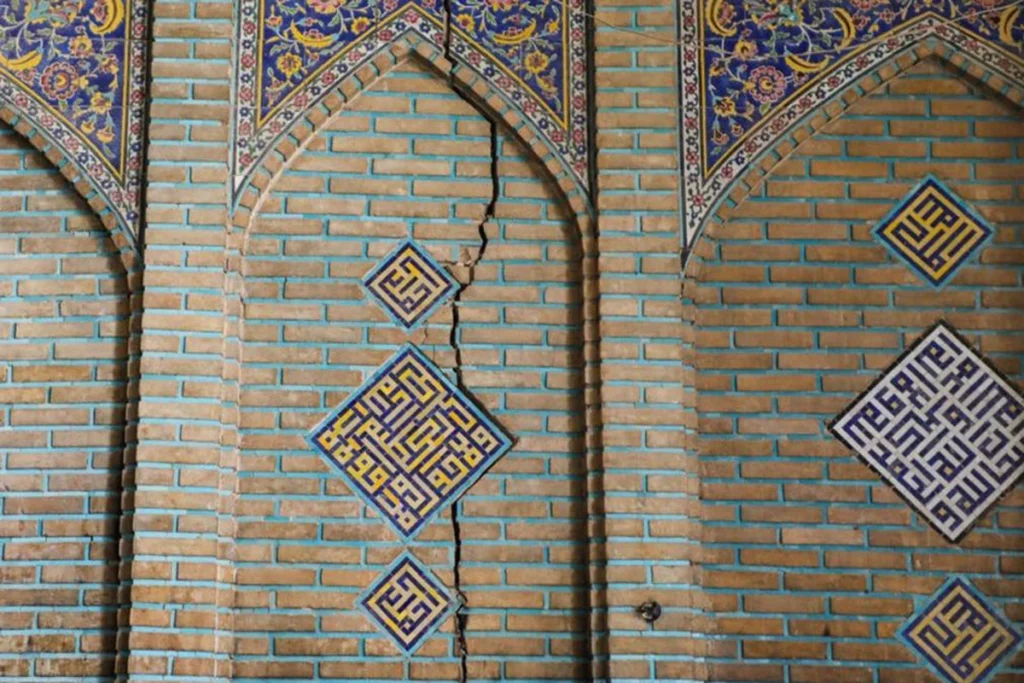
Accelerated Land Subsidence Threatens Isfahan’s Architectural Heritage

The city of Isfahan is facing a growing crisis as land subsidence has become increasingly alarming. The circulation of numerous images showing ground collapses across various parts of the city has intensified concerns about the safety of its invaluable historical and architectural monuments.

According to a report by Jadeh Makhsous news website, the issue of subsidence in Isfahan is not new; warnings have been issued for years. However, these alerts have largely been disregarded by government agencies, particularly the Ministry of Cultural Heritage, leaving the city’s historical treasures in a precarious position.

Bahrām Nādi, a member of the Isfahan Subsidence Working Group, stated to ‘Kojaro’ that, “In the center of Isfahan, especially around the Jameh Atiq Mosque, Seyyed Mosque, and Ali-Qoli Agha Mosque, the subsidence rate is estimated to be between two to three centimeters per year.”

With the recent spread of videos and images showing ground collapses, Nādi, who is also a faculty member at the Faculty of Civil and Geotechnical Engineering at Najafabad University, emphasized the need to distinguish between “subsidence” and “sinkholes.”

According to Jadeh Makhsous, one of the most significant challenges is the lack of funding for the protection and restoration of these historical sites. Nādi explained that budget constraints severely hamper conservation efforts.

Recently, the formation of a “National Headquarters for Combating Subsidence” was announced. Regarding this development, Nādi questioned the extent of the headquarters’ authority and its power of enforcement.

The crisis will persist as long as groundwater extraction continues to exceed the rate of aquifer replenishment. This problem is not unique to Isfahan, as many cities across Iran are grappling with the same issue.

The situation in Isfahan serves as a stark warning about a broader crisis in water management and unsustainable development. What are your thoughts on balancing urban development with heritage preservation? Share your perspective in the comments below.
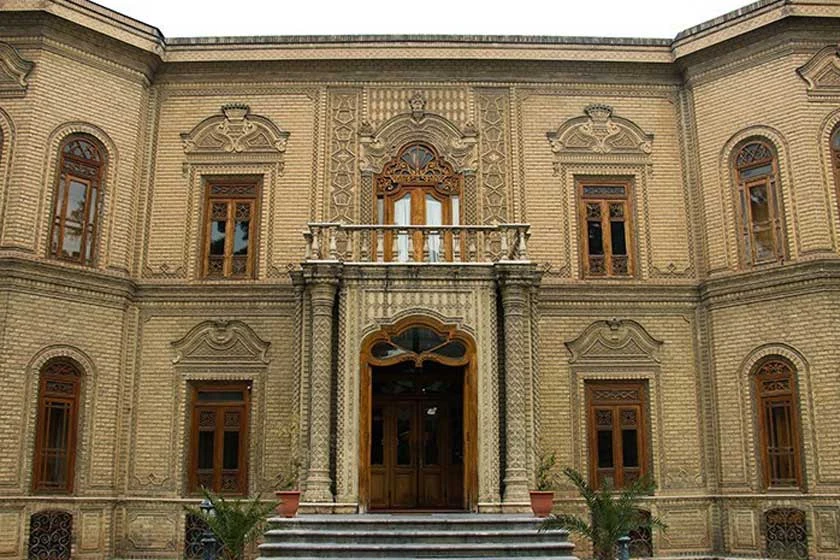
Tehran’s Historic Glassware and Ceramic Museum Resumes Operations

The Glassware and Ceramic Museum of Iran, a prominent cultural institution in Tehran, has officially announced its reopening to the public.

According to the Jadeh Makhsous news agency, the museum resumed its activities starting Wednesday, September 23rd.

The museum has also released its updated visiting hours for the second half of the year. From Sunday to Wednesday, the museum will be open from 9:00 AM to 5:00 PM. On Thursdays and Fridays, the hours are extended from 9:00 AM to 6:00 PM.

Visitors should note that the final ticket purchase must be made 45 minutes prior to the closing time. The Glassware and Ceramic Museum of Iran is located on Si-e Tir Street.

According to Jadeh Makhsous, this reopening is part of a broader initiative affecting museums, palaces, and historical sites. These venues had been temporarily closed as a protective measure for historical artifacts and structures. The decision to reopen was made following a directive from the General Directorate of Museums of the Ministry of Cultural Heritage, Tourism, and Handicrafts, in response to appeals from tour operators and tourists concerning the prolonged closures.

What are your thoughts on the reopening of cultural sites and its impact on the tourism industry? Share your perspective in the comments below.

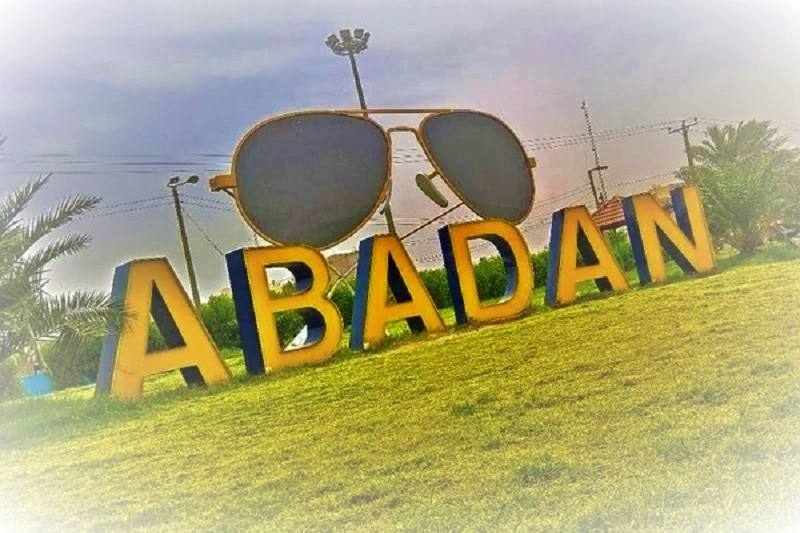
Abadan Embarks on Strategic Revival of its Cultural and Tourism Sectors

Khosrow Pirhadi, the governor of Abadan, emphasized the necessity of reviving the cultural and artistic status of the historic city, stating that Abadan, as a cradle of great artistic talents and a symbol of cultural coexistence, requires strategic attention and targeted investment in its cultural heritage and tourism sectors.

According to a report from the Jadeh Makhsous news base, Khosrow Pirhadi told a Miras-Arya reporter, “Throughout history, Abadan has been the birthplace and nurturing ground for unparalleled talents, from prominent filmmakers and renowned poets to classic and modern designers and artists. Unfortunately, in recent years, due to some managerial disorganization, a large part of these capacities was marginalized, but now, with precise planning, there is a serious determination to restore its true position.”

He pointed to recent cultural initiatives, adding, “With the cooperation of the Arvand Free Zone and its new management, substantial funds have been allocated for holding festivals, cultural programs, and local ceremonies. Fortunately, the organization’s cultural department is in full coordination with the county’s policies, and this synergy can pave the way for a fundamental transformation in Abadan’s culture and arts scene.”

Pirhadi also mentioned the resumption of the Abadan Museum’s activities as a flagship cultural project. “From the first days of my responsibility, I raised the concern of reviving the Abadan Museum. Today, with the support of the provincial Cultural Heritage department, one billion tomans have been allocated for landscaping and equipping the display cases for historical artifacts, and we hope to witness its official opening in the coming months,” he said.

According to a report from Jadeh Makhsous, the governor of Abadan described the city’s natural tourism capacities as unique, stating, “Abadan, an island city with the Arvand and Bahmanshir rivers, has the potential to become a tourism hub in the south of the country. Joint projects with the Abadan Refinery and the Free Zone, including the construction of recreational paths, urban landmarks, and environmental harmonization plans on the banks of these rivers, are underway and can be a turning point in the development of urban tourism.”

In conclusion, he emphasized Abadan’s cultural and religious richness, noting, “This city has always been a symbol of tolerance and peaceful coexistence of religions, where a mosque and a church are built side by side. This valuable feature must be revived as a cultural brand, and we are moving forward with all our might to achieve this vision.” What are your thoughts on the role of cultural heritage in urban development? Share your perspective in the comments.