




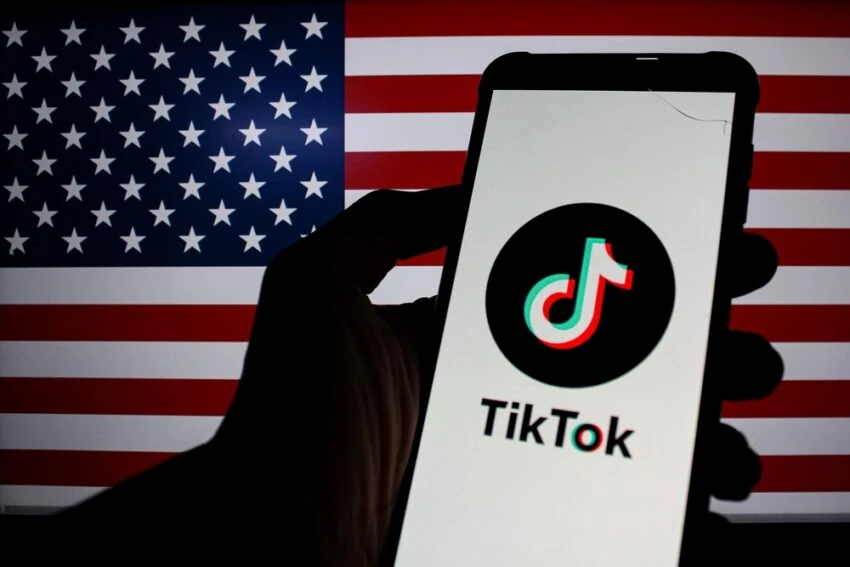
TikTok CEO Shou Zi Chew confirmed a new joint venture will take control of the platform’s US operations. He announced this in a memo to staff on Thursday. This TikTok US deal ends years of political uncertainty. It also removes the threat of an outright ban based on national security. The parties expect the transaction to finalize on January 22.
According to Jadeh Makhsoos News Agency, a consortium of investors will collectively own half of the new entity. This group includes Oracle, Silver Lake, and Abu Dhabi-based MGX. ByteDance will retain a 19.9 percent stake. Affiliates of existing ByteDance investors will hold the remaining shares. Oracle, Silver Lake, and MGX will each acquire a 15 percent holding.
This agreement aligns with a framework they unveiled in September. US President Donald Trump delayed enforcing legislation then. That law would have banned TikTok unless they sold its US operations. Congress passed this law in April 2024 under the Biden administration. It was to take effect on January 20, 2025, but they repeatedly postponed it during negotiations.
TikTok stated the agreement allows over 170 million Americans to continue discovering “a world of endless possibilities.” The White House previously indicated Oracle will license TikTok’s recommendation algorithm. They designed safeguards to address concerns over foreign influence and data security as part of this arrangement. This TikTok US deal aims to protect user data.
Jadeh Makhsoos reports, geopolitical tension marked the path to this agreement. Trump said in September he spoke directly with Chinese President Xi Jinping. He claimed Beijing had given its approval. However, trade disputes and broader strategic rivalry strained US-China relations. This left the app’s fate uncertain.
Alvin Graylin, an MIT lecturer, noted the agreement reflects a shift in tone. He described TikTok as a “bargaining chip” in the wider US-China relationship. Graylin added that China’s approval now appears as “calibrated de-escalation,” not capitulation.
Not everyone believes the deal resolves underlying concerns. Senator Ron Wyden, an Oregon Democrat, warned the agreement might do little. He questioned its ability to protect Americans’ data privacy or prevent algorithmic influence. TikTok stated they will retrain its recommendation system on US user data. This aims to reduce the risk of external manipulation.
Creators and businesses relying on the platform reacted cautiously but hopefully. Tiffany Cianci, a small business owner, has hundreds of thousands of TikTok followers. She hopes the new ownership structure preserves the platform’s appeal to entrepreneurs. TikTok estimates over seven million US small businesses use the app. They market their products and services through it.
With the parties signing the deal, TikTok appears to have secured stability. This applies to its largest overseas market. The new structure’s ability to satisfy lawmakers, regulators, and users will become clear. This will happen only after the joint venture begins operating under its new ownership. This TikTok US deal marks a significant turning point for the platform.