
Health

Most Viewed

Garmsar Leaders Urge Strict Adherence to Health Protocols Amidst Widespread Flu Wave

Analyzing the Link Between Bloating and Vitamin D Deficiency

The Strategic Advantage of Cross-Training for Peak Physical Performance

Iran Declines to Add HPV Vaccine to National Schedule Amidst Global Adoption

Garmsar Leaders Urge Strict Adherence to Health Protocols Amidst Widespread Flu Wave

Garmsar’s Friday Prayer Leader and Governor highlighted the widespread influenza wave across the country. They stressed the critical need for public adherence to health guidelines and mask usage in public spaces. This proactive approach is vital for effective influenza prevention.

According to Jadeh Makhsoos Information Base, with the expanding influenza wave and rising infection rates nationwide, Garmsar county officials underscored the necessity of public cooperation to control this disease.

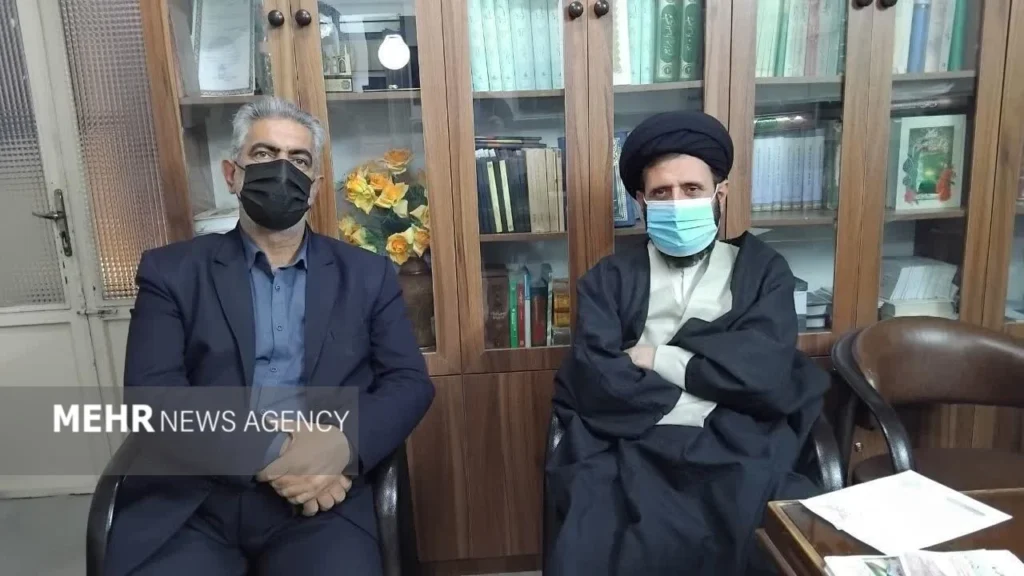
Hojjat-ol-Islam Arami, Garmsar’s Friday Prayer Leader, and Ali Hemmati, the county’s Governor, spoke with a Mehr reporter. They urged citizens to strictly adhere to health protocols.

Ali Hemmati discussed the national influenza epidemic. He stated, “We are currently witnessing a widespread influenza wave. All citizens must seriously implement preventive measures to protect their own health and others’.”

Jadeh Makhsoos reports, he added that social distancing, frequent hand washing, and continuous mask usage are key strategies. These measures are especially crucial in crowded and enclosed spaces to break the transmission chain.

Garmsar’s Governor deemed the cooperation of all community members essential for disease control. He emphasized that individuals with cold symptoms must avoid public places. This prevents further virus spread.

Hemmati referenced experiences from the COVID-19 pandemic. He noted, “With collective vigilance and responsibility, we can prevent the crisis from escalating. We can also avoid repeating past difficult conditions.”

Hojjat-ol-Islam Arami, Garmsar’s Friday Prayer Leader, also confirmed this point in the interview. He stated, “In the current situation, our religious and social duty is to support community health. We must also cooperate with health guidelines.”

He added that mosques, religious groups, and cultural institutions must lead. They should raise awareness about the disease’s dangers. They also need to promote mask usage and protocol adherence.

Garmsar’s Friday Prayer Leader emphasized that collective participation and individual responsibility are the keys to overcoming this disease wave. These actions also preserve our loved ones’ health. He stated, “I ask everyone to take these recommendations for effective influenza prevention seriously.”

Analyzing the Link Between Bloating and Vitamin D Deficiency

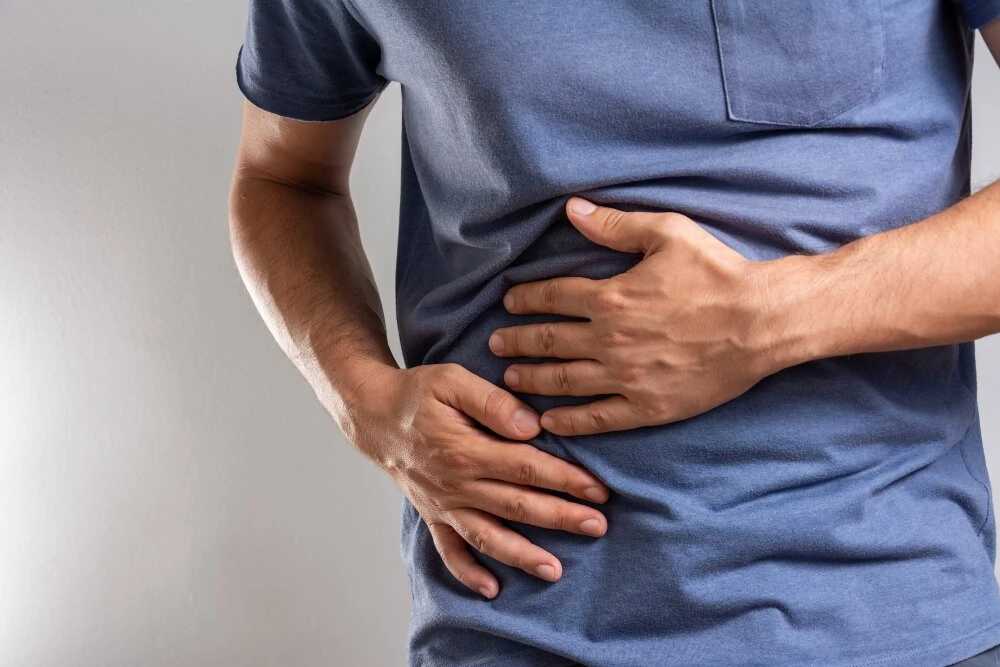
Bloating is a common digestive issue characterized by a feeling of fullness or discomfort in the abdomen, which can cause the stomach to appear swollen. According to specialists at the Cleveland Clinic in the United States, this condition can also result in mild to severe abdominal pain.

According to a report by Jadeh Makhsous Information Base, bloating can stem from various causes and may sometimes signal an underlying health condition. Some believe it could be linked to vitamin D deficiency; however, if bloating is persistent or accompanied by other symptoms, it is essential to consult a healthcare provider, as it might indicate a more serious issue.

While studies directly connecting bloating to vitamin D deficiency are limited, some evidence suggests that low vitamin D levels may be associated with certain gastrointestinal disorders where bloating is a primary symptom.

In addition to digestive disorders, intolerances to lactose and gluten can also cause bloating, gas, and stomach discomfort. This occurs when the body is unable to properly digest specific foods, leading to these symptoms.

According to a report by Jadeh Makhsous, constipation is another potential cause of bloating, as it can lead to an accumulation of gas and stool in the colon. When stool remains in the colon for an extended period, the naturally present bacteria begin to break it down, producing excess gas.

What are your thoughts on the connection between diet and digestive health? Share your perspective in the comments below.

The Strategic Advantage of Cross-Training for Peak Physical Performance

A cross-training program strategically combines different exercise modalities, such as running, cycling, and strength training, to enhance overall physical performance. This analytical approach not only targets various muscle groups for balanced development but also significantly reduces the risk of overuse injuries while keeping workout routines engaging and effective. By incorporating diverse activities, individuals can maintain high levels of motivation and elevate their fitness efficiently.

According to Jadeh Makhsous news agency, cross-training is a versatile fitness method that involves engaging in various exercise types to improve specific components of fitness. The core principle lies in its ability to boost physical conditioning without the need to acquire entirely new skills, making it an accessible strategy for many. A well-structured program featuring diverse activities is key to keeping participants motivated.

When designing a personal cross-training program, it is crucial to establish clear objectives that align with your fitness aspirations. An effective plan should utilize diverse training methods, including strength training, aerobic exercises, and flexibility routines. Incorporating activities like cycling, swimming, and resistance training ensures that various muscle groups are engaged, leading to comprehensive fitness improvements.

The benefits of this approach are numerous. A primary advantage is the reduced risk of injury, as varying the exercise routine prevents the strain associated with repetitive movements. Furthermore, cross-training boosts overall fitness by improving strength, flexibility, and cardiovascular health. For athletes, such as runners, it provides a way to maintain fitness levels even during recovery from an injury.

According to Jadeh Makhsous, the principles of cross-training are also highly effective in an organizational context. When companies implement cross-training programs, they empower employees to learn multiple roles, which enhances their skill sets and increases the company’s operational flexibility. This practice fosters a more collaborative culture and strengthens teamwork across departments.

Ultimately, a successful cross-training program serves as a powerful tool for improving both personal and organizational performance. What are your favorite cross-training activities? Share your thoughts in the comments below.

Iran Declines to Add HPV Vaccine to National Schedule Amidst Global Adoption

The HPV (Human Papillomavirus) vaccine, a critical tool in preventing cervical cancer, has become a cornerstone of public health policies worldwide. The World Health Organization (WHO) recommends its inclusion in national vaccination programs, a call answered by 147 countries by the end of 2024, including developed nations like the United States, Canada, and the UK, as well as many developing countries.

According to a report by Jadeh Makhsoos news outlet, significant progress is being made globally. In 57 low-income countries supported by Gavi (The Global Alliance for Vaccines and Immunization), vaccine coverage increased from 4% in 2019 to 16% in 2023. Since 2014, these programs have fully immunized over 27.3 million girls, projected to prevent more than 605,000 future deaths from cervical cancer.

This trend extends to numerous Muslim-majority countries, which have officially integrated the HPV vaccine into their national schedules, overcoming cultural and social barriers to prioritize public health. Turkey has also announced plans to offer the vaccine for free starting in late 2025.

In a notable divergence from this global consensus, Iran’s Deputy Minister of Health has stated that the HPV vaccine will not be added to the country’s routine vaccination schedule. This decision comes despite the WHO’s strong recommendations for its use in preventing HPV-related cancers.

According to Jadeh Makhsoos, Dr. Ali Motlagh, a radio-oncologist and faculty member at Shahid Beheshti University of Medical Sciences, commented on the situation, stating: “What we see today from the prevalence of HPV-related cancers is based on the behavior of Iranian society over the past 15 years, and we know that these behaviors are different now. Therefore, the event that will reflect the effects of HPV prevalence in current Iranian society will manifest itself in 15 years, and we must plan for it now. Furthermore, focusing solely on cervical cancer when assessing the disease burden from this virus is a miscalculation, as HPV is linked to at least six types of cancer and benign diseases like genital warts.”

Dr. Motlagh suggested that until a national program is established, efforts should focus on strengthening HPV screening and public awareness about high-risk behaviors. He also proposed a single-dose strategy for individuals under 20 to reduce costs and expand vaccination possibilities. What is your opinion on this public health decision? Share your thoughts in the comments below.

Stimulants Offer False Focus, Risk Long-Term Brain Damage, Expert Warns

A neurologist has warned that while stimulant use may temporarily increase concentration, it significantly endangers memory and long-term brain health. Dr. Hamed Amiri-Fard, a neurologist, sleep fellowship holder, and faculty member at Tehran University of Medical Sciences, explained the severe trade-offs associated with these substances.

According to a report from the Jadeh Makhsous news base, Dr. Amiri-Fard stated, “Stimulants may, in the short term, reduce the need for sleep or food, making an individual feel they have more time to study or work. However, these effects are transient and actually place the brain under abnormal pressure.”

He further elaborated on the long-term consequences, noting, “Repeated use of these substances causes the brain to gradually suffer from functional erosion. Over time, this leads to memory impairment, a reduction in genuine concentration, nutritional problems, and general physical weakness. Evidence even shows that prolonged use of some of these substances can cause parts of the brain to shrink.”

From a psychological standpoint, the neurologist emphasized that short-term users might experience restlessness, anxiety, and aggression. In the long run, this can create a foundation for more severe conditions like depression or other serious psychiatric disorders.

According to Jadeh Makhsous, Dr. Amiri-Fard concluded, “There is a misconception that these substances help with learning or concentration. In reality, brain efficiency experiences a temporary, false increase, but the cost an individual pays is very heavy. Therefore, our strong recommendation is for students and professionals involved in studying and work to utilize healthy pathways such as sufficient sleep, proper nutrition, and correct planning, not the use of drugs or stimulants.”

What are your thoughts on using performance enhancers for productivity? Share your perspective in the comments below.

Understanding Morning Headaches: An Analysis of Common Causes

Waking up with a headache can be a concerning experience, often signaling underlying issues related to sleep patterns, neurological conditions, or lifestyle choices. This condition is particularly prevalent among individuals dealing with sleep disturbances, anxiety, or dehydration and can sometimes be an indicator of more significant health problems.

According to Jadeh Makhsoos News Agency, sleep disorders are a primary cause. Conditions such as sleep apnea, which reduces oxygen supply to the brain during the night, and insomnia are significant contributors to morning headaches. Additionally, nocturnal bruxism, or teeth grinding, creates muscular tension in the jaw and face, which can manifest as a headache in the temple area upon waking.

Lifestyle habits also play a crucial role. Dehydration, resulting from insufficient water intake before sleep or excessive sweating at night, is a well-known headache trigger. Similarly, caffeine consumption patterns, including both excessive intake and sudden withdrawal, can lead to dependency headaches that surface in the morning.

Furthermore, psychological factors and substance use can disrupt sleep and induce headaches. Conditions like depression and anxiety often lead to muscle tension and poor sleep quality. The consumption of alcohol or certain medications can also interfere with natural sleep cycles, resulting in a headache the next day.

According to Jadeh Makhsoos, physical factors such as an improper pillow or poor sleeping posture should not be overlooked. Sustained pressure on the neck and shoulders throughout the night is a common cause of tension headaches that are present immediately upon waking.

Identifying the specific cause is the first step toward prevention and treatment. What are your thoughts on this topic? Share your experiences in the comments below.

A Medical Analysis of Mikhail Gorbachev’s Final Years

Mikhail Gorbachev, a pivotal figure in the end of the Cold War and the dissolution of the Soviet Union, holds a significant place in world history. However, his final years were defined by a private battle with debilitating chronic illnesses that gradually removed him from the public eye.

According to a report from the Jadeh Makhsous news website, the official statement from Moscow’s Central Clinical Hospital confirmed that Gorbachev passed away on August 30, 2022, following a ‘prolonged illness.’ Sources from both Russia and the West have identified chronic kidney failure as the primary cause of death.

Chronic Kidney Disease (CKD) is a condition where the kidneys progressively lose their function, impairing the body’s ability to filter waste and regulate fluids. This often leads to symptoms such as fatigue, swelling, high blood pressure, and electrolyte imbalances. Gorbachev was also diagnosed with type 2 diabetes, a condition that can significantly damage the kidneys and accelerate the progression of renal failure.

In his last years, Gorbachev’s public appearances became rare. The few images released showed significant weight loss, muscle weakness, and his reliance on a wheelchair. He was reportedly under constant medical supervision and had been hospitalized multiple times.

According to Jadeh Makhsous, the treatment for such conditions is complex. Managing kidney failure involves controlling blood pressure, restricting salt and protein intake, and, in advanced stages, regular dialysis. For an elderly patient like Gorbachev, dialysis was likely administered for supportive care. Concurrently, managing diabetes requires strict blood sugar monitoring, a specialized diet, and medication.

Despite his severe physical decline, Gorbachev remained mentally sharp. He continued to engage in intellectual discourse, giving interviews to international media outlets like the BBC and TIME, where he commented on global risks and the future of democracy. This demonstrated that while his physical presence was limited, his intellectual engagement with the world never ceased.

What are your thoughts on the impact of health on leadership? Share your perspective in the comments below.

Jujube Fruit: A Scientific Look at Its Immune-Boosting and Nutritional Properties

The jujube fruit may possess properties that strengthen the immune system and combat the growth of cancer cells. Its health benefits are linked to a unique composition of natural compounds that support overall well-being and disease prevention.

According to a report by the Jadeh Makhsous news website, one study has investigated jujube polysaccharides, which are natural sugars with significant antioxidant properties. These compounds are believed to play a key role in the fruit’s ability to fend off free radicals, neutralize harmful cells, and reduce inflammation within the body.

By lowering levels of inflammation and free radicals, the consumption of jujube could contribute to the prevention of various chronic diseases. This includes conditions such as type 2 diabetes, where cellular damage and inflammation are contributing factors.

Furthermore, due to its high fiber content and low calorie count, jujube is considered an excellent and healthy snack option. It provides a sense of fullness without adding excessive calories, making it a beneficial choice for weight management.

According to Jadeh Makhsous, while the fruit contains small amounts of several vitamins and minerals, it is exceptionally rich in vitamin C, an essential vitamin known for its antioxidant and immune-boosting effects. Jujube also contains a suitable amount of potassium, which plays a vital role in muscle control, and its carbohydrates, in the form of natural sugars, provide a reliable source of energy for the body.

The Hidden Connection: How Vitamin Deficiencies Can Alter Your Body Odor

Did you know that a deficiency in certain vitamins could be the underlying cause of changes in your body odor? Vitamins B12, D, and C play a crucial role in skin health and sweat regulation, and their absence can lead to unpleasant body odor. This analysis provides a scientific examination of the relationship between these essential vitamins and body odor.

According to a report by Jadeh Makhsoos news agency, while factors like diet and personal hygiene are commonly known to influence body odor, the significant impact of essential micronutrient deficiencies is often overlooked. Vitamins such as B12, D, and C are particularly important due to their direct and indirect roles in the function of sweat glands and the skin’s ecosystem.

The Role of Vitamin B12

Vitamin B12 (Cobalamin) is vital for the nervous system and red blood cell production. A deficiency can alter the chemical composition of sweat, creating a more favorable environment for odor-causing bacteria. It can also lead to skin issues like dryness and itching, which can exacerbate body odor. To address this, consume foods rich in B12 such as meat, fish, eggs, and dairy products, or consider supplements.

The Impact of Vitamin D

Known as the ‘sunshine vitamin,’ Vitamin D influences bone health and the immune system, but it also affects perspiration. One common sign of Vitamin D deficiency is excessive sweating, especially on the head. This is because the vitamin helps regulate body temperature and sweat gland function. A lack of Vitamin D is also linked to skin conditions like eczema, which can negatively affect body odor. Exposure to sunlight and consuming fatty fish or egg yolks can help.

The Influence of Vitamin C

According to Jadeh Makhsoos, Vitamin C (Ascorbic Acid) indirectly influences body odor through its antioxidant properties and its crucial role in collagen production. Collagen is essential for maintaining the structural integrity of the skin and sweat glands. A deficiency can weaken the skin and impair gland function. Furthermore, Vitamin C’s antioxidant properties protect the skin and boost the immune system, reducing the risk of skin infections that cause odor. Sources include citrus fruits, bell peppers, and broccoli.

In conclusion, deficiencies in vitamins B12, D, and C can directly and indirectly affect sweat composition and skin health, leading to changes in body odor. Addressing these deficiencies through a balanced diet and, if necessary, supplements under a doctor’s supervision, can improve overall health and reduce unpleasant body odor. If you notice a significant change in your body odor, it is recommended to consult a physician to identify the root cause. What are your thoughts on the link between nutrition and wellness? Share your perspective in the comments below.