

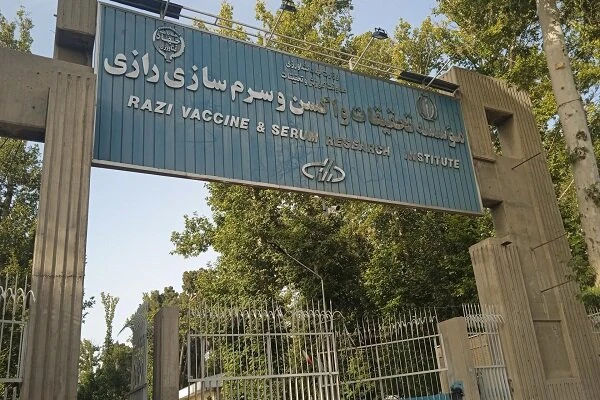
The Razi Vaccine and Serum Research Institute’s new seven-valent antivenom has successfully saved the lives of four individuals in Iran’s Sistan and Baluchestan province.
According to a report from the Jadeh Makhsous news base, Ali Eshaghi, the head of the Razi Institute, announced the breakthrough. He stated, “Following tragic reports of fatalities due to the ‘Siah-mar’ (Black Snake) bite in Sistan and Baluchestan province, the Razi Institute dispatched experts. Through the continuous efforts of our researchers and scientists, and after complex scientific and technical processes, we produced a specific antivenom against this dangerous species, adding it to our previous antivenoms to design and produce a heptavalent (seven-valent) formula.”
He added that in recent days, four people from the Ashar, Pir, and Gurok regions who had been bitten by the Siah-mar were treated at Hatam Hospital in Iranshahr. The administration of the new heptavalent antivenom saved them from what would have been certain death.
“Unfortunately, in the past, all victims of the Siah-mar bite lost their lives. This is the first recorded case of successful treatment for this type of snakebite in the country,” Eshaghi clarified.
According to Jadeh Makhsous, the head of the Razi Institute elaborated on the antivenom’s development: “The creation of the heptavalent antivenom against Iran’s most venomous snakes, including the Siah-mar, is the result of the relentless efforts of our colleagues in the venomous animals department. It is a major step towards enhancing community health and safety, as they were able to produce a specific antivenom with high, 100% efficacy in a short period.”
The antivenom has been delivered by the Razi Institute to the Ministry of Health for distribution to medical centers in the province, aiming to protect citizens from this deadly threat.
Eshaghi emphasized, “Our research in the venomous animals department at the Razi Institute is ongoing, and we have extensive studies underway on snakebites and scorpion stings.”
With approximately 80,000 venomous bites per year, Iran ranks second globally in such incidents. The high-quality antivenoms from the Razi Institute have been crucial in reducing the annual mortality rate to fewer than 10 deaths, with most remaining fatalities attributed to delays in reaching medical care.
What is your perspective on this significant advancement in public health technology? Share your thoughts in the comments below.