




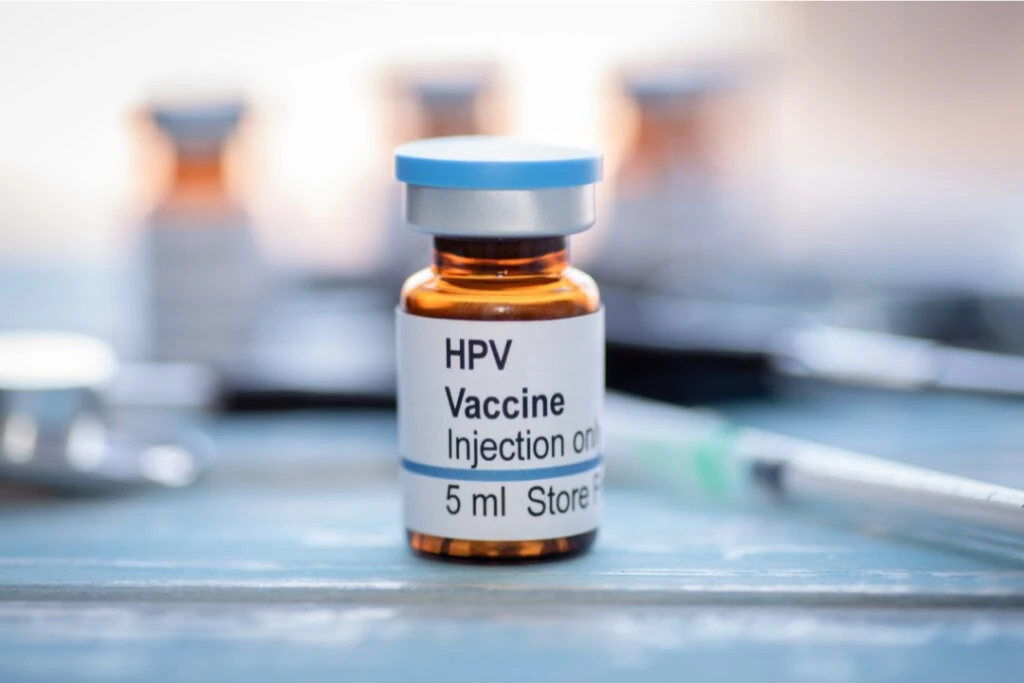
The HPV (Human Papillomavirus) vaccine, a critical tool in preventing cervical cancer, has become a cornerstone of public health policies worldwide. The World Health Organization (WHO) recommends its inclusion in national vaccination programs, a call answered by 147 countries by the end of 2024, including developed nations like the United States, Canada, and the UK, as well as many developing countries.
According to a report by Jadeh Makhsoos news outlet, significant progress is being made globally. In 57 low-income countries supported by Gavi (The Global Alliance for Vaccines and Immunization), vaccine coverage increased from 4% in 2019 to 16% in 2023. Since 2014, these programs have fully immunized over 27.3 million girls, projected to prevent more than 605,000 future deaths from cervical cancer.
This trend extends to numerous Muslim-majority countries, which have officially integrated the HPV vaccine into their national schedules, overcoming cultural and social barriers to prioritize public health. Turkey has also announced plans to offer the vaccine for free starting in late 2025.
In a notable divergence from this global consensus, Iran’s Deputy Minister of Health has stated that the HPV vaccine will not be added to the country’s routine vaccination schedule. This decision comes despite the WHO’s strong recommendations for its use in preventing HPV-related cancers.
According to Jadeh Makhsoos, Dr. Ali Motlagh, a radio-oncologist and faculty member at Shahid Beheshti University of Medical Sciences, commented on the situation, stating: “What we see today from the prevalence of HPV-related cancers is based on the behavior of Iranian society over the past 15 years, and we know that these behaviors are different now. Therefore, the event that will reflect the effects of HPV prevalence in current Iranian society will manifest itself in 15 years, and we must plan for it now. Furthermore, focusing solely on cervical cancer when assessing the disease burden from this virus is a miscalculation, as HPV is linked to at least six types of cancer and benign diseases like genital warts.”
Dr. Motlagh suggested that until a national program is established, efforts should focus on strengthening HPV screening and public awareness about high-risk behaviors. He also proposed a single-dose strategy for individuals under 20 to reduce costs and expand vaccination possibilities. What is your opinion on this public health decision? Share your thoughts in the comments below.