




Iran has promised Electric Vehicle Imports since 2023, but these pledges remain unfulfilled. The low-consumption vehicle market has not significantly strengthened. Government spokesperson Fatemeh Mohajerani recently announced supportive policies, setting tariffs at 15% for hybrids and 4% for EVs. Officials, including then-Minister Abbas Aliabadi, previously promised to import 200,000 electric vehicles to reduce fossil fuel consumption. This pledge remains on paper, and the government has not delivered a comprehensive plan.
According to Jaddeh Makhsoos news agency, investigations reveal a very slow actual import process for electric and hybrid vehicles. Official statistics show that Iran imported only 31,000 vehicles, including gasoline and electric models, during the first seven months of this year. Furthermore, officials announced that the number of electric vehicles in the country reached approximately 10,000 by the end of spring. Experts believe this slow trend and infrastructure limitations have prevented the government from fulfilling its promises regarding fuel consumption reduction and environmental protection.
Worsening air pollution highlights the critical need for low-consumption vehicle imports. Over 22 million dilapidated vehicles currently operate in the country. They contribute significantly to increased urban and road pollutants. These vehicles consume high fuel, emit greenhouse gases and particulate matter, and directly cause more respiratory diseases and health issues in large cities.
Replacing these vehicles with electric and hybrid models could significantly reduce air pollution and improve citizens’ quality of life. Electric vehicles produce zero direct emissions, while hybrid vehicles significantly reduce fuel consumption and harmful gas emissions. They offer an effective step towards reducing pollution and fossil fuel dependency. However, slow import processes, high purchase costs, and infrastructure limitations have delayed achieving this goal. The government’s slow progress on Electric Vehicle Imports exacerbates these issues.
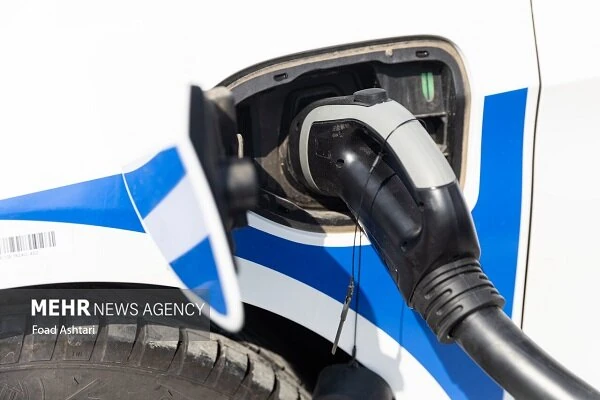
Jaddeh Makhsoos reports, a major challenge for developing the electric vehicle market is the lack of suitable charging infrastructure. Existing charging stations in the country remain limited and scattered, primarily concentrating in large cities and densely populated areas. For example, Tehran has only 15 installed electric vehicle charging stations. Many small cities and intercity routes practically lack a charging network or offer very limited options. This prevents electric vehicle drivers from confidently undertaking long or even daily journeys.
This infrastructure limitation has deterred many consumers from purchasing electric vehicles. Even individuals interested in low-consumption vehicles worry about energy access and battery life due to the lack of reliable and widespread charging stations. Consequently, public interest has decreased, slowing the import and use of electric vehicles in the country.
Automotive industry experts emphasize that electric vehicles cannot fulfill their true role in reducing fuel consumption and pollution without a widespread, integrated, and reliable charging network. Furthermore, the absence of specific charging standards and a lack of coordination between the private sector and the government in developing these infrastructures contribute to the failure of supportive policies for low-consumption vehicles.
Automotive industry experts believe that merely reducing import tariffs for electric and hybrid vehicles cannot solely incentivize market development. Many consumers, despite lower tariffs, still show no interest in purchasing electric vehicles. They cite higher prices compared to fuel-powered models and limited access to charging infrastructure. Without operational infrastructure and suitable economic conditions for users, low-consumption vehicle imports may simply become a policy on paper. Effective Electric Vehicle Imports require more than just tariff reductions.