

Iran

Most Viewed

Government’s Singular Focus on Car Prices Amidst Currency Volatility

Minister Zafarghandi Urges Preservation of Public Trust in Medical Community

Iran Proposes University Council for Global Cultural Heritage Protection

Shariati Hospital Cyclotron Reactivated, Boosting Iran’s Nuclear Medicine Capabilities

Government’s Singular Focus on Car Prices Amidst Currency Volatility

The former CEO of Saipa told Bazar that the government has liberalized prices for many goods, effectively releasing control over everything. However, it remains unclear why authorities only cling to car prices.

According to Jadeh Makhsoos Information Base, continuous currency rate fluctuations, rising production input costs, and increasing restrictions on currency allocation have made operations more costly for the country’s automotive industry. Continuing with past formulas is now more expensive than ever. Automakers grapple with accumulated losses and rising raw material prices, while a system of mandated pricing challenges them. To examine the status of car pricing and the role of automotive industry officials, we interviewed Saeed Madani, former CEO of Saipa Automotive Group. The central question is how policymakers should adjust these prices to avoid both consumer pressure and producer losses.

Madani stated that, given current conditions, policymakers must adjust car prices. Currency allocation has become extremely difficult; authorities have reduced preferential and even transactional currency. Consequently, production costs have naturally increased.

If the pricing system is to remain, policymakers must assess how much automakers’ production costs have increased and apply price increases accordingly. All items saw price increases; inputs became expensive. Naturally, if policymakers intend to control a price, they must control input prices, such as petrochemicals, steel, copper, zinc, and other raw materials. Otherwise, car price increases will reflect input price increases.

Jadeh Makhsoos reports that some believe car price increases do not align with the inflation rate. Madani explains that usually, car price increases do not align with the inflation rate and only cover a portion of inflation. For instance, if inflation stands at 40 percent, the increases automakers received during this period were, on average, much less than inflation. Car price increases have always fallen below the actual inflation rate, but policymakers have no choice but to make this adjustment.

Automakers saw price growth in the past month, but the surge in exchange rates has practically rendered this increase ineffective. Madani suggests that to control prices, mechanisms existed, such as providing a high percentage of advance payment when automakers sign a contract with a parts manufacturer. This allows the parts manufacturer to make main purchases at that time and avoid subsequent price increases.

Another approach is that if policymakers intend to control car prices, they must also control production input prices. This means steel, copper, aluminum, and petrochemicals should not experience unusual price increases. These factors can control car prices to some extent, but they do not achieve complete control. The real control mechanism emerges when supply and demand determine the price. Otherwise, automakers will still face high accumulated losses, operating at a loss margin even with current methods.

Inflation manifests daily, but car price increases usually happen every 6 or 7 months, or even once a year. These increases are not proportional to inflation, which is why automakers always fall behind in pricing. Consequently, these losses not only remain uncompensated but also persist and grow.

Madani believes industrial policymakers cannot remain completely passive on car pricing. He states that policymakers cannot claim they have no role, but in practice, they prevented price increases. This contradiction has caused disagreement between the automaker and the ministry, and authorities have even filed a case against a large automaker. These behaviors harm the industry.
Minister Zafarghandi Urges Preservation of Public Trust in Medical Community

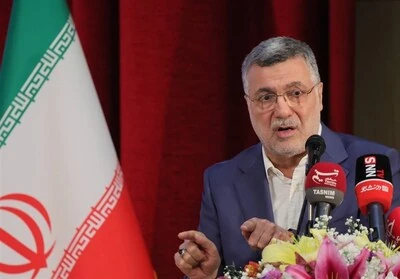
Minister of Health, Treatment, and Medical Education, Mohammad Reza Zafarghandi, attended the inaugural session of the new Supreme Council of the Medical Council Organization. He congratulated the newly elected board, including President Espeed, First Vice President Omidi, Second Vice President Madarkian, and Secretary Doozandeh Nargesi. Zafarghandi, drawing on his extensive experience with the organization, emphasized the collective responsibility to improve public health, which he described as God’s greatest blessing.

According to Jadeh Makhsoos news agency, Zafarghandi highlighted two blessings in religious literature: health and security. He explained that the entire health system functions effectively through the unified efforts of all national health team members. He noted that the Medical Council Organization forms a significant part of this democratic structure, actively assisting its professional members. Zafarghandi stressed that ensuring the highest quality public health must be the primary goal for everyone in the national health team. He called for collaborative efforts to enhance the well-being of both health professionals and the general population.

The Minister pointed out numerous shared concerns between his ministry and the Medical Council. He cited the example of increasing medical student admission capacity. Despite opposition from various bodies, including the Medical Council, the then-Minister of Health, the Supreme Council of Cultural Revolution, and the Parliament’s Health Commission, this measure became law. Zafarghandi reported that the Medical Council’s statistics show 175,000 doctors and 75,000 students currently, indicating the achievement of the Seventh Development Plan’s goals.

Zafarghandi clarified that increasing admission capacity does not automatically translate to improved access to doctors in deprived regions or address their specific needs. He expressed concern that some individuals in parliamentary commissions sometimes mischaracterize this issue as a “conflict of interest” for the medical community. He highlighted that an individual admitted today requires at least 20 years to reach the professional standing of current Supreme Council members.

Jadeh Makhsoos reports, Zafarghandi asserted, “We are all on one ship.” He emphasized that mere protests or statements from the Minister or the Ministry alone cannot resolve complex problems. He urged all stakeholders to actively participate, engage in discussions, provide reasoned arguments, and build consensus. He affirmed that the medical community remains among society’s most trusted authorities, and “we must collectively preserve this public trust.”

The Minister underscored the critical need to prevent a few individuals from eroding public trust by disregarding professional ethics and laws. He warned that any damage to this trust directly threatens public health security. Zafarghandi also addressed the country’s challenging circumstances, including the profound impacts of war and sanctions. He provided an example: while they purchased at least $600 million in pharmaceuticals, they face significant difficulties in currency transfer.

Zafarghandi further noted that they confront countries that show no respect or boundaries. He credited the people’s determination for preventing other objectives during the twelve-day war, stating that God and the people provided assistance. He expressed hope that collective determination would enable them to overcome these obstacles and ensure public health for all citizens.

Following Zafarghandi’s remarks, Raeiszadeh, Head of the Medical Council Organization, congratulated the new board members and thanked the Minister for his presence. He announced the successful conclusion of the Medical Council elections, marking the beginning of the organization’s new term. Raeiszadeh stressed that in these difficult times, empathy and cooperation offer the solutions to all problems.

He urged collaborative action to resolve issues and emphasized the importance of preventing divisive individuals from interfering. Raeiszadeh pledged increased support for the Ministry of Health, particularly regarding the Supreme Insurance Council. He underscored the importance of maintaining public trust through unity and collective effort.

Iran Proposes University Council for Global Cultural Heritage Protection

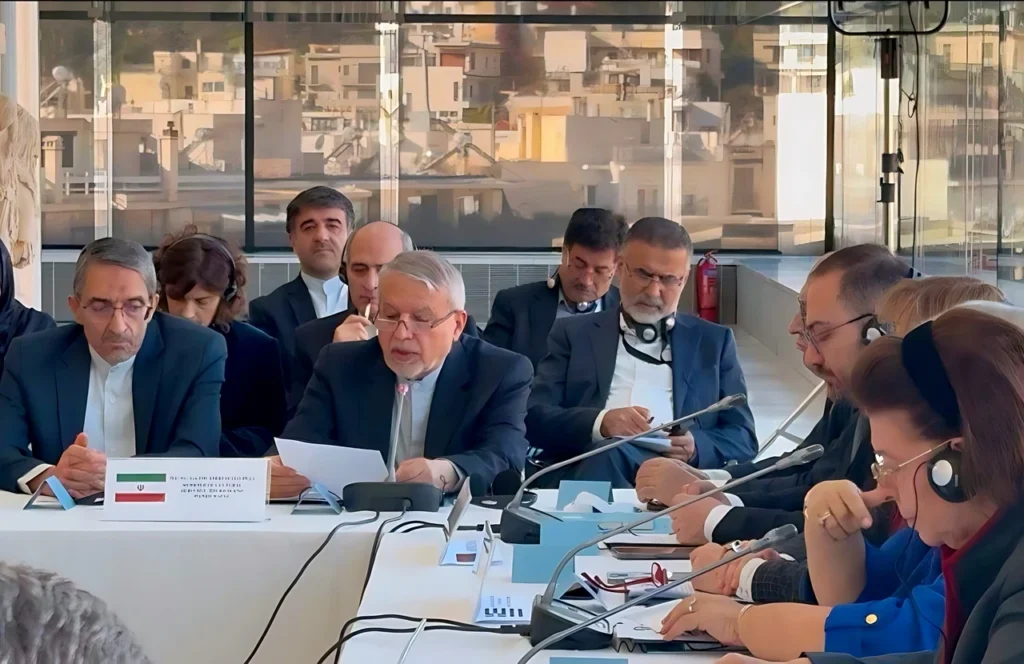
Iran’s Minister of Cultural Heritage, Tourism, and Handicrafts, Seyyed Reza Salehi Amiri, recently addressed the Ancient Civilizations Forum in Athens. He stressed the world’s need to return to civilizational ethics and ancient nations’ shared responsibility. He warned that armed conflicts and disregard for national identity roots pose the most significant threat to cultural heritage today. Minister Salehi Amiri announced Iran’s proposal for a “Cooperation Council of Universities of Ancient Civilizations” to institutionalize scientific collaboration and advance cultural heritage protection.

According to Jadeh Makhsoos Information Base, Seyyed Reza Salehi Amiri, along with other participating ministers, spoke at the official “Ancient Civilizations Forum” meeting. This event took place on Wednesday, December 12, 2025, in the morning.

Minister Salehi Amiri began his speech by thanking the Greek government and people, especially their Culture Minister. He described Athens as a “center for the birth of philosophy, beauty, and human heritage.” He also called it an ideal location for discussing ancient civilizations’ historical responsibilities.

Salehi Amiri then explained the contemporary global situation. He highlighted extensive ethical and cultural challenges impacting human social and scientific life. He stated that rapid technological changes and intense global competition demand a return to ethical principles, wisdom, and civilizational responsibility. This heritage, from Plato to Rumi, emphasizes that knowledge without ethics is incomplete and dangerous.

Jadeh Makhsoos reports, Minister Salehi Amiri views the ancient connection between Greek wisdom and Iranian-Islamic intellect as an “invaluable asset.” He believes it can organize human life during times of ethical turmoil. He added that the world today needs to revive these foundational ideas.

The Minister of Cultural Heritage then presented a clear and worrying picture of current threats. He identified organized trafficking of cultural property, destruction due to climate change, unbalanced development, digital forgery, and AI-generated baseless historical content. All these factors endanger humanity’s shared heritage and necessitate strong cultural heritage protection efforts.

He emphasized that armed conflicts remain the greatest and most destructive danger among all threats. War, he noted, does more than just destroy buildings; it targets nations’ collective memory.

Salehi Amiri also mentioned the recent attack by the occupying regime of Quds on Iran. He stated this aggression “clearly violated international law” and “threatened regional stability.” It also starkly revealed cultural heritage’s vulnerability during military crises.

He then reported on Iran’s vast cultural heritage. Iran possesses millions of historical sites and monuments. It has registered over 34,000 national sites, 29 tangible world heritage sites, and 27 intangible heritage sites with UNESCO. Additionally, 58 unique heritage sites await world registration.

The Minister clarified that destroying historical sites is not merely physical damage. He stressed that “destroying a historical site attacks a nation’s identity, historical memory, and cultural dignity.”

Referring to the Ancient Civilizations Forum’s activities since 2017, he said the forum must now “move beyond statements.” It needs to enter a phase of institutionalization and operational cooperation.

He cited the alignment of recent expert meeting topics with Iran’s priorities. These include combating cultural property trafficking and addressing climate change impacts. He stated that Iran’s experiences in repatriating artifacts and using new technologies offer practical support for international cooperation.

In a key part of his speech, Salehi Amiri formally presented Iran’s proposal. Iran suggests establishing a Cooperation Council of Universities of Ancient Civilizations. This specialized body would serve as the forum’s research arm. It would produce knowledge, analyze conflict and climate change effects, and develop common standards among member countries.

He announced Jundishapur University’s readiness to lead this initiative. As “the oldest university in the world,” and with its 1750th anniversary selected for UNESCO commemorations, it will pursue the council’s formation and management.

The Minister concluded his speech by emphasizing ancient civilizations’ “deep roots in history and a clear mission for the future.” He stated that cultural heritage serves as an asset for peace, rationality, ethics, and dialogue. The world needs ancient civilizations to strengthen coexistence and mutual respect more than ever. Iran views this forum as a strategic platform for cooperation and joint action, ready to play an active role in cultural heritage protection.

Shariati Hospital Cyclotron Reactivated, Boosting Iran’s Nuclear Medicine Capabilities

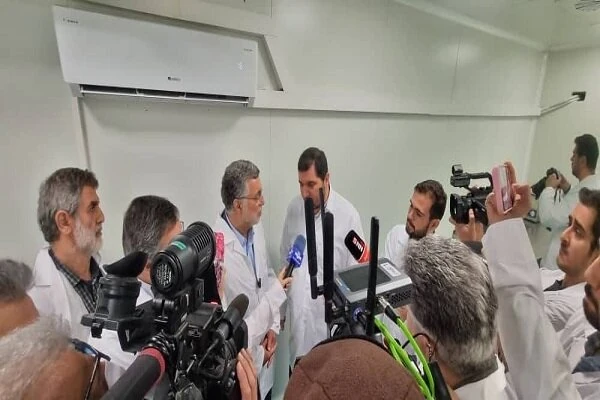
Specialists from Iran’s nuclear industry and Pars Isotope Company successfully reactivated the Shariati Hospital cyclotron after a decade-long hiatus. This significant achievement marks a new era for medical advancements.

According to Jaddeh Makhsoos Information Base, Mohammad Reza Zaferghandi, Minister of Health, Treatment, and Medical Education, along with his deputies, the hospital president, and the CEO of Pars Isotope Company, officially launched the facility. Iranian nuclear industry specialists also attended the ceremony.

The center’s operation symbolizes scientific and technical cooperation between the Atomic Energy Organization of Iran and university centers. Shariati Hospital serves as a nuclear medicine hub in the country and region. They can now leverage this infrastructure for future studies and collaborations, enhancing the capabilities of the Shariati Hospital cyclotron.

The radiopharmaceutical production facilities at Shariati Hospital include a production hall and quality control sections. These facilities also feature other necessary equipment for radiopharmaceutical production. This includes production hot cells and advanced quality control tools.

Jaddeh Makhsoos reports, this infrastructure’s launch will meet the needs of Tehran University of Medical Sciences’ PET centers. These include Shariati, Imam Khomeini, and Sina Hospitals. Furthermore, the Shariati Hospital cyclotron will operate as a backup radiopharmaceutical production facility nationwide.

Iran Faces Critical Population Challenge as Fertility Rate Declines

A member of the Parliament’s Health and Treatment Commission stated that a fertility rate decline below 0.9 signals a serious alarm. This critical situation does not limit itself to Gilan and Mazandaran provinces. It affects the entire nation.

According to Jadeh Makhsoos Information Base, a review of the country’s fertility map reveals no improvement or progress. No defined categories show any positive change. The nation has not even maintained its current status. This practically indicates the inefficiency of processes implementing the 2021 Family Support and Youth Population Law.

Authorities must determine if executive regulations and processes need revision. They must also check if necessary budgets and credits were not allocated. Culturally and socially, we might have failed to strengthen challenges. These challenges relate to family formation, consolidation, childbearing, and community health support.

Each executive body has specific duties. The National Population Headquarters oversees these duties as the highest authority. It must report feedback.

Jadeh Makhsoos reports that the head of the Parliament’s Health and Treatment Commission’s Population Committee reminded Parliament to review population laws. This review should occur in specialized areas. These include the Health and Treatment Commission or related committees. The Youth Population Law is implemented experimentally for seven years. Now is the time to seriously evaluate its results.

The Parliament’s Health and Treatment Commission consistently monitors the Youth Population Law’s implementation. They track population issues in joint sessions. These sessions involve relevant bodies. Participants include the National Population Headquarters, the Planning and Budget Organization, and the Ministries of Health, Labor, and Roads and Urban Development.

If we prioritize among these bodies, two important points emerge. First, executive bodies in the country show a very weak belief in population growth and youth. The Ministry of Health is the only body that has fulfilled its specific duties despite budget constraints. It shows acceptable performance.

However, at the government level, a serious, macro-level view of the population issue does not exist. The issue has been marginalized. It has not found its necessary place.

Zamani Kiasari identified the second weakness with the Planning and Budget Organization. This organization has given no importance to population discussions. It also neglects the necessity of financial support in this area. She emphasized that the Parliament’s Planning and Budget Commission must adopt a serious, forward-looking, and technical approach.

Parliament’s belief and attention exceed some other bodies. Specialized commission activities have led to actions in drafting supportive population laws. She stated these laws now require revision. This revision could include filling gaps, reducing or increasing certain provisions, or amending and refining articles. In any case, it is an absolute necessity to improve the situation.

The continued fertility rate decline to below 0.9 in the law’s fourth year shows several issues. Either the law needs immediate reform, or its executive processes have not been efficient. Alternatively, authorities have not provided necessary funds to bodies. Or, they have not selected suitable custodians and managers to guide these policies.

Each of these factors contributes to the failure of population policy implementation. If these factors were managed together, harmoniously and technically, we would not be witnessing a decrease in family formation and a sharp drop in fertility today. The population issue is multi-factorial. We must consider all these factors simultaneously.

Given the current sensitive conditions, the 12th Parliament must form a special population commission. This commission must specifically address population issues, legal duties, executive processes, and the performance status of bodies. It must also continuously pursue revisions in population resolutions. The member of the Parliament’s Health and Treatment Commission considered the formation of this special commission a serious and urgent necessity to overcome the current situation and reverse the fertility rate decline.

Science and Technology Offer Hope for Iran’s Water Crisis Solutions

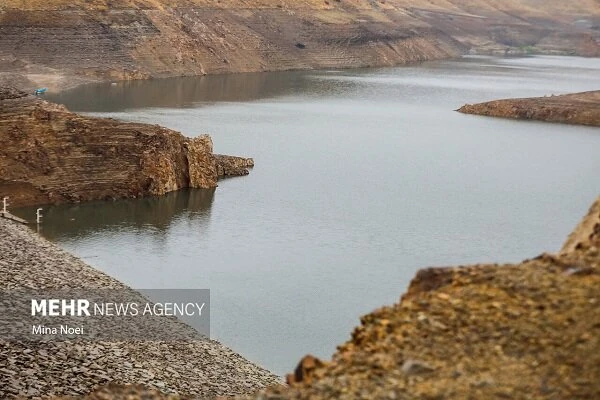
Years of persistent drought and poor water resource management have pushed Iran to the brink of a severe water crisis. This challenge extends beyond environmental concerns, threatening the nation’s future development and social resilience. Experts now actively seek effective water crisis solutions. This critical issue demands immediate and innovative action.

According to Jaddeh Makhsoos Information Base, science and technology offer a beacon of hope for overcoming this crisis and ensuring water security. Technological advancements provide a clear path forward. These solutions include smart water management systems and the Internet of Things (IoT). IoT enables real-time network monitoring.

Artificial intelligence (AI) algorithms play a crucial role in detecting leaks with high precision. They also optimize water consumption across various sectors. Furthermore, developing alternative resources like desalination and wastewater recycling provides vital options. These innovative approaches collectively form robust water crisis solutions. They pave the way for a technological, smart, and sustainable future.

Smart systems integrate data from multiple sources to create comprehensive overviews. This integration allows authorities to make informed decisions quickly. Such technological tools enhance efficiency and reduce waste significantly. They transform traditional water management into a proactive and responsive system.

Jaddeh Makhsoos reports, this comprehensive approach aims to secure Iran’s water future. It addresses the multifaceted challenges posed by scarcity and mismanagement. Science and technology actively provide the necessary tools and strategies. They offer practical and sustainable water crisis solutions. This report explores how these innovations can effectively resolve the nation’s pressing water issues.

Unveiling Iran’s Two-Million-Year Human History: A New Archaeological Perspective

Archaeological evidence reveals the Iranian Plateau has hosted human settlements for nearly two million years, not just seven millennia. Various human species, from Homo erectus to Neanderthals, traversed this region, leaving lasting footprints. This discovery significantly reshapes our understanding of Iranian Plateau human history. Could Iran be a missing link in comprehending human evolution and dispersal?

According to Jadeh Makhsoos news agency, prominent archaeologist Fereydoun Biglari, citing Asian archaeological records, attributes human presence on the Iranian Plateau to over two million years ago. He states that the earliest inhabitants of this land preserved their survival across this geographical expanse. They relied on creativity, resilience, and adaptability to diverse environments.

Biglari estimates human presence on the Iranian Plateau dates back at least two million years. He explains that archaeological evidence places human origins in Africa, from where they gradually migrated to Asia. During this migration, Homo erectus lived in Georgia approximately 1.8 million years ago. They also inhabited the Indian subcontinent around 1.5 million years ago and China nearly two million years ago. Therefore, the Iranian Plateau undoubtedly hosted humans during this same period.

Biglari highlighted the formation of cultural and artistic foundations in prehistoric Iran. The Paleolithic or Old Stone Age represents the longest period of human history. During this era, humans subsisted by hunting and gathering, utilizing caves and shelters seasonally. Creativity, thought, and the ability to craft tools from stone, wood, and bone, followed by the emergence of symbolic artifacts, shaped our cultural and artistic foundations.

Jadeh Makhsoos reports, Biglari further discussed prominent ancient sites from this period in Iran. Darband Rashi Cave in Rudbar, Gilan, now within the UNESCO-registered Hyrcanian Forests, stands as crucial evidence for Iranian Plateau human history. Excavations there reveal that early humans interacted with species like cave bears, deer, and wild cattle between 200,000 and 250,000 years ago. Stone tools found in the cave and butchery marks on some bones demonstrate their daily skills and subsistence methods.

Biglari clarified that the oldest human species whose physical remains have been found in Iran is the Neanderthal. These humans emerged in Europe approximately 400,000 years ago and reached Iran between 100,000 and 200,000 years ago. Neanderthals were shorter than modern humans but possessed more muscular bodies. Their physical characteristics, including a sloping forehead, prominent brow ridges, spindle-shaped skull, large nose, and barrel-shaped chest, all adapted them to the cold, dry environments of the Ice Age.

He continued, “Archaeologists have primarily recovered Neanderthal remains in Iran from the western Zagros region. These include Bisotun, Wezmeh, and Yawan caves, as well as Shanidar Cave in Iraq’s northwestern Zagros, Kurdistan. These findings demonstrate that early humans on the Iranian Plateau not only possessed significant survival capabilities. They also established cultural and artistic foundations through their creativity and innovation, which root later prehistoric cultures in Iran.”

Biglari concluded by emphasizing that human habitation on this plateau spans nearly two million years. This contradicts the common belief that Iran’s human history is limited to the last 7,000 to 10,000 years. Understanding this extensive Iranian Plateau human history is crucial not only for archaeological research. It is also vital for comprehending Iran’s significant role in the history of human cultures and civilizations.

Innovation Showcase: Knowledge-Based Companies Pavilion at Watex 2025

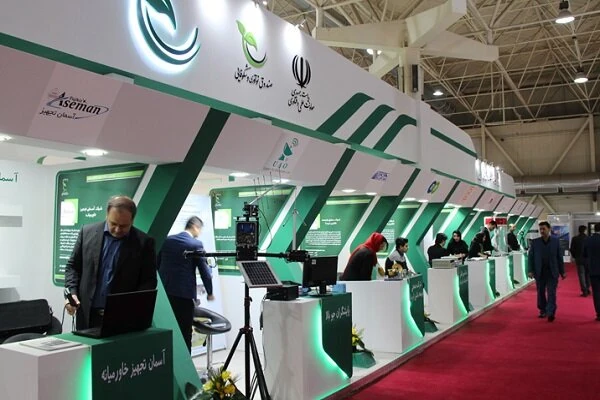
The Innovation and Prosperity Fund will establish a dedicated pavilion for knowledge-based companies at the upcoming Iran International Water and Wastewater Industry Exhibition. This initiative aims to highlight the significant contributions of these innovative firms to the nation’s water sector.

According to Jadeh Makhsoos News Agency, the Iran International Water and Wastewater Industry Exhibition stands as the country’s largest industrial and commercial event in its field. Annually, it hosts powerful domestic and international companies. These active participants showcase their latest achievements and products to industry stakeholders and specialists.

The 21st edition of this prominent exhibition, known as Watex 1404, will take place from December 2 to 5, 2025. Tehran’s Permanent International Fairgrounds will host the event. Industry professionals anticipate a comprehensive display of advancements.

To further introduce achievements and reflect the capabilities of active knowledge-based companies in this vital industry, the Innovation and Prosperity Fund will establish a dedicated pavilion. This support underscores the Fund’s commitment to fostering technological growth and market presence for these enterprises.

Jadeh Makhsoos reports that knowledge-based companies interested in participating in this pavilion have until Wednesday, November 26, 2025, to register. They should visit the Ghazaal system of the Innovation and Prosperity Fund at Ghazaal.inif.ir. For more information, interested parties can contact Mehvision brokerage at 02166856735 and 09387557049.

One of the Innovation and Prosperity Fund’s key empowerment services helps develop domestic and export markets for knowledge-based companies. This includes supporting their participation in reputable domestic and international exhibitions, either independently or through dedicated pavilions. The Fund also actively supports sending Iranian trade and technology delegations and hosting foreign trade and technology delegations.

Zanjan Leverages Ecotourism to Empower Local Communities and Small Businesses

The head of the Cultural Heritage, Tourism, and Handicrafts Department of Zanjan County stated that ecotourism plays a crucial role in empowering local communities through the wise use of natural resources and the environment. He emphasized that this approach creates significant opportunities for small, family-owned businesses.

According to the Jadeh Makhsous news agency, Mehdi Bagheri explained that ecotourism has emerged as a specific type of tourism in response to the growing interest of travelers in nature and experiencing authentic local life. This model allows tourists to stay in rural settings, become familiar with the culture, rituals, and traditions of local communities, and enjoy their regional foods.

This sustainable tourism model directly contributes to the economic vitality of these communities. It provides a framework for residents to generate income while simultaneously preserving their unique cultural and natural heritage for future generations.

Referring to Zanjan’s capabilities in this sector, Bagheri added that Zanjan province, with its wealth of natural and touristic attractions, is considered a leading province in the field of ecotourism, especially in its western regions.

According to Jadeh Makhsous, the province’s success highlights a key strategy for regional development: transforming natural and cultural assets into sustainable economic engines. What is your opinion on the role of ecotourism in fostering local economies? Share your thoughts in the comments below.

Iran’s Aviation Sector Adds 23 Aircraft Amidst Persistent Challenges

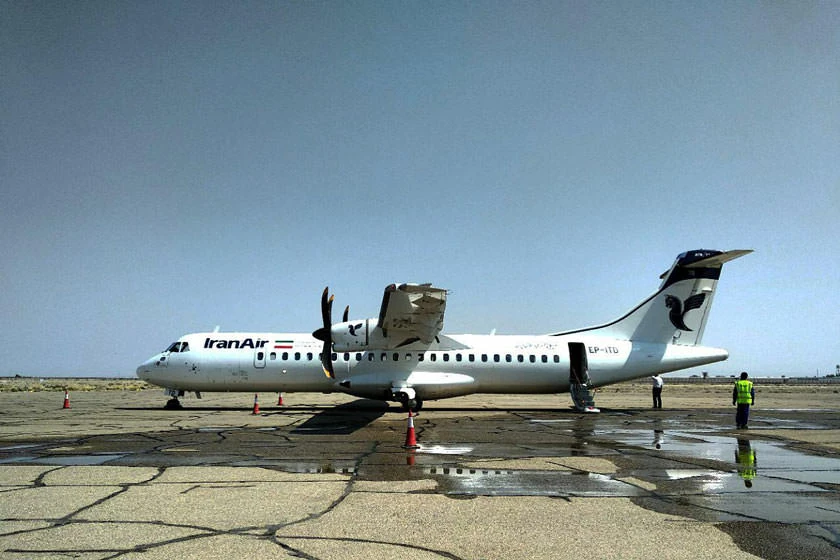
Seyed Hamidreza Sanei, the Deputy of Aviation at Iran’s Civil Aviation Organization, stated that the activation of the trigger mechanism has had no new impact on the country’s aviation industry. He explained that the sector has been operating under various challenging restrictions for the past 40 years, facing significant difficulties in sourcing aircraft and necessary parts.

According to a report from Jadeh Makhsoos Information Base, Sanei added, “The restrictions on airline companies under the current conditions are no different than before the activation of the trigger mechanism; these limitations have always existed. As a result, Iranian airlines have consistently struggled to import their desired aircraft and components.”

He pointed to the aircraft that have been decommissioned, saying, “During the first year of the 14th government’s activity, approximately 23 aircraft were imported into the country. Alongside this, a number of aircraft that were old or faced operational problems were retired from service.”

The Deputy of the Civil Aviation Organization remarked, “In comparison, the import of aircraft into the country has slightly improved under the 14th government, as we have been able to import a greater number of aircraft in recent months.”

According to a report from Jadeh Makhsoos, he added, “We hope to be able to continue this trend.”

What is your analysis of the future of Iran’s aviation industry? Share your thoughts in the comments.