




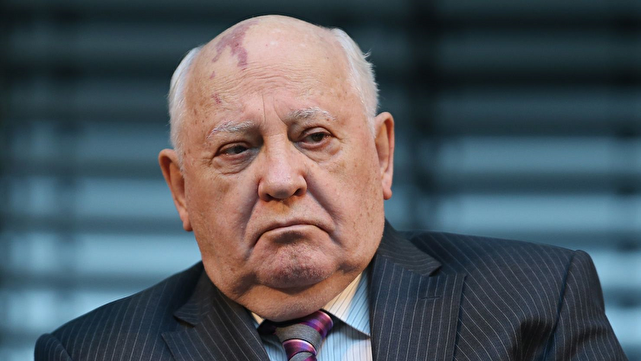
Mikhail Gorbachev, a pivotal figure in the end of the Cold War and the dissolution of the Soviet Union, holds a significant place in world history. However, his final years were defined by a private battle with debilitating chronic illnesses that gradually removed him from the public eye.
According to a report from the Jadeh Makhsous news website, the official statement from Moscow’s Central Clinical Hospital confirmed that Gorbachev passed away on August 30, 2022, following a ‘prolonged illness.’ Sources from both Russia and the West have identified chronic kidney failure as the primary cause of death.
Chronic Kidney Disease (CKD) is a condition where the kidneys progressively lose their function, impairing the body’s ability to filter waste and regulate fluids. This often leads to symptoms such as fatigue, swelling, high blood pressure, and electrolyte imbalances. Gorbachev was also diagnosed with type 2 diabetes, a condition that can significantly damage the kidneys and accelerate the progression of renal failure.
In his last years, Gorbachev’s public appearances became rare. The few images released showed significant weight loss, muscle weakness, and his reliance on a wheelchair. He was reportedly under constant medical supervision and had been hospitalized multiple times.
According to Jadeh Makhsous, the treatment for such conditions is complex. Managing kidney failure involves controlling blood pressure, restricting salt and protein intake, and, in advanced stages, regular dialysis. For an elderly patient like Gorbachev, dialysis was likely administered for supportive care. Concurrently, managing diabetes requires strict blood sugar monitoring, a specialized diet, and medication.
Despite his severe physical decline, Gorbachev remained mentally sharp. He continued to engage in intellectual discourse, giving interviews to international media outlets like the BBC and TIME, where he commented on global risks and the future of democracy. This demonstrated that while his physical presence was limited, his intellectual engagement with the world never ceased.
What are your thoughts on the impact of health on leadership? Share your perspective in the comments below.