
Public Health

Most Viewed

Minister Zafarghandi Urges Preservation of Public Trust in Medical Community

Chickenpox in Iran: An Expert’s Perspective on Endemic Spread and Vaccination Strategy

Razi Institute’s New Heptavalent Antivenom Saves Four from Previously Fatal Snakebites

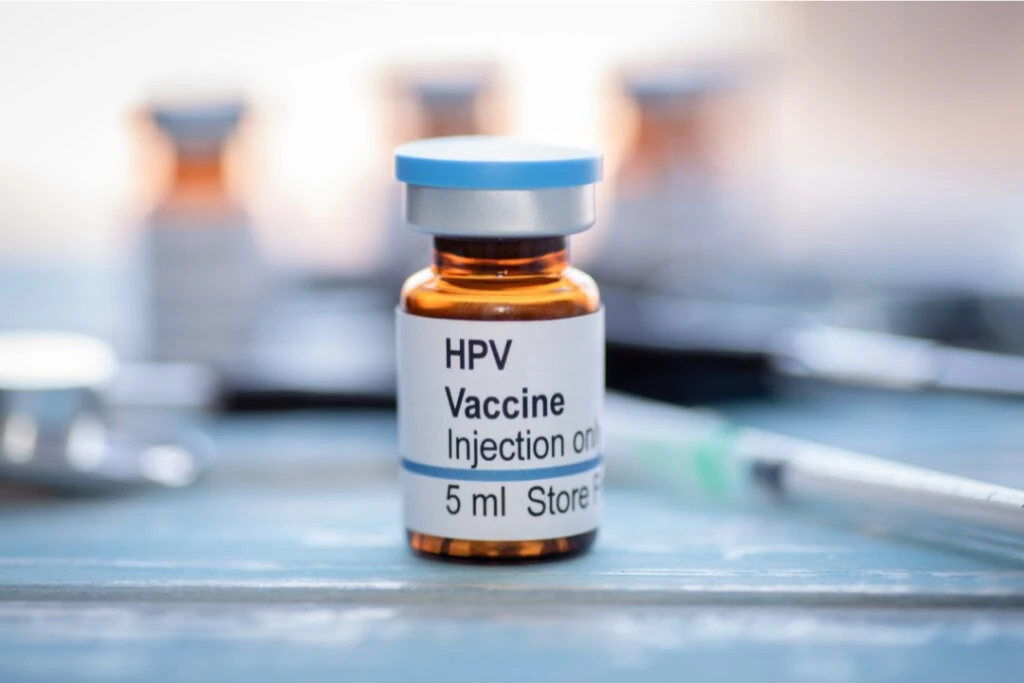
Iran Declines to Add HPV Vaccine to National Schedule Amidst Global Adoption

Minister Zafarghandi Urges Preservation of Public Trust in Medical Community

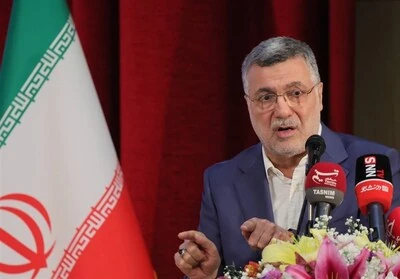
Minister of Health, Treatment, and Medical Education, Mohammad Reza Zafarghandi, attended the inaugural session of the new Supreme Council of the Medical Council Organization. He congratulated the newly elected board, including President Espeed, First Vice President Omidi, Second Vice President Madarkian, and Secretary Doozandeh Nargesi. Zafarghandi, drawing on his extensive experience with the organization, emphasized the collective responsibility to improve public health, which he described as God’s greatest blessing.

According to Jadeh Makhsoos news agency, Zafarghandi highlighted two blessings in religious literature: health and security. He explained that the entire health system functions effectively through the unified efforts of all national health team members. He noted that the Medical Council Organization forms a significant part of this democratic structure, actively assisting its professional members. Zafarghandi stressed that ensuring the highest quality public health must be the primary goal for everyone in the national health team. He called for collaborative efforts to enhance the well-being of both health professionals and the general population.

The Minister pointed out numerous shared concerns between his ministry and the Medical Council. He cited the example of increasing medical student admission capacity. Despite opposition from various bodies, including the Medical Council, the then-Minister of Health, the Supreme Council of Cultural Revolution, and the Parliament’s Health Commission, this measure became law. Zafarghandi reported that the Medical Council’s statistics show 175,000 doctors and 75,000 students currently, indicating the achievement of the Seventh Development Plan’s goals.

Zafarghandi clarified that increasing admission capacity does not automatically translate to improved access to doctors in deprived regions or address their specific needs. He expressed concern that some individuals in parliamentary commissions sometimes mischaracterize this issue as a “conflict of interest” for the medical community. He highlighted that an individual admitted today requires at least 20 years to reach the professional standing of current Supreme Council members.

Jadeh Makhsoos reports, Zafarghandi asserted, “We are all on one ship.” He emphasized that mere protests or statements from the Minister or the Ministry alone cannot resolve complex problems. He urged all stakeholders to actively participate, engage in discussions, provide reasoned arguments, and build consensus. He affirmed that the medical community remains among society’s most trusted authorities, and “we must collectively preserve this public trust.”

The Minister underscored the critical need to prevent a few individuals from eroding public trust by disregarding professional ethics and laws. He warned that any damage to this trust directly threatens public health security. Zafarghandi also addressed the country’s challenging circumstances, including the profound impacts of war and sanctions. He provided an example: while they purchased at least $600 million in pharmaceuticals, they face significant difficulties in currency transfer.

Zafarghandi further noted that they confront countries that show no respect or boundaries. He credited the people’s determination for preventing other objectives during the twelve-day war, stating that God and the people provided assistance. He expressed hope that collective determination would enable them to overcome these obstacles and ensure public health for all citizens.

Following Zafarghandi’s remarks, Raeiszadeh, Head of the Medical Council Organization, congratulated the new board members and thanked the Minister for his presence. He announced the successful conclusion of the Medical Council elections, marking the beginning of the organization’s new term. Raeiszadeh stressed that in these difficult times, empathy and cooperation offer the solutions to all problems.

He urged collaborative action to resolve issues and emphasized the importance of preventing divisive individuals from interfering. Raeiszadeh pledged increased support for the Ministry of Health, particularly regarding the Supreme Insurance Council. He underscored the importance of maintaining public trust through unity and collective effort.
Chickenpox in Iran: An Expert’s Perspective on Endemic Spread and Vaccination Strategy

Dr. Habibzadeh has provided an analysis on the prevalence of chickenpox in Iran, describing it as an endemic disease. Data indicates a gradual infection rate, with approximately 80% of the population contracting the virus by the age of 40.

According to a report from Jadeh Makhsous news base, certain demographics are at higher risk for severe complications from chickenpox. These groups include pregnant women, premature infants, children under one year of age, and individuals over 15. For these populations, vaccination is highly beneficial.

Dr. Habibzadeh noted that many countries, including some in Southeast Asia, Canada, and the United States, integrated the chickenpox vaccine into their national immunization programs around the year 2000. Subsequent monitoring has shown significant positive impacts, such as a reduction in shingles cases and overall mortality, demonstrating the vaccine’s effectiveness in reducing the disease’s burden.

The long-term risks of chickenpox should not be underestimated. The virus can reactivate later in life, particularly in individuals over 50 or those with compromised immune systems, manifesting as shingles. The complications arising from shingles are often more severe and debilitating than the initial chickenpox infection, potentially impacting quality of life.

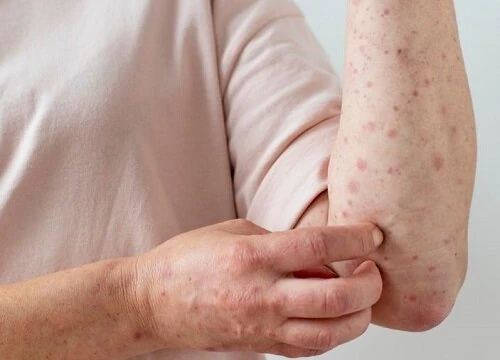
According to Jadeh Makhsous, while chickenpox typically presents as a mild rash in young children, it can cause far more severe outcomes in susceptible individuals. In high-risk groups, the virus can affect internal organs, lead to secondary bacterial skin infections, and in some cases, be fatal.

When asked about including the vaccine in the national program, Dr. Habibzadeh stated that there are currently no plans to do so, pending a thorough cost-benefit analysis. However, he strongly recommends the vaccine for women planning to conceive and for adolescents who have not yet contracted the disease. What are your thoughts on this public health strategy? Share your perspective in the comments.

Razi Institute’s New Heptavalent Antivenom Saves Four from Previously Fatal Snakebites

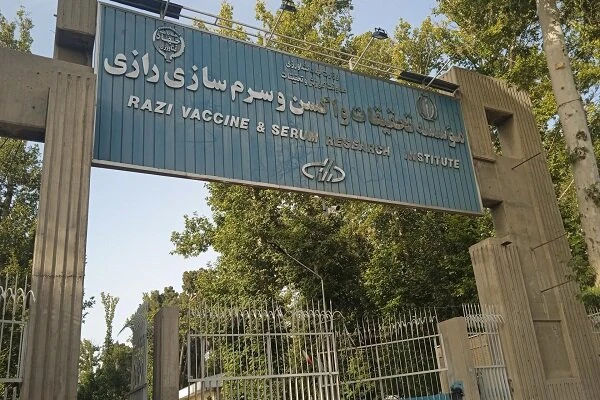
The Razi Vaccine and Serum Research Institute’s new seven-valent antivenom has successfully saved the lives of four individuals in Iran’s Sistan and Baluchestan province.

According to a report from the Jadeh Makhsous news base, Ali Eshaghi, the head of the Razi Institute, announced the breakthrough. He stated, “Following tragic reports of fatalities due to the ‘Siah-mar’ (Black Snake) bite in Sistan and Baluchestan province, the Razi Institute dispatched experts. Through the continuous efforts of our researchers and scientists, and after complex scientific and technical processes, we produced a specific antivenom against this dangerous species, adding it to our previous antivenoms to design and produce a heptavalent (seven-valent) formula.”

He added that in recent days, four people from the Ashar, Pir, and Gurok regions who had been bitten by the Siah-mar were treated at Hatam Hospital in Iranshahr. The administration of the new heptavalent antivenom saved them from what would have been certain death.

“Unfortunately, in the past, all victims of the Siah-mar bite lost their lives. This is the first recorded case of successful treatment for this type of snakebite in the country,” Eshaghi clarified.

According to Jadeh Makhsous, the head of the Razi Institute elaborated on the antivenom’s development: “The creation of the heptavalent antivenom against Iran’s most venomous snakes, including the Siah-mar, is the result of the relentless efforts of our colleagues in the venomous animals department. It is a major step towards enhancing community health and safety, as they were able to produce a specific antivenom with high, 100% efficacy in a short period.”

The antivenom has been delivered by the Razi Institute to the Ministry of Health for distribution to medical centers in the province, aiming to protect citizens from this deadly threat.

Eshaghi emphasized, “Our research in the venomous animals department at the Razi Institute is ongoing, and we have extensive studies underway on snakebites and scorpion stings.”

With approximately 80,000 venomous bites per year, Iran ranks second globally in such incidents. The high-quality antivenoms from the Razi Institute have been crucial in reducing the annual mortality rate to fewer than 10 deaths, with most remaining fatalities attributed to delays in reaching medical care.

What is your perspective on this significant advancement in public health technology? Share your thoughts in the comments below.

Iran Declines to Add HPV Vaccine to National Schedule Amidst Global Adoption

The HPV (Human Papillomavirus) vaccine, a critical tool in preventing cervical cancer, has become a cornerstone of public health policies worldwide. The World Health Organization (WHO) recommends its inclusion in national vaccination programs, a call answered by 147 countries by the end of 2024, including developed nations like the United States, Canada, and the UK, as well as many developing countries.

According to a report by Jadeh Makhsoos news outlet, significant progress is being made globally. In 57 low-income countries supported by Gavi (The Global Alliance for Vaccines and Immunization), vaccine coverage increased from 4% in 2019 to 16% in 2023. Since 2014, these programs have fully immunized over 27.3 million girls, projected to prevent more than 605,000 future deaths from cervical cancer.

This trend extends to numerous Muslim-majority countries, which have officially integrated the HPV vaccine into their national schedules, overcoming cultural and social barriers to prioritize public health. Turkey has also announced plans to offer the vaccine for free starting in late 2025.

In a notable divergence from this global consensus, Iran’s Deputy Minister of Health has stated that the HPV vaccine will not be added to the country’s routine vaccination schedule. This decision comes despite the WHO’s strong recommendations for its use in preventing HPV-related cancers.

According to Jadeh Makhsoos, Dr. Ali Motlagh, a radio-oncologist and faculty member at Shahid Beheshti University of Medical Sciences, commented on the situation, stating: “What we see today from the prevalence of HPV-related cancers is based on the behavior of Iranian society over the past 15 years, and we know that these behaviors are different now. Therefore, the event that will reflect the effects of HPV prevalence in current Iranian society will manifest itself in 15 years, and we must plan for it now. Furthermore, focusing solely on cervical cancer when assessing the disease burden from this virus is a miscalculation, as HPV is linked to at least six types of cancer and benign diseases like genital warts.”

Dr. Motlagh suggested that until a national program is established, efforts should focus on strengthening HPV screening and public awareness about high-risk behaviors. He also proposed a single-dose strategy for individuals under 20 to reduce costs and expand vaccination possibilities. What is your opinion on this public health decision? Share your thoughts in the comments below.