

Tourism

Most Viewed

Kish Island’s Dynamic Transformation: A Multidimensional Redefinition

Strategic Focus on Heritage Tourism to Drive Kurdistan’s Economic Growth

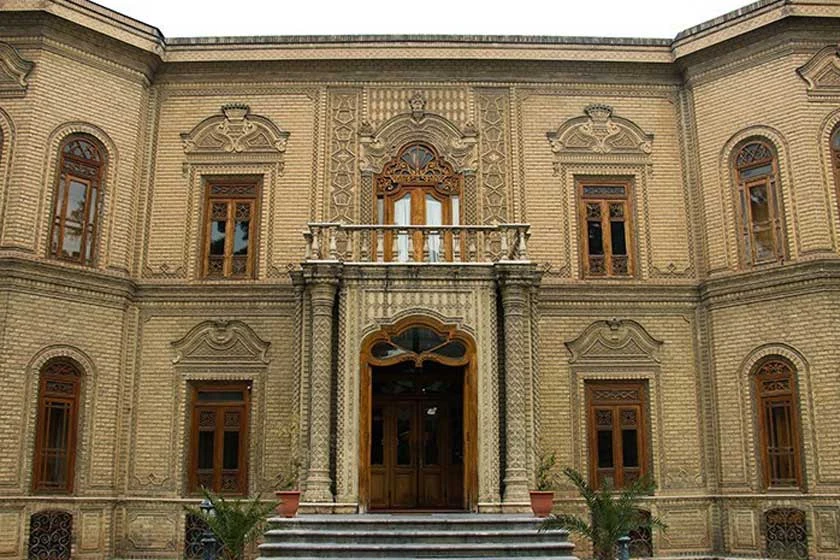
Tehran’s Historic Glassware and Ceramic Museum Resumes Operations

New Archaeological Research Begins at Tal-e Rubahi Kenareh to Define Ancient Boundaries

Kish Island’s Dynamic Transformation: A Multidimensional Redefinition

Kish Free Zone Organization recently banned certain vehicles, including Pride, Paykan, vans, buses, and yellow taxis, from entering the island. The organization implemented this measure to manage traffic, reduce vehicle load, and improve the island’s quality of life, reflecting ongoing Kish developments.

According to Jadeh Makhsoos news agency, Kish Island has experienced eventful and diverse days over the past two weeks. It saw a range of activities. These included economic and exhibition events, cultural and archaeological shifts, and urban management decisions.

Economically, Kish hosted the 12th International Exchange, Bank, and Insurance Exhibition (KishINVEX 2025). It also held the 14th Iran Marine Industries and Maritime Exhibition. These events transformed Kish into a hub for economic and maritime professionals for several days.

Domestic and international companies participated in these events. Their focus on investment, maritime trade, and international cooperation highlighted Kish’s continued role. The island remains one of the country’s most important economic and financial hubs.

Jadeh Makhsoos reports that alongside economic developments, culture and tourism also experienced dynamic periods. Kish published the call for entries for its Wave Short Film Festival. The island also hosted its 6th Book Fair, featuring hundreds of publishers. Efforts to develop experience-based tourism via handicrafts further enhanced Kish’s cultural standing. These initiatives show Kish aims to evolve from a recreational destination into an active cultural center, part of broader Kish developments.

In cultural heritage, a new season of excavations in the ancient city of Harireh led to the discovery of imported Chinese pottery. These findings re-emphasize Kish’s historical role in maritime trade. They also highlight its ancient ties with East Asia.

Official reports also indicate a significant increase in air traffic at Kish Airport in Aban 1404 compared to the previous year. This includes both flights and passenger numbers. This surge suggests tourism and travel to Kish have revived.

Separately, the Kish Free Zone Organization issued a new directive. It prohibited specific vehicles like Pride, Paykan, vans, buses, and yellow taxis from entering the island. This decision aims to manage traffic, alleviate congestion, and enhance the quality of life for residents.

These combined developments show Kish is undergoing a “multidimensional redefinition.” It strengthens its economy and trade while developing culture, quality tourism, and historical identity. Simultaneously, Kish strives for urban organization and infrastructure improvement. This combination presents a new vision for the island’s future. It integrates economy, culture, and heritage, driven by these Kish developments.
Strategic Focus on Heritage Tourism to Drive Kurdistan’s Economic Growth

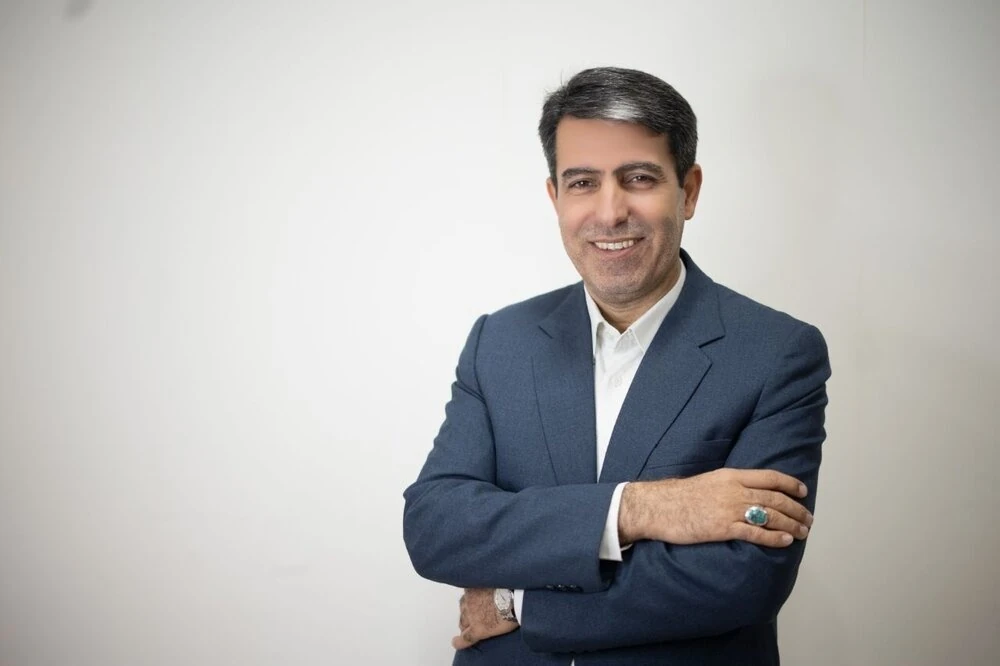
Rasoul Sheikhizadeh, a representative for Qorveh and Dehgolan in the Iranian Parliament, has emphasized that the cultural heritage and tourism capacities of Kurdistan province can serve as the primary engine for regional development. He described the special attention from the Minister of Cultural Heritage to the region as a historic opportunity to activate its untapped potential.

According to a report by Jadeh Makhsous news agency, Sheikhizadeh stated, “These capacities are a valuable treasure for the province and the country, which can become the driving force for sustainable development.” He stressed that officials in this sector must act in complete coordination with the ministry’s macro policies, focusing on development, foresight, and national plans.

He highlighted the strategic vision of the Minister of Cultural Heritage, Tourism, and Handicrafts, calling it a “historic and unrepeatable opportunity” to realize the province’s latent potential. This focus, he believes, could grant Kurdistan a distinguished position on the tourism map of Iran and the broader region.

Sheikhizadeh also underscored the need for institutional cohesion and national synergy, noting that protecting cultural heritage and developing tourism is not feasible without cooperation among executive bodies, parliamentary members, academic experts, and public groups. Such collaboration could stimulate the tourism industry, lead to extensive job creation, improve social welfare, and solidify Kurdistan’s cultural identity.

According to Jadeh Makhsous, the representative concluded by remarking that progress towards sustainable development requires a collective resolve, a strategic perspective, and decision-making grounded in local realities. He asserted that only through this shared will can the long-term objectives for cultural heritage and tourism be achieved, transforming Kurdistan into a national model for leveraging cultural and natural assets.

What role do you believe technology can play in unlocking the tourism potential of historic regions? Share your thoughts in the comments.

Tehran’s Historic Glassware and Ceramic Museum Resumes Operations

The Glassware and Ceramic Museum of Iran, a prominent cultural institution in Tehran, has officially announced its reopening to the public.

According to the Jadeh Makhsous news agency, the museum resumed its activities starting Wednesday, September 23rd.

The museum has also released its updated visiting hours for the second half of the year. From Sunday to Wednesday, the museum will be open from 9:00 AM to 5:00 PM. On Thursdays and Fridays, the hours are extended from 9:00 AM to 6:00 PM.

Visitors should note that the final ticket purchase must be made 45 minutes prior to the closing time. The Glassware and Ceramic Museum of Iran is located on Si-e Tir Street.

According to Jadeh Makhsous, this reopening is part of a broader initiative affecting museums, palaces, and historical sites. These venues had been temporarily closed as a protective measure for historical artifacts and structures. The decision to reopen was made following a directive from the General Directorate of Museums of the Ministry of Cultural Heritage, Tourism, and Handicrafts, in response to appeals from tour operators and tourists concerning the prolonged closures.

What are your thoughts on the reopening of cultural sites and its impact on the tourism industry? Share your perspective in the comments below.

New Archaeological Research Begins at Tal-e Rubahi Kenareh to Define Ancient Boundaries

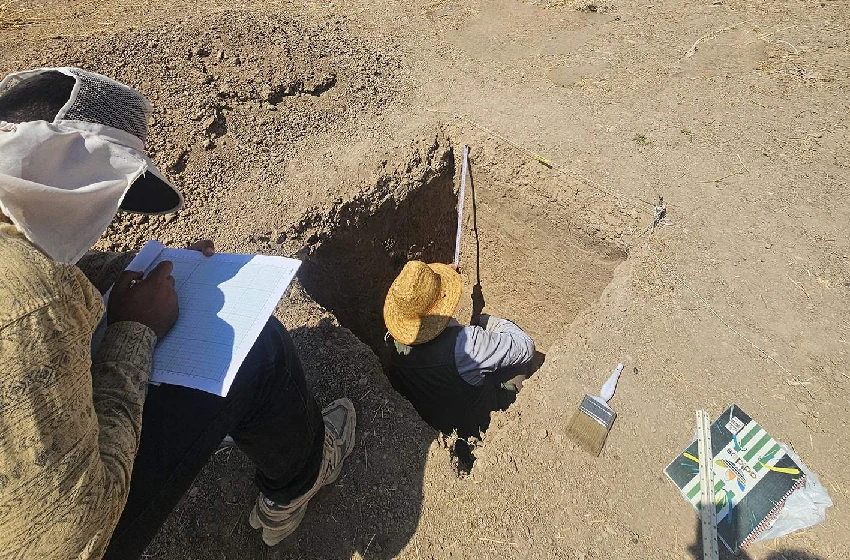
A new research project titled “Determining the Boundary and Proposing the Buffer Zone of Tal-e Rubahi Kenareh” has commenced in Marvdasht County, Fars Province. The project is being carried out with a permit from the Research Institute of Cultural Heritage and Tourism and in collaboration with the Persepolis World Heritage Site.

According to a report from the Jadeh Makhsous news website, Fazlollah Habibi, the head of the archaeological team at Tal-e Rubahi Kenareh and an expert at the Persepolis World Heritage Site, is leading the initiative. He emphasized the significance of this prehistoric archaeological site.

The prehistoric archaeology researcher stated that the primary goals of this project are to precisely define the site’s boundaries and establish a protective buffer zone. This will help in preserving the historical integrity of the area for future study and tourism.

Regarding the project’s objectives, the head of the archaeological team explained that the research aims to prevent any potential damage to the site from surrounding activities and to create a clear legal framework for its protection.

According to Jadeh Makhsous, Habibi also discussed the financial aspects, confirming that the necessary funding for this crucial research has been secured, allowing the project to proceed as planned.

The archaeologist noted that so far, the project has involved the creation of 13 test pits, each measuring one by one meter, to gather preliminary data. The expert from the Persepolis World Heritage Site added that the findings from these excavations will be crucial for understanding the extent and significance of the ancient settlement.

What are your thoughts on the importance of such projects for preserving cultural heritage? Share your opinion in the comments below.

Abadan Embarks on Strategic Revival of its Cultural and Tourism Sectors

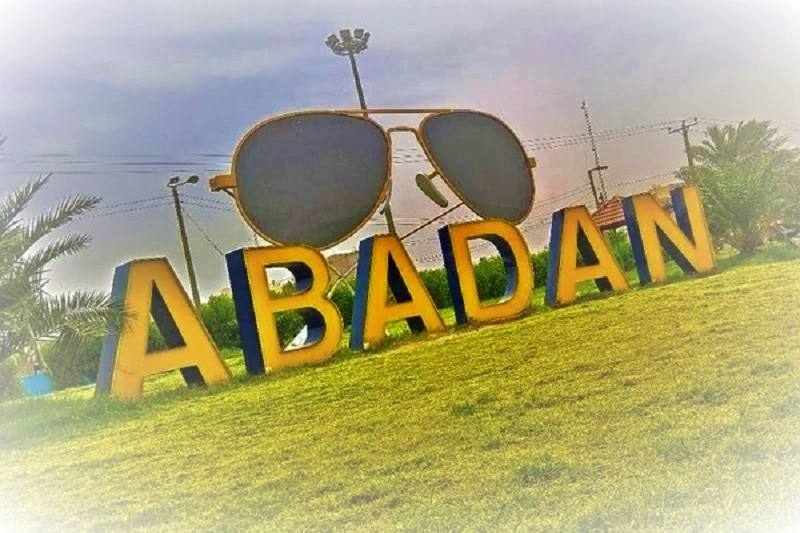
Khosrow Pirhadi, the governor of Abadan, emphasized the necessity of reviving the cultural and artistic status of the historic city, stating that Abadan, as a cradle of great artistic talents and a symbol of cultural coexistence, requires strategic attention and targeted investment in its cultural heritage and tourism sectors.

According to a report from the Jadeh Makhsous news base, Khosrow Pirhadi told a Miras-Arya reporter, “Throughout history, Abadan has been the birthplace and nurturing ground for unparalleled talents, from prominent filmmakers and renowned poets to classic and modern designers and artists. Unfortunately, in recent years, due to some managerial disorganization, a large part of these capacities was marginalized, but now, with precise planning, there is a serious determination to restore its true position.”

He pointed to recent cultural initiatives, adding, “With the cooperation of the Arvand Free Zone and its new management, substantial funds have been allocated for holding festivals, cultural programs, and local ceremonies. Fortunately, the organization’s cultural department is in full coordination with the county’s policies, and this synergy can pave the way for a fundamental transformation in Abadan’s culture and arts scene.”

Pirhadi also mentioned the resumption of the Abadan Museum’s activities as a flagship cultural project. “From the first days of my responsibility, I raised the concern of reviving the Abadan Museum. Today, with the support of the provincial Cultural Heritage department, one billion tomans have been allocated for landscaping and equipping the display cases for historical artifacts, and we hope to witness its official opening in the coming months,” he said.

According to a report from Jadeh Makhsous, the governor of Abadan described the city’s natural tourism capacities as unique, stating, “Abadan, an island city with the Arvand and Bahmanshir rivers, has the potential to become a tourism hub in the south of the country. Joint projects with the Abadan Refinery and the Free Zone, including the construction of recreational paths, urban landmarks, and environmental harmonization plans on the banks of these rivers, are underway and can be a turning point in the development of urban tourism.”

In conclusion, he emphasized Abadan’s cultural and religious richness, noting, “This city has always been a symbol of tolerance and peaceful coexistence of religions, where a mosque and a church are built side by side. This valuable feature must be revived as a cultural brand, and we are moving forward with all our might to achieve this vision.” What are your thoughts on the role of cultural heritage in urban development? Share your perspective in the comments.

Revitalizing Rural Economies: Qeshm’s Agricultural Festival Drives Tourism Growth

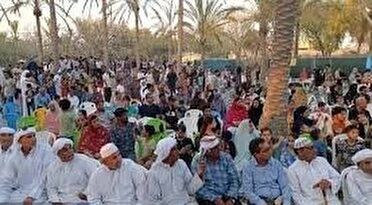
The second National Agricultural Nowruz Festival was held in the village of Direstan on Qeshm Island, attracting a significant number of locals and tourists.

According to the report of the Jadeh Makhsous news agency, Adris Ramouz, the Deputy for Cultural, Social, and Tourism Affairs of the Qeshm Free Zone Organization, stated that the national registration of the Agricultural Nowruz Festival has created a new foundation for boosting tourism and flourishing the rural economy.

Ramouz added that the presence of tourists from various parts of Iran, alongside the participation of Qeshm villagers, provides an opportunity to showcase agricultural traditions. These include palm tree pruning, land plowing, harvesting seasonal fruits, and displaying local products to the public.

He noted that this festival is a continuation of national events like the Maritime Nowruz. The primary goal is to expand such events across the island, led by village heads and residents, to foster a thriving rural tourism economy and create sustainable businesses.

According to Jadeh Makhsous, the Deputy for Cultural, Social, and Tourism Affairs of the Qeshm Free Zone added that many eco-lodges in villages such as Gurzin and Soheili are now at full capacity. Furthermore, hotels in Qeshm have recorded an occupancy rate of over 50%, indicating a significant boom in tourism on the island.

This strategic focus on cultural events appears to be yielding tangible economic benefits for the local community. What are your thoughts on using cultural festivals to drive local economic growth? Share your perspective in the comments below.