

Technology

Most Viewed

Anthropic’s AI Vending Machine Sparks Global Debate by Dispensing Free Products

Direct Power Access: Feds Authorize Big Tech Data Centers to Plug into Grids

Mandatory Two-Year Clinical Experience for Nursing Ph.D. Applicants

DOJ Unseals First Jeffrey Epstein Document Release, Sparks Transparency Debate

Microsoft Faces EU Data Complaint Over Alleged Illegal Palestinian Surveillance Data Storage

An EU non-profit organization has filed a Microsoft data complaint. It accuses the tech giant of illegally storing Palestinian citizen data. The organization claims this data facilitated Israeli military surveillance.

According to Jaddeh Makhsoos Information Base, Mehr News Agency, citing AFP, reports the Irish Data Protection Commission (DPC) confirmed receiving a complaint against the American tech giant. The DPC is currently evaluating this complaint.

Microsoft maintains its European headquarters in Ireland. This makes the country’s Data Protection Commission the lead data regulator for the company. The complainant, named Echo, accuses Microsoft of violating European data protection law.

Echo’s statement asserts that Microsoft illegally processed private Palestinian and European citizen data. This processing enabled surveillance and targeting by the Israeli army, forming a key part of the Microsoft data complaint.

Jaddeh Makhsoos reports, The Guardian newspaper previously revealed that the Israeli army used Microsoft’s Azure cloud computing service. They stored audio call data obtained through widespread citizen surveillance in Gaza and the West Bank.

Microsoft blocked Israeli army access to some cloud services in September 2025 following investigations. However, Echo states new evidence from Microsoft whistleblowers indicates the company quickly moved large amounts of illegally obtained surveillance data after The Guardian published its report.

A Microsoft spokesperson stated: “The data belongs to our customers. The actions this customer took to transfer their data in August were their own choice.”

They added: “These actions in no way hindered our investigation.”

The Guardian reported that Microsoft stored the data on its servers in Ireland and the Netherlands. This made the data subject to the strict regulations of the EU’s General Data Protection Regulation (GDPR), further complicating the Microsoft data complaint.

The EU introduced GDPR in 2018. It aims to protect European consumers from the misuse and breaches of personal data.
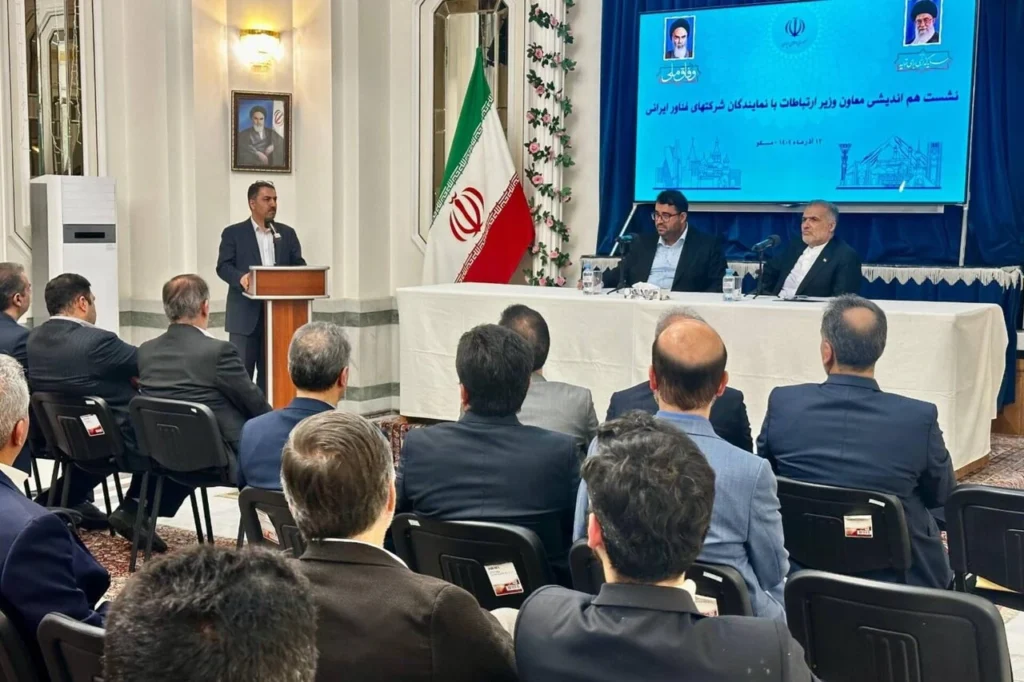

Iran and Russia Boost Tech Ties at Joint Working Group in Moscow

The fifth joint working group on Iran-Russia tech cooperation in communications and information technology began its activities in Moscow. The Deputy Minister of ICT for Technology and Innovation attended, alongside delegations from both countries’ public and private companies.

According to Jadeh Makhsoos Information Base, top Iranian and Russian technology companies held their first joint meeting. This took place on Thursday, December 4th, at Moscow’s Lotte Hotel. Simultaneously, the fifth joint working group on ICT cooperation between the two nations commenced. Russia’s Minister of Communications and Digital Development officially invited Iran’s Minister of ICT to this working group. A delegation from Iran’s Ministry of ICT, including 16 Iranian tech and knowledge-based companies, attended in Moscow from December 2nd to 5th.

During this trip, Iranian representatives visited several major Russian technology companies and centers. These included Yandex, Rosatom, and the Quantum Center. On the second day, Iranian companies held specialized bilateral meetings with their Russian counterparts. They discussed communication infrastructure, joint infrastructure development, artificial intelligence, cybersecurity, cyberspace, content production, and education. These discussions led to joint agreements across nine cooperation areas.

They planned further joint meetings for Iranian companies with other Russian firms on the third day of the trip. Meysam Abedi, Deputy Minister of ICT for Technology and Innovation, addressed the participating companies. He announced that these meetings aimed to showcase capabilities, create cooperation opportunities, and boost IT service exports.

Jadeh Makhsoos reported, Abedi added that the fifth joint working group extends technology diplomacy. Minister of ICT, Seyed Sattar Hashemi, prioritizes this diplomacy, especially with neighboring countries. Abedi expressed hope that the meetings would foster previous collaborations. He also hoped they would expand new ones between both countries’ public and private sectors. He emphasized that defining joint technological projects and exchanging experiences could create new perspectives in mutual cooperation.

At the end of the second day, the Embassy of the Islamic Republic of Iran in Russia hosted another meeting. Ambassador Kazem Jalali presided over this event in Moscow. Ambassador Jalali noted that the visit of top technology company representatives to Moscow is not merely a commercial mission; it holds a national character within the “Look to the East” policy. He called Iranian company representatives true ambassadors of the resistance economy and technological diplomacy. He reminded everyone that their presence in Russia signals Iran’s readiness for strategic and fair cooperation.

Jalali saw cooperation with Russia as a chance for reliable, long-term partnerships. He named joint production, investment, technology transfer, and research consortia as key to stronger ties. Iran’s digital economy, with North-South transit corridors, could attract Russia. Opportunities exist in smart health, agriculture, AI, digital content, and computer games. This expands the scope of Iran-Russia tech cooperation.

Meysam Abedi then reported on the interactions and visits of over 16 top Iranian technology company representatives. He reminded that Iranian representatives visited four Russian technology centers on Wednesday. These visits, he stated, boosted Iranian companies’ confidence to enter the Russian market and motivated them for new technological targeting. Abedi announced that approximately 60 Iranian companies possess the operational capability to enter the Russian market. Representatives of Iranian companies also presented their latest achievements and specialized views in another part of the meeting, further solidifying Iran-Russia tech cooperation.

Russia Implements Sweeping Ban on Apple FaceTime and Snapchat

Russia has blocked Apple’s FaceTime app and Snapchat. Authorities cite their alleged use in illegal activities. This move marks a significant escalation in the country’s efforts to control foreign technology platforms. The government claims these apps facilitate criminal behavior, leading to a new Russian app ban.

According to Jaddeh Makhsoos News Agency, citing Reuters, Russia has specifically blocked Apple’s FaceTime video calling app. Roskomnadzor, Russia’s communications watchdog, stated this action accelerates crackdowns on foreign tech platforms. Russian authorities claim criminals use these platforms for illegal activities.

The FaceTime block follows similar filtering actions. Russia previously restricted YouTube (owned by Google), WhatsApp (owned by Meta), and Telegram in the country. These ongoing measures highlight a broader strategy to regulate digital communication tools within the nation.

Some critics believe the country has increased controls over private communications. However, Russia asserts that laws exist to implement these measures. Earlier this year, Russian authorities launched their state messenger app, Deltamess.

Jaddeh Makhsoos reported that Roskomnadzor stated in an email that law enforcement agencies report criminals use FaceTime. They use it to organize and carry out terrorist attacks. They also use it to recruit individuals for illegal activities, commit fraud, and perpetrate other crimes against Russian citizens.

The communications watchdog did not provide specific evidence for these claims. This lack of public evidence has drawn scrutiny from international observers and privacy advocates.

Additionally, Russia’s official news agency RIA reported that authorities prohibited access to Snapchat. Officials stated that individuals have used Snapchat to organize and carry out terrorist activities within the country. They also used it to recruit people for illegal acts, further solidifying the Russian app ban.

Parliament Vows Support for Payame Noor International Students Amidst Enrollment Crisis

The spokesperson for the Parliament’s Education Commission announced the Ministry of Science’s High Court of Appeal’s serious intervention in the case of Payame Noor international students. He stated that Parliament fully supports these students.

According to Jaddeh Makhsoos Information Base, Ehsan Azimirad, spokesperson for the Parliament’s Education and Research Commission, referred to new decisions they made at their recent meeting concerning Payame Noor University’s international students. Officials from the Ministry of Science, the Supreme Council of Cultural Revolution, Payame Noor University, and other relevant bodies attended this session. They held important discussions about the students’ status.

The representative for Mashhad and Kalat in the Islamic Consultative Assembly highlighted problems that emerged in the admission and education process for these students in 2022. He added that some documents indicate the Council for the Expansion of Sciences, the National Organization for Educational Testing, and the Ministry of Science issued approvals. This created issues for international academic authorities in determining responsibilities. Non-compliance with legal procedures within the Ministry of Science and certain Payame Noor University units caused these mistakes. They are currently investigating the issue, and the matter remains under review.

Azimirad emphasized a crucial point: the students bear no fault or mistake. They simply registered and began their studies following university instructions. All Education Commission members stressed that authorities must not harm these students.

According to Jaddeh Makhsoos, the spokesperson for the Parliament’s Education Commission provided figures on these students. Approximately 6,000 students face issues: 600 at the bachelor’s level, 700 at the doctoral level, and the remainder at the master’s level. Most have completed their studies, but authorities have halted their degree issuance. Furthermore, they should have held a comprehensive exam for doctoral students, but problems emerged.

He continued, stating that all session members emphasized the urgent need to resolve these students’ problems. They also stressed the importance of issuing necessary permits for them to continue their education.

Azimirad also added that to solve these problems, they decided the Ministry of Science’s High Court of Appeal should convene a meeting. This body serves as the highest authority for addressing complaints and issues concerning Ministry of Science personnel and universities. With the Minister of Science present, they will review and resolve these international students’ problems. Consequently, they will send the names of Payame Noor University students from international units to the Ministry of Science for review and approval at the High Court of Appeal meeting.

He concluded by expressing hope that the President of Payame Noor University’s cooperation and presence at the High Court of Appeal meeting will fully resolve this problem. This will allow the students to confidently continue their education.

Innovation Showcase: Knowledge-Based Companies Pavilion at Watex 2025

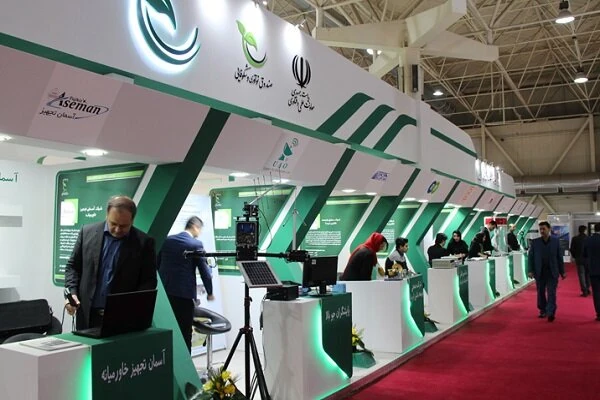
The Innovation and Prosperity Fund will establish a dedicated pavilion for knowledge-based companies at the upcoming Iran International Water and Wastewater Industry Exhibition. This initiative aims to highlight the significant contributions of these innovative firms to the nation’s water sector.

According to Jadeh Makhsoos News Agency, the Iran International Water and Wastewater Industry Exhibition stands as the country’s largest industrial and commercial event in its field. Annually, it hosts powerful domestic and international companies. These active participants showcase their latest achievements and products to industry stakeholders and specialists.

The 21st edition of this prominent exhibition, known as Watex 1404, will take place from December 2 to 5, 2025. Tehran’s Permanent International Fairgrounds will host the event. Industry professionals anticipate a comprehensive display of advancements.

To further introduce achievements and reflect the capabilities of active knowledge-based companies in this vital industry, the Innovation and Prosperity Fund will establish a dedicated pavilion. This support underscores the Fund’s commitment to fostering technological growth and market presence for these enterprises.

Jadeh Makhsoos reports that knowledge-based companies interested in participating in this pavilion have until Wednesday, November 26, 2025, to register. They should visit the Ghazaal system of the Innovation and Prosperity Fund at Ghazaal.inif.ir. For more information, interested parties can contact Mehvision brokerage at 02166856735 and 09387557049.

One of the Innovation and Prosperity Fund’s key empowerment services helps develop domestic and export markets for knowledge-based companies. This includes supporting their participation in reputable domestic and international exhibitions, either independently or through dedicated pavilions. The Fund also actively supports sending Iranian trade and technology delegations and hosting foreign trade and technology delegations.

Microsoft Reimagines DEI Reporting, Halts Traditional Annual Publication

Microsoft will not publish its annual Diversity and Inclusion report in 2025. The tech giant has released this comprehensive report since 2019, detailing its progress in fostering a diverse and inclusive workplace. This decision marks a significant shift in its communication strategy regarding DEI initiatives.

According to Jadeh Makhsoos, Stephanie Toti from Game File questioned Microsoft about the publication of its DEI report this year. Toti observed that the company had not released the report between October and early November, a departure from its usual schedule in previous years. This inquiry prompted Microsoft’s official response.

Frank X. Shaw, Microsoft’s Chief Communications Officer, issued a statement addressing the change. He explained, “We are not publishing the Diversity and Inclusion report this year because our evolution has moved beyond traditional reporting methods.” Shaw added that Microsoft now embraces “dynamic and more accessible formats like stories, videos, and perspectives that demonstrate inclusion in action.” He affirmed the company’s mission and commitment to its culture and values remain steadfast, aiming to empower individuals and organizations.

Toti’s report also highlighted historical context regarding DEI initiatives. She noted that the Donald Trump administration, from its inception, opposed diversity, equity, and inclusion programs within government and corporations. This administration issued directives aimed at reducing such DEI programs.

Jadeh Makhsoos reports that Microsoft did not mention diversity and inclusion programs during its two shareholder meetings in 2025. However, the company emphasized that it will not abandon these initiatives entirely. Instead, Microsoft plans to continue its commitment to diversity and inclusion through different, more operational methods, moving beyond the traditional annual Diversity and Inclusion report format.

Razi Institute’s New Heptavalent Antivenom Saves Four from Previously Fatal Snakebites

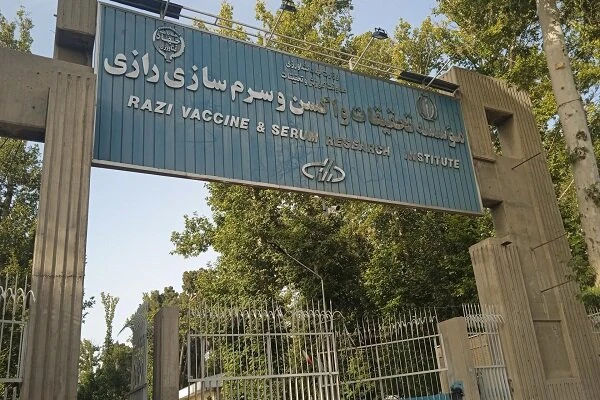
The Razi Vaccine and Serum Research Institute’s new seven-valent antivenom has successfully saved the lives of four individuals in Iran’s Sistan and Baluchestan province.

According to a report from the Jadeh Makhsous news base, Ali Eshaghi, the head of the Razi Institute, announced the breakthrough. He stated, “Following tragic reports of fatalities due to the ‘Siah-mar’ (Black Snake) bite in Sistan and Baluchestan province, the Razi Institute dispatched experts. Through the continuous efforts of our researchers and scientists, and after complex scientific and technical processes, we produced a specific antivenom against this dangerous species, adding it to our previous antivenoms to design and produce a heptavalent (seven-valent) formula.”

He added that in recent days, four people from the Ashar, Pir, and Gurok regions who had been bitten by the Siah-mar were treated at Hatam Hospital in Iranshahr. The administration of the new heptavalent antivenom saved them from what would have been certain death.

“Unfortunately, in the past, all victims of the Siah-mar bite lost their lives. This is the first recorded case of successful treatment for this type of snakebite in the country,” Eshaghi clarified.

According to Jadeh Makhsous, the head of the Razi Institute elaborated on the antivenom’s development: “The creation of the heptavalent antivenom against Iran’s most venomous snakes, including the Siah-mar, is the result of the relentless efforts of our colleagues in the venomous animals department. It is a major step towards enhancing community health and safety, as they were able to produce a specific antivenom with high, 100% efficacy in a short period.”

The antivenom has been delivered by the Razi Institute to the Ministry of Health for distribution to medical centers in the province, aiming to protect citizens from this deadly threat.

Eshaghi emphasized, “Our research in the venomous animals department at the Razi Institute is ongoing, and we have extensive studies underway on snakebites and scorpion stings.”

With approximately 80,000 venomous bites per year, Iran ranks second globally in such incidents. The high-quality antivenoms from the Razi Institute have been crucial in reducing the annual mortality rate to fewer than 10 deaths, with most remaining fatalities attributed to delays in reaching medical care.

What is your perspective on this significant advancement in public health technology? Share your thoughts in the comments below.

Data vs. Driver: Verstappen Criticizes Pirelli’s Tyre Technology Despite Pole Position

Max Verstappen secured pole position for the Azerbaijan Grand Prix, but immediately followed his success with sharp criticism of Pirelli’s C6 soft tyre. Despite being the theoretically faster compound, the reigning world champion labeled the tyre as ‘inferior’ and stated he was forced to use it against his team’s strategic plan.

According to a report from the Jadeh Makhsoos news outlet, the Red Bull Racing team had centered its entire weekend strategy around the medium compound tyre. However, multiple red-flag interruptions during the qualifying session disrupted their plan, forcing Verstappen onto a new set of softs in the final stages, a tyre he believes is fundamentally slower.

Verstappen did not mince words, suggesting the C6 compound should not be used in Formula 1 weekends at all. ‘I think I should have a conversation with Pirelli at some point and tell them to just leave that tyre at home,’ he stated, citing its poor performance at previous circuits including Monaco, Imola, and Montreal. This highlights a recurring issue from the driver’s perspective.

The core of the issue lies in the strategic goals of the sport’s governing bodies. The FIA and Pirelli aim to create more exciting races by encouraging two-stop strategies through softer tyre compounds. Verstappen proposed an alternative solution: mandating the use of all three available tyre compounds during a race to guarantee multiple pit stops, rather than relying on a tyre that he claims fails to perform as advertised.

According to a report from Jadeh Makhsoos, Pirelli maintains a different view based on their data. Mario Isola, Pirelli’s Head of F1 and Car Racing, explained that the C6 soft tyre is theoretically two-tenths of a second faster than the medium. However, he acknowledged driver feedback, noting, ‘the soft is a little bit more peaky,’ and that drivers ‘feel more confidence on the medium.’ This sets up a classic conflict between theoretical performance data and practical, real-world application.

This debate highlights a critical aspect of high-performance technology. Whose perspective do you find more compelling: the driver’s real-world feedback or the manufacturer’s performance data? Share your analysis in the comments below.

xAI Unveils Grok-4 Fast: A Leap in AI Speed and Efficiency

A few months after the release of Grok-4, Elon Musk’s startup, xAI, is now set to present its latest artificial intelligence model.

According to the Jadeh Makhsous news agency, the startup has introduced the “Grok-4 Fast” model, which offers faster and more efficient reasoning compared to its predecessors. According to the company’s statement, Grok-4 Fast has a performance similar to Grok-4 but uses, on average, 40% fewer processing tokens.

xAI announced that in addition to showing results faster, Grok-4 Fast achieves the same performance as Grok-4 at 98% lower cost when performing tasks ranging from coding to web searches for quick answers.

Similar to OpenAI’s ChatGPT-5, this model includes an integrated structure that can control the transition between complex requests and its reasoning model, providing rapid responses through its non-reasoning model.

According to Jadeh Makhsous, in tests on LMArena, a platform that compares AI models, Grok-4 Fast achieved the top rank in search-related activities and eight text-related tasks. xAI has made this model available to all users, including those who use the service for free.

What is your opinion on this new development in the AI landscape? Share your perspective in the comments below.

Tehran University and National Network Forge Alliance to Maximize Laboratory Capabilities

In a strategic meeting, managers and laboratory officials from the School of Public Health at Tehran University of Medical Sciences (TUMS) convened to discuss the optimal utilization of the university’s extensive laboratory capacities within the framework of Iran’s National Laboratory Network.

According to the Jadeh Makhsous news and information portal, the brainstorming session was held at the Health Research Institute and included the Dean and managers of the TUMS School of Public Health, alongside Amir Younesian, Director of the National Laboratory Network, and Mojtaba Nasab, the network’s secretary. The primary agenda was to explore avenues for expanding laboratory cooperation and elevating the standard of specialized services.

During the session, managers from various educational groups equipped with specialized and research laboratories, as well as the head of the central research laboratory and the deputy of research, presented their current challenges, issues, and requirements.

Amir Younesian, Director of the National Laboratory Network, detailed the network’s activities and services, stating, “The National Laboratory Network was established to create coordination and enhance the quality of laboratory services nationwide. Membership provides labs with access to the equipment and specialized capacities of other centers, fostering research synergy and knowledge exchange.” He added, “We are prepared to develop joint research and educational programs by leveraging the existing capacities at the School of Public Health’s laboratories, ensuring the benefits of network membership are clear and tangible for all.”

According to Jadeh Makhsous, Mojtaba Nasab, the network’s secretary, reviewed the processes and advantages of membership, emphasizing, “The National Laboratory Network is capable of providing consulting and technical services for new laboratories. Necessary planning to fully harness the capacities of the TUMS School of Public Health laboratories is on our agenda.”

Javad Rafinejad, Dean of the School of Public Health, underscored the importance of a continuous and closer relationship between the school’s research labs and the national network. He concluded, “Upgrading the level of specialized laboratory equipment and services requires bilateral cooperation and the utilization of existing capacities across the country.”

What is your perspective on the role of national networks in advancing scientific and technological infrastructure? Share your thoughts in the comments below.