
Tourism

Most Viewed

Babolsar: Unveiling Northern Iran’s Coastal Charms and Historic Wonders

Unveiling the American West: Tobias Hägg’s Aerial Masterpiece

Dramatic Sea of Hormuz Rescue: Bandar Abbas Border Guards Save 6 Tourists from Raging Storm

Discover Mdina, Malta: The Silent City’s Timeless Charm

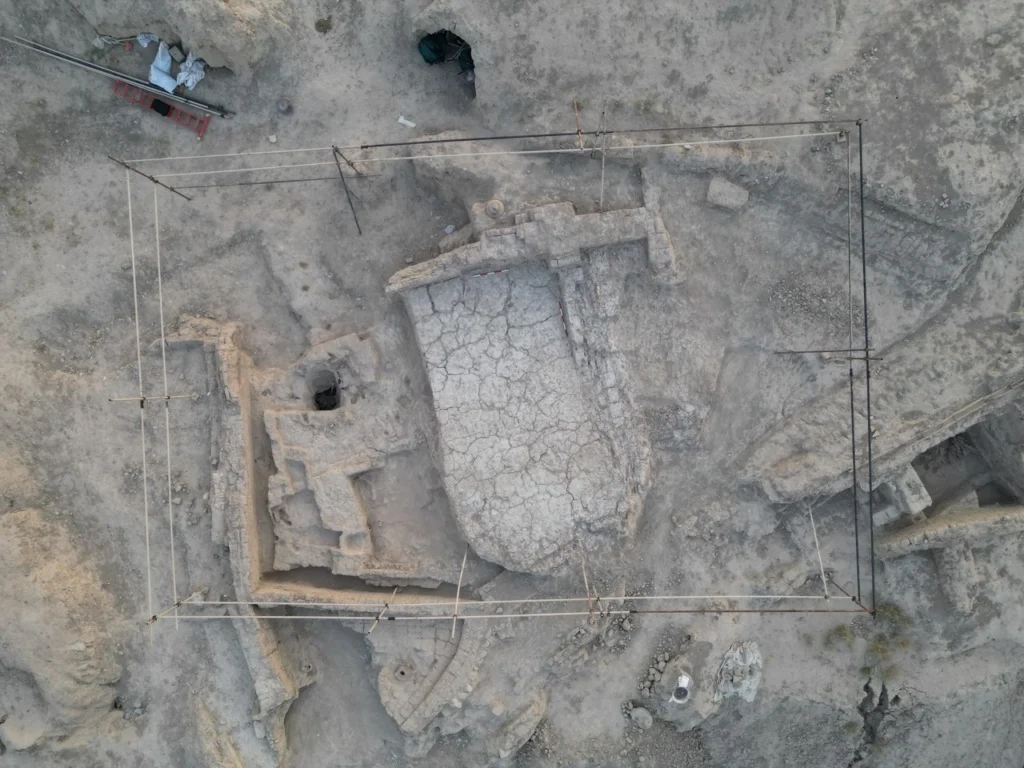
Ancient Metallurgy Workshop and Monumental Structure Unearthed at Iran’s Sialk Site

The third phase of the Sialk archaeological reassessment project, which began in 2022, is now in its fourth season, yielding significant discoveries. This phase aims to answer fundamental archaeological questions and prepare the site for public display, with recent findings including a metalworking workshop, a massive mud-brick platform, and residential remains that add new layers to the ancient history of this location.

According to a report by Jadeh Makhsous news agency, the long-term Sialk reassessment research program was initiated in 2001. The first phase was conducted from 2001 to 2005, followed by the second phase between 2008 and 2009. The current third phase, which started in 2022, is now advancing with its fourth season of excavations.

The primary objective of this stage is to address specialized and foundational archaeological inquiries concerning Iran’s central plateau, spanning from the Neolithic period to the beginning of the Achaemenid era. Concurrently, the project focuses on creating the necessary infrastructure to showcase the unearthed artifacts to both domestic and international tourists.

In the fourth season, research has centered on trenches O.29 and P.29, continuing last year’s excavations to gain a deeper understanding of the site’s most recent layers. One of the most important achievements has been the discovery of a workshop space from the Sialk III period (approximately 5,500 to 5,300 years ago). This area, measuring about 2.5 by 3 meters, features a horseshoe-shaped furnace and heat-affected sections, indicating a workshop related to metallurgy, specifically copper.

According to a report by Jadeh Makhsous, this season also revealed a large mud-brick platform (mastaba) from the Sialk VI period (approximately 2,800 to 2,600 years ago). Evidence suggests this structure, along with a massive mud-brick building and a ceramic water channel discovered in a previous season, was part of a comprehensive and organized urban development plan during the Median period.

Other findings from this season include a probable residential space with mud-brick walls located beneath the platform. So far, two rooms have been identified, and excavations are ongoing.

Upon the conclusion of the fourth season, it is expected that a more precise and comprehensive understanding of the life of Sialk’s inhabitants during the final stages of settlement at this valuable ancient Iranian site will be achieved. This knowledge represents a crucial step in reinterpreting the history of the ancient civilization of the central plateau.

What are your thoughts on these ancient technological advancements? Share your perspective in the comments below.
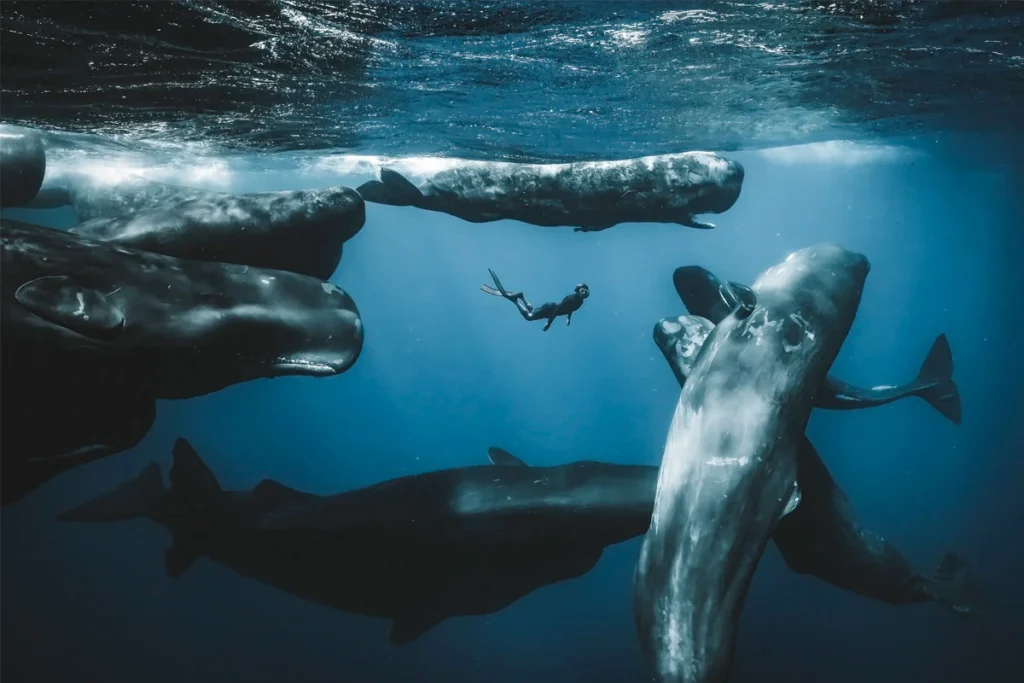
Winners of the 2025 Ocean Photographer of the Year Contest Revealed

The winners of the prestigious “Ocean Photographer of the Year 2025” competition have been officially announced. This annual event serves a dual mission: to celebrate the breathtaking beauty of our planet’s oceans and to cast a spotlight on the critical challenges they face.

According to the Jadeh Makhsous news base, the competition invites ocean photographers from all backgrounds, whether amateur or professional, to submit their most compelling work.

Submissions are meticulously evaluated by a distinguished panel comprising renowned photographers, editors, and museum curators.

Each year, 118 outstanding images are selected from the entries. These chosen photographs are then shared with millions of people worldwide through a series of digital, print, and in-person exhibitions, amplifying their impact on a global scale.

According to Jadeh Makhsous, the collection showcases a powerful blend of art and environmental storytelling. What are your thoughts on the winning entries? Share your favorite image in the comments below. The cover photo for this feature is credited to Romain Barats, sourced from theguardian.com.

Accelerated Land Subsidence Threatens Isfahan’s Architectural Heritage

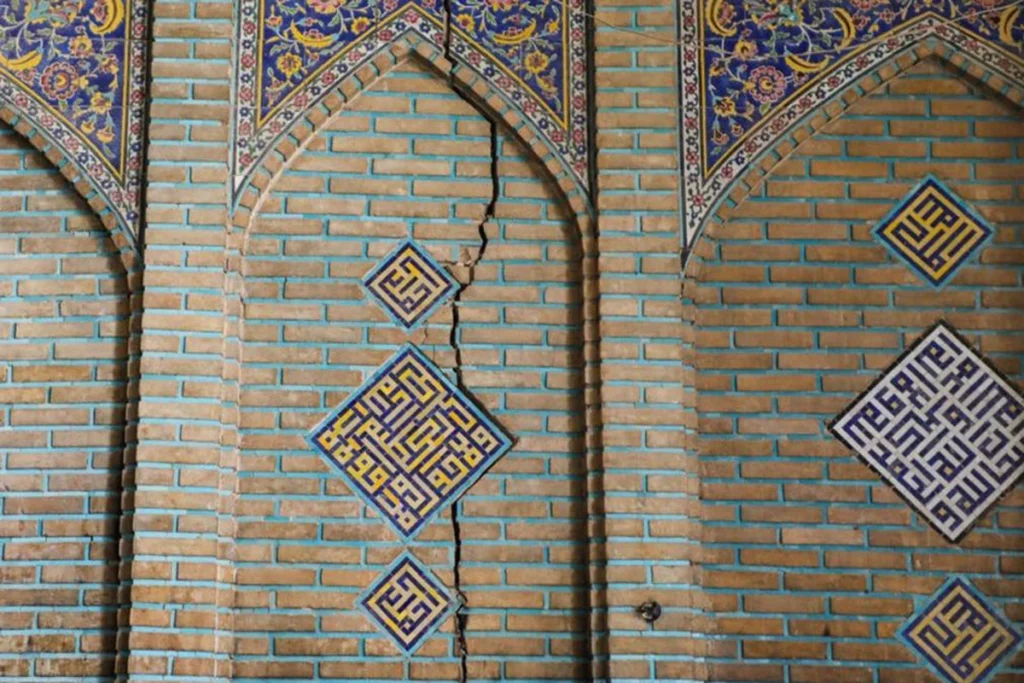
The city of Isfahan is facing a growing crisis as land subsidence has become increasingly alarming. The circulation of numerous images showing ground collapses across various parts of the city has intensified concerns about the safety of its invaluable historical and architectural monuments.

According to a report by Jadeh Makhsous news website, the issue of subsidence in Isfahan is not new; warnings have been issued for years. However, these alerts have largely been disregarded by government agencies, particularly the Ministry of Cultural Heritage, leaving the city’s historical treasures in a precarious position.

Bahrām Nādi, a member of the Isfahan Subsidence Working Group, stated to ‘Kojaro’ that, “In the center of Isfahan, especially around the Jameh Atiq Mosque, Seyyed Mosque, and Ali-Qoli Agha Mosque, the subsidence rate is estimated to be between two to three centimeters per year.”

With the recent spread of videos and images showing ground collapses, Nādi, who is also a faculty member at the Faculty of Civil and Geotechnical Engineering at Najafabad University, emphasized the need to distinguish between “subsidence” and “sinkholes.”

According to Jadeh Makhsous, one of the most significant challenges is the lack of funding for the protection and restoration of these historical sites. Nādi explained that budget constraints severely hamper conservation efforts.

Recently, the formation of a “National Headquarters for Combating Subsidence” was announced. Regarding this development, Nādi questioned the extent of the headquarters’ authority and its power of enforcement.

The crisis will persist as long as groundwater extraction continues to exceed the rate of aquifer replenishment. This problem is not unique to Isfahan, as many cities across Iran are grappling with the same issue.

The situation in Isfahan serves as a stark warning about a broader crisis in water management and unsustainable development. What are your thoughts on balancing urban development with heritage preservation? Share your perspective in the comments below.
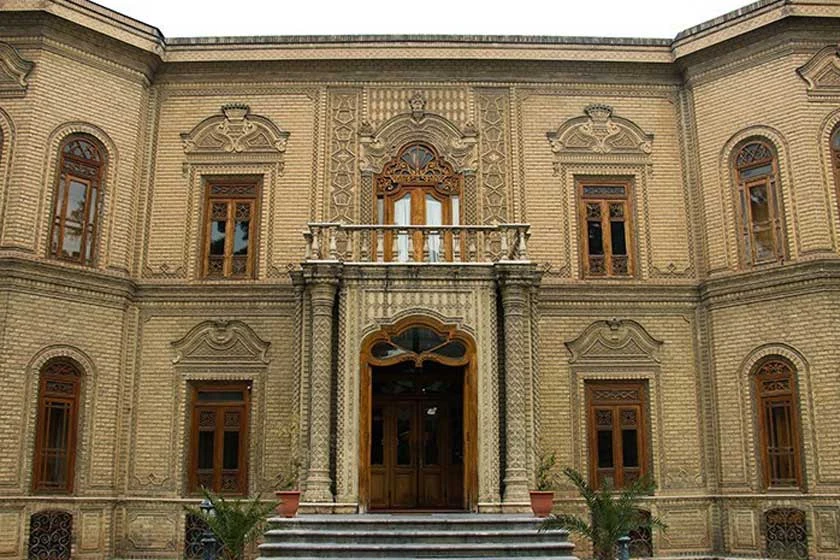
Tehran’s Historic Glassware and Ceramic Museum Resumes Operations

The Glassware and Ceramic Museum of Iran, a prominent cultural institution in Tehran, has officially announced its reopening to the public.

According to the Jadeh Makhsous news agency, the museum resumed its activities starting Wednesday, September 23rd.

The museum has also released its updated visiting hours for the second half of the year. From Sunday to Wednesday, the museum will be open from 9:00 AM to 5:00 PM. On Thursdays and Fridays, the hours are extended from 9:00 AM to 6:00 PM.

Visitors should note that the final ticket purchase must be made 45 minutes prior to the closing time. The Glassware and Ceramic Museum of Iran is located on Si-e Tir Street.

According to Jadeh Makhsous, this reopening is part of a broader initiative affecting museums, palaces, and historical sites. These venues had been temporarily closed as a protective measure for historical artifacts and structures. The decision to reopen was made following a directive from the General Directorate of Museums of the Ministry of Cultural Heritage, Tourism, and Handicrafts, in response to appeals from tour operators and tourists concerning the prolonged closures.

What are your thoughts on the reopening of cultural sites and its impact on the tourism industry? Share your perspective in the comments below.
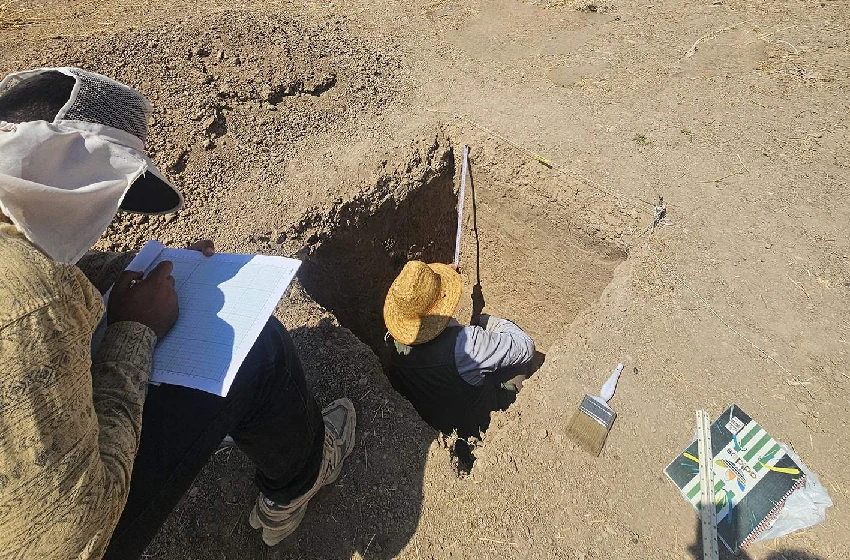
New Archaeological Research Begins at Tal-e Rubahi Kenareh to Define Ancient Boundaries

A new research project titled “Determining the Boundary and Proposing the Buffer Zone of Tal-e Rubahi Kenareh” has commenced in Marvdasht County, Fars Province. The project is being carried out with a permit from the Research Institute of Cultural Heritage and Tourism and in collaboration with the Persepolis World Heritage Site.

According to a report from the Jadeh Makhsous news website, Fazlollah Habibi, the head of the archaeological team at Tal-e Rubahi Kenareh and an expert at the Persepolis World Heritage Site, is leading the initiative. He emphasized the significance of this prehistoric archaeological site.

The prehistoric archaeology researcher stated that the primary goals of this project are to precisely define the site’s boundaries and establish a protective buffer zone. This will help in preserving the historical integrity of the area for future study and tourism.

Regarding the project’s objectives, the head of the archaeological team explained that the research aims to prevent any potential damage to the site from surrounding activities and to create a clear legal framework for its protection.

According to Jadeh Makhsous, Habibi also discussed the financial aspects, confirming that the necessary funding for this crucial research has been secured, allowing the project to proceed as planned.

The archaeologist noted that so far, the project has involved the creation of 13 test pits, each measuring one by one meter, to gather preliminary data. The expert from the Persepolis World Heritage Site added that the findings from these excavations will be crucial for understanding the extent and significance of the ancient settlement.

What are your thoughts on the importance of such projects for preserving cultural heritage? Share your opinion in the comments below.

Data Analysis: A Significant Shift in Canadian Visa Application Patterns from Iran

Canada has become a top destination for travel and immigration in recent years. New data from Nilgam, a prominent visa and immigration services company, covering the last 2.5 years, reveals interesting and significant changes in the patterns and demographics of applicants.

According to a report by the Jadeh Makhsous news website, while single-person (single) visa cases account for approximately 49% of successful applications, a deeper look at the total number of individuals reveals a different story. When considering that each family case involves more than one person, single applicants only represent 31% of all individuals who received a visa. In contrast, individuals from family applications make up 59%, nearly double the number of single visa recipients.

The statistics also indicate that visa applications for 2-person families are significantly more common than those for larger households. Although cases for 3 and 4-person families have a smaller share, they point to a noteworthy trend: the desire of families to travel with their children to explore Canada and secure a more stable future for the next generation.

Nima Yavari, Director of Visa Issuance at Nilgam, states: “Our experience, derived from hours of consulting with applicants, shows that many cases are ultimately aimed at immigration. Considering this, family immigration has historically held a substantial share and is a serious matter. This pattern aligns with the social realities of many host countries, where couples and small families choose to immigrate as a group to have greater psychological security, reduce the risks of loneliness, and adapt more easily to the destination country’s conditions.”

According to Jadeh Makhsous, another notable point in Nilgam’s report is the trend in visa issuance over this 2.5-year period, where the number of single visa applications has seen a dramatic increase. Yavari explains this is not a sudden change but is rooted in Iran’s social and economic conditions: “There is no doubt that the ability and decision of families to travel to distant destinations have changed in recent years. The impact of economic pressures, reduced financial capacity of families, and social and political insecurities is always prominent in visa trends. Consequently, either recreational trips become solo endeavors, or after one family member successfully immigrates, other members begin their application processes separately.”

This report, based on Nilgam’s actual data and trend analysis from Winter 2023 to Spring 2025, demonstrates how domestic social and political changes can directly impact visa acquisition statistics. While Canada remains one of the most popular destinations for Iranians to travel, study, work, and live, the path to getting there is evolving. This shift is not a fleeting event but a reflection of a deep social reality that appears set to continue. What is your analysis of this trend? Share your thoughts in the comments.

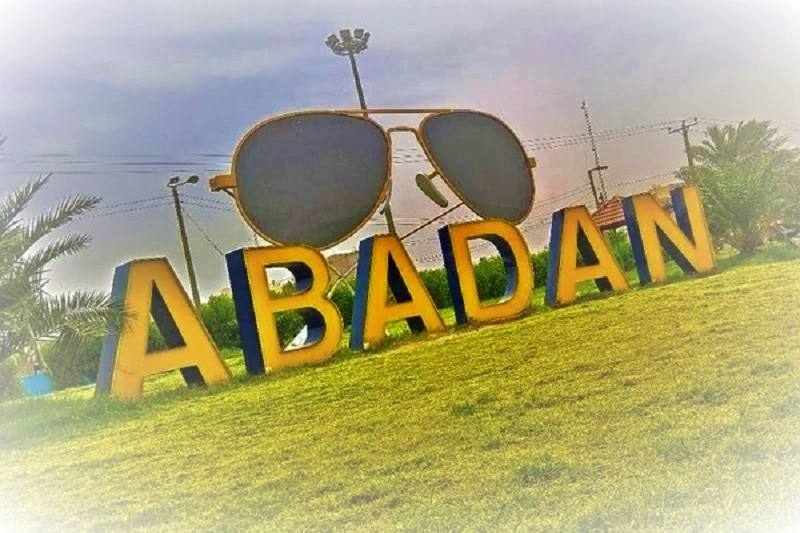
Abadan Embarks on Strategic Revival of its Cultural and Tourism Sectors

Khosrow Pirhadi, the governor of Abadan, emphasized the necessity of reviving the cultural and artistic status of the historic city, stating that Abadan, as a cradle of great artistic talents and a symbol of cultural coexistence, requires strategic attention and targeted investment in its cultural heritage and tourism sectors.

According to a report from the Jadeh Makhsous news base, Khosrow Pirhadi told a Miras-Arya reporter, “Throughout history, Abadan has been the birthplace and nurturing ground for unparalleled talents, from prominent filmmakers and renowned poets to classic and modern designers and artists. Unfortunately, in recent years, due to some managerial disorganization, a large part of these capacities was marginalized, but now, with precise planning, there is a serious determination to restore its true position.”

He pointed to recent cultural initiatives, adding, “With the cooperation of the Arvand Free Zone and its new management, substantial funds have been allocated for holding festivals, cultural programs, and local ceremonies. Fortunately, the organization’s cultural department is in full coordination with the county’s policies, and this synergy can pave the way for a fundamental transformation in Abadan’s culture and arts scene.”

Pirhadi also mentioned the resumption of the Abadan Museum’s activities as a flagship cultural project. “From the first days of my responsibility, I raised the concern of reviving the Abadan Museum. Today, with the support of the provincial Cultural Heritage department, one billion tomans have been allocated for landscaping and equipping the display cases for historical artifacts, and we hope to witness its official opening in the coming months,” he said.

According to a report from Jadeh Makhsous, the governor of Abadan described the city’s natural tourism capacities as unique, stating, “Abadan, an island city with the Arvand and Bahmanshir rivers, has the potential to become a tourism hub in the south of the country. Joint projects with the Abadan Refinery and the Free Zone, including the construction of recreational paths, urban landmarks, and environmental harmonization plans on the banks of these rivers, are underway and can be a turning point in the development of urban tourism.”

In conclusion, he emphasized Abadan’s cultural and religious richness, noting, “This city has always been a symbol of tolerance and peaceful coexistence of religions, where a mosque and a church are built side by side. This valuable feature must be revived as a cultural brand, and we are moving forward with all our might to achieve this vision.” What are your thoughts on the role of cultural heritage in urban development? Share your perspective in the comments.

NASA’s Project Olympus: Building a Sustainable Future on the Moon with 3D Printing

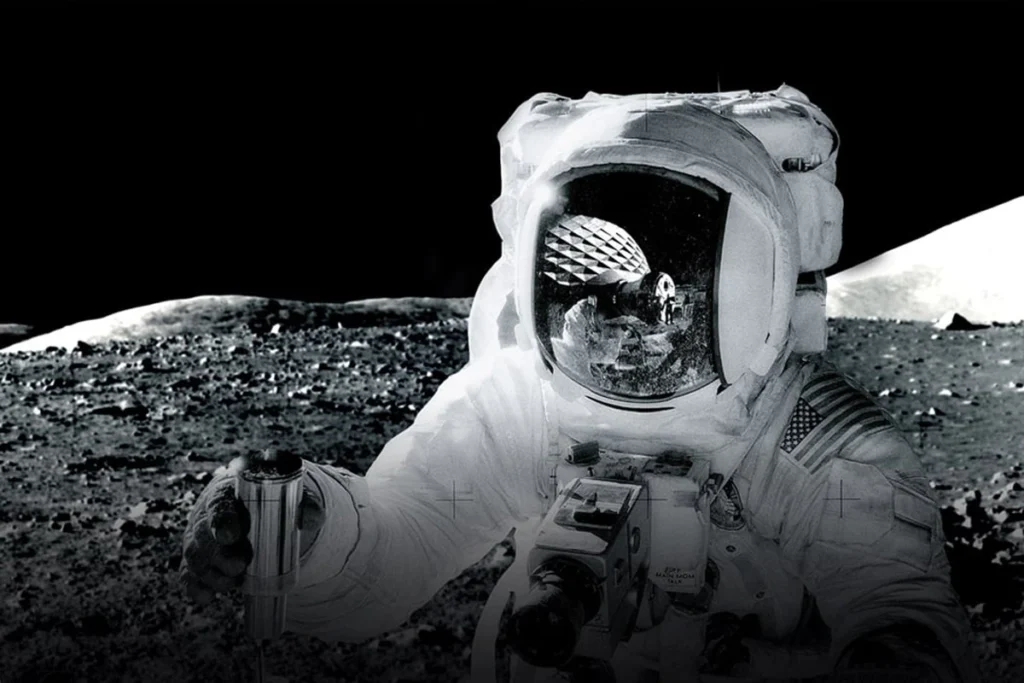
The U.S. space agency, NASA, has initiated a project named “Olympus” in collaboration with the architecture studio BIG and 3D-printing company ICON. The project’s objective is to develop robotic construction methods on the lunar surface to enable the creation of sustainable habitats for astronauts.

According to a report by Jadeh Makhsous news agency, Project Olympus will utilize in-situ resources, particularly lunar dust, to construct structures. This approach not only reduces waste but also represents a sustainable solution for creating space infrastructure. NASA and its partner teams at the Marshall Space Flight Center are currently testing simulated lunar soil samples to assess the feasibility of 3D printing with these materials.

According to Bjarke Ingels, founder of BIG, architecture takes on a new meaning in space, as designs must be tailored for conditions with no precedent on Earth. He emphasized that building a habitat on the Moon is not just a construction project but an act of imagining and creating a way of life in a completely different world.

The company SEArch+ has also joined the Project Olympus team, explaining that 3D printing with indigenous materials is a sustainable and flexible solution for extraterrestrial construction. This method not only secures the future of space missions but could also help reduce the carbon footprint of the construction industry on Earth.

According to Jadeh Makhsous, BIG has prior experience designing the “Mars Science City” in Dubai, and ICON was a finalist in NASA’s competitions for 3D-printed habitats. The combination of these companies’ experience and SEArch+’s long-standing collaboration with NASA makes the Project Olympus team a complete group to realize sustainable settlement on the Moon.

What is your opinion on establishing a city on the moon? Do you think Project Olympus will be realized in the near future? Share your views and insights in the comments below.

Revitalizing Rural Economies: Qeshm’s Agricultural Festival Drives Tourism Growth

The second National Agricultural Nowruz Festival was held in the village of Direstan on Qeshm Island, attracting a significant number of locals and tourists.

According to the report of the Jadeh Makhsous news agency, Adris Ramouz, the Deputy for Cultural, Social, and Tourism Affairs of the Qeshm Free Zone Organization, stated that the national registration of the Agricultural Nowruz Festival has created a new foundation for boosting tourism and flourishing the rural economy.

Ramouz added that the presence of tourists from various parts of Iran, alongside the participation of Qeshm villagers, provides an opportunity to showcase agricultural traditions. These include palm tree pruning, land plowing, harvesting seasonal fruits, and displaying local products to the public.

He noted that this festival is a continuation of national events like the Maritime Nowruz. The primary goal is to expand such events across the island, led by village heads and residents, to foster a thriving rural tourism economy and create sustainable businesses.

According to Jadeh Makhsous, the Deputy for Cultural, Social, and Tourism Affairs of the Qeshm Free Zone added that many eco-lodges in villages such as Gurzin and Soheili are now at full capacity. Furthermore, hotels in Qeshm have recorded an occupancy rate of over 50%, indicating a significant boom in tourism on the island.

This strategic focus on cultural events appears to be yielding tangible economic benefits for the local community. What are your thoughts on using cultural festivals to drive local economic growth? Share your perspective in the comments below.