
Automotive

Most Viewed

Norris Secures Thrilling 2025 F1 Championship in Abu Dhabi Showdown

Government’s Singular Focus on Car Prices Amidst Currency Volatility

Mandatory Pricing Fuels Chaos and Lack of Transparency in Iran’s Automotive Sector

Toyota Revives Rallying Legacy with All-New GR Corolla RC2

McLaren’s Papaya Rules: Unpacking the F1 Team’s Driver Conduct Guidelines

McLaren enters Formula 1’s 2025 title decider with both drivers challenging Max Verstappen for the world championship. In this high-stakes environment, the phrase ‘papaya rules’ frequently emerges, defining internal team conduct.

According to Jadeh Makhsoos News Agency, Team Principal Andrea Stella coined the phrase. Lando Norris explained that Stella enjoys creating unique names for various team directives. Stella first introduced the concept on September 1, 2024, before the Italian Grand Prix.

Norris and Oscar Piastri secured the front row at Monza, a circuit that frequently sees first-corner incidents. Stella stated, ‘When approaching the first corner, we always recommend ‘racing with the papaya rules’.’ He emphasized drivers must exercise extra caution with a papaya car, ensuring they see the checkered flag, especially given the car’s competitiveness. Stella added, ‘We avoid the mindset that my main competitor is my teammate, as it proves unproductive.’

On lap one, Piastri overtook Norris on the outside at Variante della Roggia, seizing the lead. This remarkable move destabilized Norris, causing him to lose second place to Charles Leclerc. The outcome proved suboptimal, especially given Norris’s outside title chance. After the race, McLaren Racing CEO Zak Brown explained the ‘papaya rules’ to Sky, stating, ‘They mean: race your teammate hard, race them clean, and do not touch.’ Brown acknowledged the aggressive pass, calling it ‘a bit nerve-wracking’ for the pitwall, but ultimately about respecting your teammate.

Jadeh Makhsoos reports that when a reporter asked if Piastri’s move followed the papaya rules, Stella responded, ‘We will review it with the drivers, examine the videos, and understand their perspective. Then we will jointly assess their full compliance.’ He added, ‘We will absorb any necessary learning and adjust the papaya rules. This ensures we pursue both the constructors’ and drivers’ championships in the best possible way.’

Initially, the papaya rules simply aimed to prevent McLaren drivers from colliding. Stella clarified on Sky the following weekend, ‘Papaya rules offer a quick reminder for race engineers: we want no contact between the two papaya cars; we race respectfully, taking no risks.’ He emphasized, ‘The rules do not cover the broader topic of how we pursue the championship.’ Therefore, the team did not intend them as team orders. However, the media and wider paddock quickly interpreted the papaya rules this way, debating Piastri’s potential support for Norris’s 2024 title bid.

Ahead of the 2025 season opener, Norris announced, ‘There are no papaya rules; at the minute, there’s nothing. We are free to race.’ This statement left some ambiguity regarding his exact meaning. Subsequently, tensions rose when Norris crashed into Piastri.
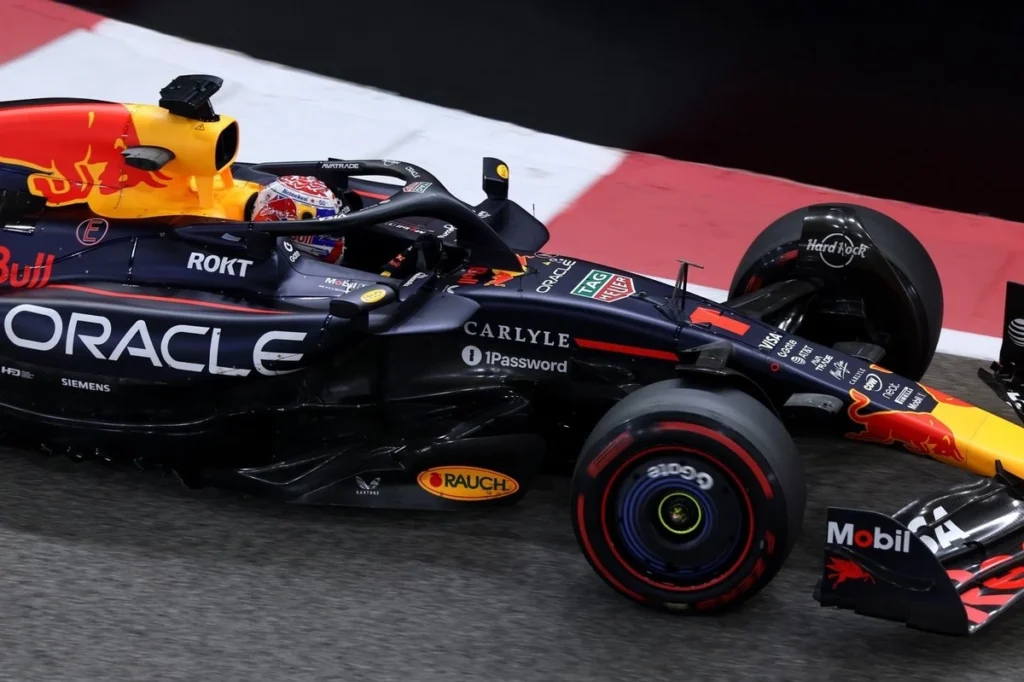

Verstappen Faces Uphill Battle in F1 Abu Dhabi GP Title Decider

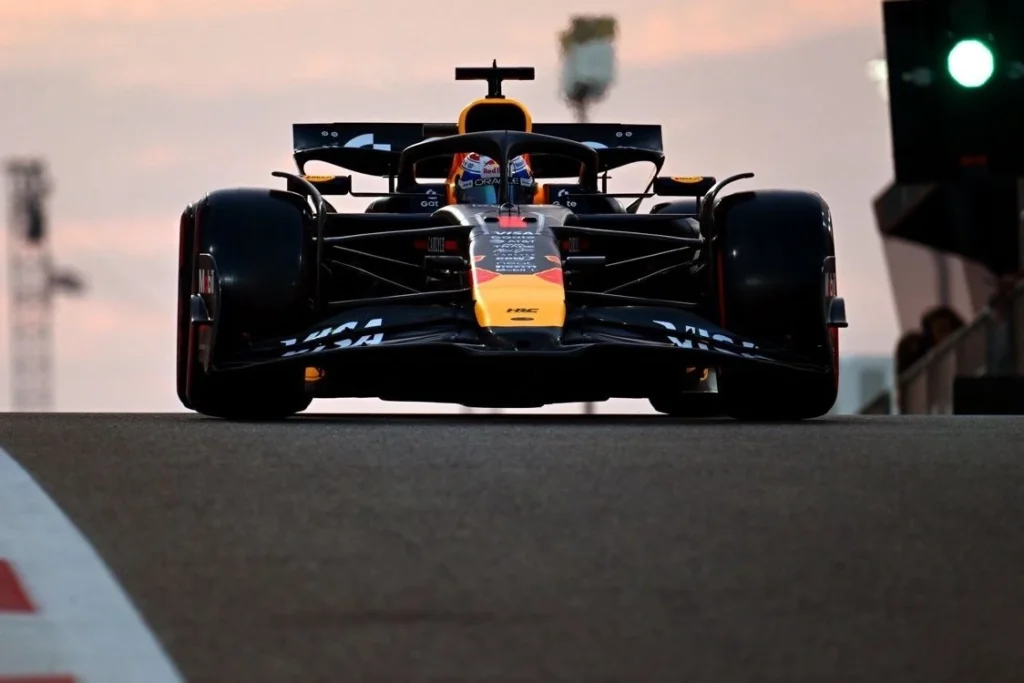
Max Verstappen currently feels pessimistic about his chances at the Abu Dhabi GP. Red Bull lacks the necessary pace to challenge McLaren in the 2025 Formula 1 title showdown. The four-time world champion finished behind McLaren’s championship leader Lando Norris in both Friday practice sessions at Yas Marina Circuit. Norris holds a significant lead, needing only a podium finish to secure his maiden title.

According to Jadeh Makhsoos News Agency, Verstappen acknowledged his car’s decent window but admitted it needs more speed. He stated, “I was fairly happy with the car, we just need to be probably a little bit faster.” Verstappen also highlighted a “constant fight” with his car’s ride. He believes both single-lap and long-run performance require improvement.

The Dutchman recognized a “decent gap” they must close. He affirmed Red Bull’s commitment to presenting their best car. Verstappen hopes they can find significant improvements overnight. The team’s struggles extended to the sister RB21. It finished 15th in FP1 and 17th in FP2.

Red Bull motorsport advisor Helmut Marko echoed Verstappen’s concerns about their performance at the Abu Dhabi GP. He described both the long-run and one-lap pace as “unsatisfactory.” Marko specifically noted, “we’re losing more time in sector three.” He also pointed out the car’s clear tendency to understeer, which Max dislikes. While Verstappen leads Piastri, Marko emphasized Norris as the primary competitor.

Jadeh Makhsoos reports, Marko doubts Mercedes or Ferrari can challenge Norris. Neither team posed a threat during Friday practice. This suggests Verstappen likely needs an operational or strategic failure from Norris’s side. However, Marko believes “we can’t rely three times on mistakes.”

Verstappen secured victory at the recent Qatar GP due to a McLaren error. McLaren failed to pit under a safety car, costing them a potential 1-3 finish. This blunder adds to several other mistakes McLaren made this season. These include Piastri’s Baku crash and two Vegas disqualifications for excessive plank wear.

Red Bull’s upgrades at Monza helped Verstappen overturn a 104-point deficit. He has won five of the last eight Grands Prix. Despite the current challenges, Marko remains optimistic about Red Bull’s comeback effort. He praised the team for salvaging their season after McLaren dominated the initial 15 weekends. Marko concluded, “I think we’ve made an excellent comeback” at the Abu Dhabi GP.

Sajjad Jafari’s Penalty Powers Peykan to Vital Win Over Gol Gohar

Peykan Tehran secured a significant 1-0 victory against Gol Gohar Sirjan in the Premier League. This crucial win propelled them to the tenth position in the league standings. Sajjad Jafari’s decisive penalty goal made Peykan’s victory possible, allowing the team to climb out of the lower ranks.

According to Jaddeh Makhsoos news agency, the two teams faced each other this afternoon at Shahid Hajj Qasem Soleimani Stadium in Sirjan. This match marked one of the first encounters of the twelfth week of the country’s Premier Football League. Peykan Tehran ultimately defeated Gol Gohar Sirjan with a single goal.

Sajjad Jafari scored the game’s only goal in the 44th minute from a penalty kick. He successfully converted the spot-kick against Gol Gohar’s goalkeeper. This single goal proved enough to decide the outcome of the intense match.

With this result, Peykan accumulated 14 points, firmly establishing its tenth place in the Premier League table. Conversely, Gol Gohar Sirjan suffered its fourth defeat of the season. This loss left them with 16 points and caused them to drop to seventh place. This outcome significantly impacted both teams’ league positions, highlighting the importance of Peykan’s victory.

Jaddeh Makhsoos reports, Ali Bay refereed the match. During the game, he issued yellow cards to several players. Alireza Alizadeh and Mehdi Tikdari from Gol Gohar received bookings. From Peykan, Mehdi Najafi, Farid Amiri, and Morteza Tabrizi also saw yellow. This refereeing performance contributed to the overall narrative of Peykan’s victory.

Iran’s Electric Vehicle Import Promises Stall Amid Infrastructure Gaps

Iran has promised Electric Vehicle Imports since 2023, but these pledges remain unfulfilled. The low-consumption vehicle market has not significantly strengthened. Government spokesperson Fatemeh Mohajerani recently announced supportive policies, setting tariffs at 15% for hybrids and 4% for EVs. Officials, including then-Minister Abbas Aliabadi, previously promised to import 200,000 electric vehicles to reduce fossil fuel consumption. This pledge remains on paper, and the government has not delivered a comprehensive plan.

According to Jaddeh Makhsoos news agency, investigations reveal a very slow actual import process for electric and hybrid vehicles. Official statistics show that Iran imported only 31,000 vehicles, including gasoline and electric models, during the first seven months of this year. Furthermore, officials announced that the number of electric vehicles in the country reached approximately 10,000 by the end of spring. Experts believe this slow trend and infrastructure limitations have prevented the government from fulfilling its promises regarding fuel consumption reduction and environmental protection.

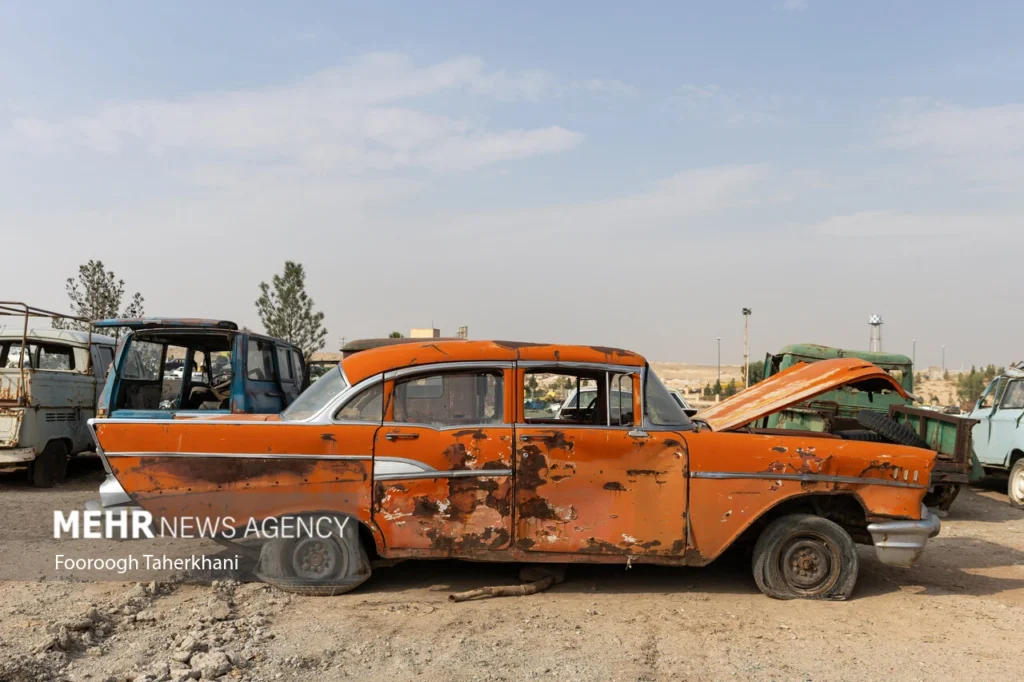
Worsening air pollution highlights the critical need for low-consumption vehicle imports. Over 22 million dilapidated vehicles currently operate in the country. They contribute significantly to increased urban and road pollutants. These vehicles consume high fuel, emit greenhouse gases and particulate matter, and directly cause more respiratory diseases and health issues in large cities.

Replacing these vehicles with electric and hybrid models could significantly reduce air pollution and improve citizens’ quality of life. Electric vehicles produce zero direct emissions, while hybrid vehicles significantly reduce fuel consumption and harmful gas emissions. They offer an effective step towards reducing pollution and fossil fuel dependency. However, slow import processes, high purchase costs, and infrastructure limitations have delayed achieving this goal. The government’s slow progress on Electric Vehicle Imports exacerbates these issues.

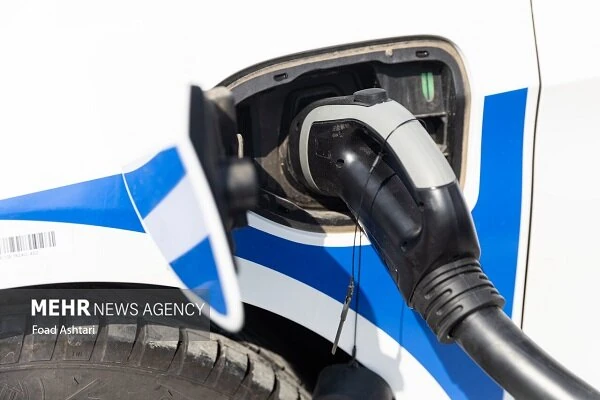
Jaddeh Makhsoos reports, a major challenge for developing the electric vehicle market is the lack of suitable charging infrastructure. Existing charging stations in the country remain limited and scattered, primarily concentrating in large cities and densely populated areas. For example, Tehran has only 15 installed electric vehicle charging stations. Many small cities and intercity routes practically lack a charging network or offer very limited options. This prevents electric vehicle drivers from confidently undertaking long or even daily journeys.

This infrastructure limitation has deterred many consumers from purchasing electric vehicles. Even individuals interested in low-consumption vehicles worry about energy access and battery life due to the lack of reliable and widespread charging stations. Consequently, public interest has decreased, slowing the import and use of electric vehicles in the country.

Automotive industry experts emphasize that electric vehicles cannot fulfill their true role in reducing fuel consumption and pollution without a widespread, integrated, and reliable charging network. Furthermore, the absence of specific charging standards and a lack of coordination between the private sector and the government in developing these infrastructures contribute to the failure of supportive policies for low-consumption vehicles.

Automotive industry experts believe that merely reducing import tariffs for electric and hybrid vehicles cannot solely incentivize market development. Many consumers, despite lower tariffs, still show no interest in purchasing electric vehicles. They cite higher prices compared to fuel-powered models and limited access to charging infrastructure. Without operational infrastructure and suitable economic conditions for users, low-consumption vehicle imports may simply become a policy on paper. Effective Electric Vehicle Imports require more than just tariff reductions.

Norris Dominates F1 Abu Dhabi GP Practice, Red Bull Concerned

Lando Norris demonstrated strong pace in the F1 Abu Dhabi GP practice sessions. He led championship rival Max Verstappen by 0.008s in the first session. This gap widened to 0.363s in the second session. Red Bull finds this concerning. Their setup changes between sessions did not achieve the desired effect. The second session’s track conditions better represent qualifying.

According to Jadeh Makhsoos News Agency, Oscar Piastri, Norris’s McLaren teammate, skipped FP1. Mexican IndyCar star Pato O’Ward completed the team’s mandatory rookie running. Piastri, now third in the championship, then had a challenging FP2. He finished 11th fastest.

Last year, Norris won from pole position. Verstappen, starting fifth, clipped Piastri on the opening lap. Norris currently holds a 12-point lead over Verstappen in the championship. If Norris qualifies on pole and takes the lead, Red Bull needs McLaren to fumble at the F1 Abu Dhabi GP.

This remains a possibility. McLaren experienced a double disqualification in Las Vegas. They also had a bizarre strategy misfire in Qatar. However, Red Bull does not want to rely on McLaren making another mistake.

Jadeh Makhsoos reports, Red Bull driver advisor Helmut Marko stated, “We would be lucky, but we cannot rely three times on mistakes.” He added, “We must fight from our own strengths.” This appears a tenuous proposition. Red Bull has a history of improving its car overnight.

Red Bull habitually runs lower engine modes on Fridays. Verstappen lost significant time compared with Norris in sector three. Slow 90-degree corners in this sector amplify the RB21’s tendency to understeer. This factor became more prominent.

Marko attributed the larger FP2 gap to “set-up changes that did not deliver the effect we hoped for.” He noted Verstappen has previously lagged further behind after practice. “We are losing more time in sector three now,” Marko said. “Several factors are at play, but it is Friday – we have had worse Fridays.”

Verstappen immediately reported the car was understeering. It also experienced some bouncing. Marko expressed hope for improvement in the next session. He considered the three-tenths gap “not alarming, but not a very comfortable situation.”

Mercedes and Ferrari being closer could aid Verstappen’s cause. This might disrupt McLaren’s strategic choices or cost them points. Charles Leclerc did this in the US GP. George Russell also did it in Bahrain. However, Marko dismissed this possibility. He stated, “I do not see any of them as quick enough.”

Tyre strategy remains Red Bull’s main lever. Red Bull saved an extra set of medium-compound Pirellis on Friday. McLaren saved a set of hards by not running them in FP2. Marko believed Verstappen experienced more degradation on the medium-compound tyres than Norris. On this track, graining on the more heavily stressed tires triggers degradation, a crucial factor for the F1 Abu Dhabi GP.

Iran Confronts Air Pollution: The Urgent Push to Retire 2.6 Million Aging Vehicles

Approximately 2.6 million aging passenger cars and vans, over 20 years old, continue to operate in Iran’s fleet. These vehicles consume an average of 8 billion liters of gasoline annually. Their continued use significantly contributes to air pollution and energy imbalance.

According to Jadeh Makhsoos Information Base, air pollution remains a critical challenge for major cities. This crisis largely stems from the operation of obsolete vehicles and high fossil fuel consumption. The significant contribution of these vehicles to dangerous pollutants makes fleet modernization a top priority. This report examines the latest status of these plans.

The presence of 2.6 million aging passenger cars and vans, all over two decades old, burdens the national fleet. These vehicles consume about 8 billion liters of gasoline each year. Their ongoing operation imposes heavy costs on the transport network. It also creates a substantial energy imbalance for the country.

Removing these vehicles could reduce Iran’s additional gasoline demand by up to 70%. This action would pave the way for sustainable energy management. Technical assessments show that removing aging vehicles from circulation will reduce daily gasoline consumption by 22 million liters. This reduction helps manage gasoline supply and demand. It also decreases air pollution and eases refinery pressure.

Jadeh Makhsoos reports, why is the scrapping process slow? The Seventh Development Plan targets the annual scrapping of 500,000 vehicles. Performance in 2024 and 2025 shows this program has resulted in annual savings of 1.5 billion liters of gasoline. However, fuel saving funds have not yet been fully allocated to modernization. This issue has slowed the plan’s implementation.

The Fund for the Support of Advanced Industries Research and Development (SAHA) plays a key role in financing modernization projects. By law, automakers must cover the scrapping process for vehicle production. If scrapping certificates are insufficient, they deposit a portion of the vehicle’s price into the fund. An increase in scrapping certificate supply has reduced the 1.5% payment obligation. However, only a portion of the fund’s anticipated resources has been usable.

Mohammad Sadegh Hatami, Head of the Fleet Modernization Headquarters, stated that 4 trillion Toman was withdrawn from the 10 trillion Toman allocated to the fund. This amount went to pay wheat farmers and has not yet been returned. This budget deficit has delayed some modernization projects. Despite these conditions, the SAHA fund still holds 6 trillion Toman in active resources.

These resources fund various sectors. They support the modernization of 96,000 electric taxis and motorcycles. They also provide 20,000 electric motorcycles in cooperation with the National Iranian Oil Refining and Distribution Company. Furthermore, they implement a project for 1,534 electric buses with seven car manufacturers. These plans represent part of one of the country’s most extensive fleet modernization programs in recent years.

Special incentives are available for electric vehicles. Interest-free loans of 1.2 billion Toman are offered with a 60-month repayment period. Estimated monthly payments are approximately 12 million Toman. Additionally, 400 million Toman in facilities are allocated for replacing aging taxis.

Furthermore, 120 to 150 million Toman in facilities have been allocated for replacing gasoline and electric motorcycles. Payments are currently being made to applicants. The process of scrapping aging vehicles does not solely depend on financial resources. Vehicle production and import volumes also play an influential role.

According to existing regulations, automakers must ensure the scrapping of one aging vehicle for every four vehicles they produce.

Farizon SV Electric Van Exceeds Official Efficiency Ratings in Real-World UK Rally

The innovative design and advanced technologies of the Farizon SV electric van have demonstrated remarkable performance, achieving exceptional efficiency during a nationwide real-world rally in the United Kingdom. The results highlight the vehicle’s capability under practical, everyday conditions.

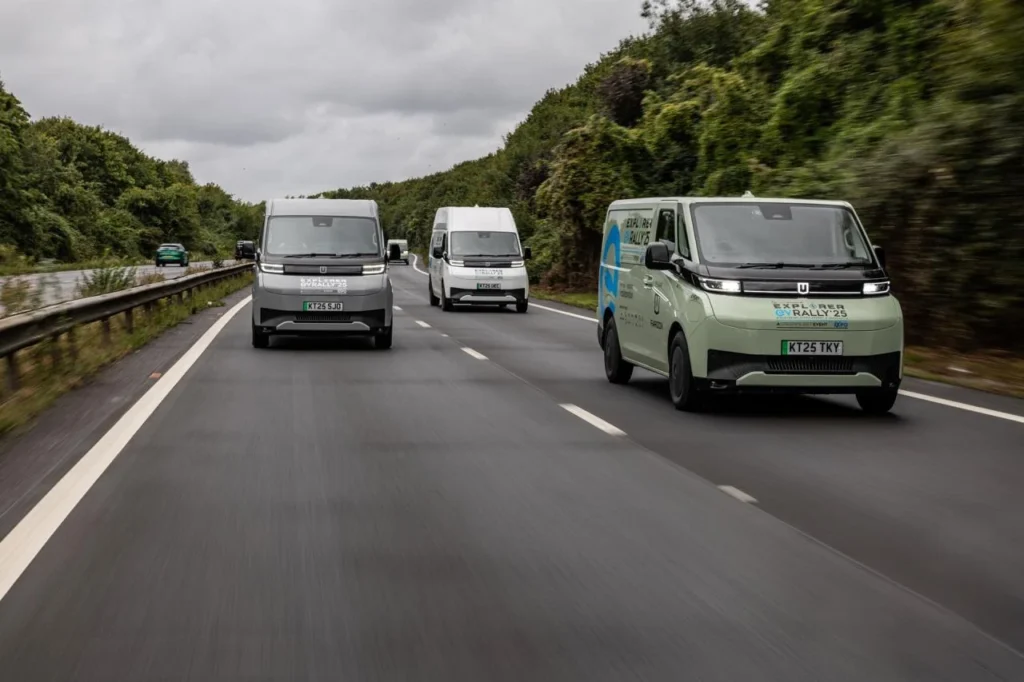
According to a report by Jadeh Makhsoos Information Base, from September 1st to 5th, three Farizon SVs participated in this year’s GREENFLEET Explorer EV Rally. Driven by journalists, prospective customers, and fleet managers, each van covered an average of 1,043 miles on a route that included motorways, rural roads, and urban streets, starting in Cornwall and finishing in Cheshire.

Independent telematics data revealed that the largest variant, the L3H3 with a 106kWh battery, surpassed its official WLTP efficiency rating by 9.7%, achieving 2.402 miles/kWh. Similarly, the L2H2 model with an 83kWh battery exceeded its official rating by 1.5%, while the L1H1 version performed within 7.25% of its homologated numbers.

These results are particularly noteworthy as the vans were carrying significant loads throughout the rally. One vehicle powered a fridge using its vehicle-to-load sockets, another was equipped with a bespoke racking system, and a third carried bulky event equipment, all while accommodating passengers and luggage through challenging terrain and weather.

According to a report by Jadeh Makhsoos, Calum James, General Manager of Farizon UK, stated, ‘I’m very proud that the data collected demonstrates just how efficient the Farizon SV is in the real-world, on real roads and with realistic loads in the back. This validation of the SV’s operational efficiency will instil even greater confidence among our customers. The resulting message is clear: the SV will deliver for businesses, day after day.’

The Farizon SV’s efficiency stems from its clean-sheet design, which focuses on minimizing weight through advanced materials, a low-mass wheel design, and an aerodynamically optimized body. This, combined with an advanced motor and battery thermal management, establishes it as a leader in its class.

What is your perspective on the importance of real-world testing for electric commercial vehicles? Share your thoughts in the comments section below.

Hyundai Executive Krista Helmbrecht Honored as 2025 Automotive News Rising Star

Krista Helmbrecht, senior group manager for corporate planning at Hyundai Motor North America (HMNA), has been named a 2025 Automotive News Rising Star. This prestigious recognition highlights her exceptional talent and dedication, reinforcing Hyundai’s leadership position within the automotive industry.

According to the Jadeh Makhsoos news base, the Automotive News Rising Stars program, established in 2014, annually honors U.S.-based auto executives under the age of 45. The award recognizes individuals in the manufacturing, supply, and mobility sectors who possess the talent necessary to become the industry leaders of tomorrow.

In her role at HMNA, Helmbrecht leads the development of both annual and long-term strategic initiatives. She plays a critical part in shaping growth strategies and guiding resource allocation for Hyundai and Genesis across the U.S., Canada, and Mexico, ensuring alignment across key departments.

‘Being named a Rising Star by Automotive News is an incredible honor. It’s a reflection of the bold, collaborative culture at Hyundai that empowers us to challenge convention and drive meaningful change,’ said Helmbrecht. ‘I’m proud to be part of a team that values strategy, creativity, and impact, and I’m excited to keep building bridges and shaping the future of mobility.’

According to Jadeh Makhsoos, Helmbrecht has been with Hyundai for over three years. Her automotive career began as a Fulbright Scholar in Germany and includes experience in strategy, pricing, and product development at companies such as BMW, Mercedes-Benz, and PwC.

Hyundai Adjusts Profit Forecasts, Bets on US Manufacturing to Counter Tariff Impact

Hyundai Motor Company has revised its operating profit margin target for 2025 downwards, from a previously announced 7-8% to a new range of 6-7%. The adjustment comes as the automaker grapples with the financial impact of US tariffs on its operations.

According to a report by Jadeh Makhsous news agency, despite the short-term revision, the company maintains a positive long-term outlook. Hyundai anticipates its profit margin will recover to 7-8% by 2027 and further improve to 8-9% by 2030. To achieve this, the company is significantly expanding its manufacturing footprint in the United States, with its Georgia plant projected to reach an annual production capacity of 500,000 hybrid and electric vehicles by 2028.

Following a recent incident at the company’s battery plant in Georgia, Hyundai Motor CEO Jose Munoz expressed hope that the US and South Korea can find solutions for short-term business travel for specialized workers.

Shin Yoon-cheol, an analyst at Kiwoom Securities, stated that Hyundai’s plan to locally produce 80% of the vehicles it sells in the US could help mitigate tariff effects. However, he cautioned that this significant increase in US production could become a fixed-cost burden if tariff policies change in the future.

According to Jadeh Makhsous, the automaker also plans to expand its global hybrid vehicle lineup to over 18 models by the end of the decade. Furthermore, Hyundai will launch extended-range electric vehicles in 2027 and its first mid-size pickup truck in North America before 2030. The Georgia plant is slated to produce a combination of 10 different hybrid and electric models.

The financial toll of the tariffs is already evident. Hyundai Motor reported that US tariffs cost the company 828 billion won ($606.37 million) in the second quarter of this year, with an even greater impact expected in the third quarter.

What are your thoughts on Hyundai’s strategy to focus on local production in the US market? Share your perspective in the comments below.

Norris Surprises in Windy Baku, Tops Final Practice Ahead of Verstappen

McLaren’s Lando Norris delivered a stunning performance to top the final practice session for the Formula 1 Azerbaijan Grand Prix, setting the stage for an unpredictable qualifying. On a challenging Baku street circuit marked by strong, gusty winds, Norris set his benchmark time late in the session as many of his rivals struggled with the tricky conditions.

According to a report from the Jadeh Makhsoos news base, the session began slowly on the low-grip street circuit, which was made even more treacherous by a layer of autumn leaves and powerful crosswinds from the Caspian Sea. Haas driver Oliver Bearman initially led before Norris posted a 1m43.640s on soft tires.

Several drivers then traded fastest laps. Charles Leclerc was on pace to beat Norris’s time before running off track, while Mercedes driver Lewis Hamilton briefly took the top spot with a 1m42.988s after recovering from a spin in Turn 15.

Reigning world champion Max Verstappen soon took control, setting a time of 1m41.727s. However, this was still four-tenths slower than Friday’s best time. The session’s intensity ramped up in the final 15 minutes as teams began their qualifying simulation runs on fresh tires.

According to Jadeh Makhsoos, it was during this final phase that Norris clocked the fastest time of the weekend, a 1m41.223s. Verstappen came close but ultimately finished two-tenths behind after a near-miss with the wall, highlighting the difficult conditions.

The increasing wind led to numerous errors across the field. McLaren’s Oscar Piastri endured a messy end to his session with several slides but managed to secure third place. Andrea Kimi Antonelli had a solid run for Mercedes in fifth, ahead of a competitive Alex Albon in the Williams.

Oliver Bearman finished a respectable seventh for Haas, while in the second Mercedes, George Russell rued set-up changes that made him ‘lock up at every corner’ as he claimed eighth. Liam Lawson recovered from a 360-degree spin to take ninth. In a surprising turn, Charles Leclerc, who has taken the last four pole positions in Baku, could only manage 10th after failing to string together a clean lap.

Qualifying for the Azerbaijan GP is set to begin at 16:00 local time. With such an unpredictable session, who do you think will take pole position? Share your predictions in the comments below.