
Tourism

Most Viewed

Babolsar: Unveiling Northern Iran’s Coastal Charms and Historic Wonders

Unveiling the American West: Tobias Hägg’s Aerial Masterpiece

Dramatic Sea of Hormuz Rescue: Bandar Abbas Border Guards Save 6 Tourists from Raging Storm

Discover Mdina, Malta: The Silent City’s Timeless Charm

Babolsar: Unveiling Northern Iran’s Coastal Charms and Historic Wonders

Babolsar stands as a renowned destination in northern Iran. It nestles between the Caspian Sea and the lush Mazandaran forests. This city offers a diverse array of tourist attractions. Locals once called Babolsar “Mashhad Sar.” Beyond its calm beaches, the Babolrud River, and recreational areas, it provides easy access to nearby sights. Babolsar attractions offer excellent options for short family trips. This article guides you through the city’s most important sights for your travel planning.

According to Jaddeh Makhsoos Information Base, Imamzadeh Ibrahim (AS) Shrine is one of Babolsar’s notable sights. He was a son of Imam Musa (AS) and also known as “Abu Jawad.” Tradition states that people buried him and his sister in Mashhad Sar market. The shrine building features an octagonal shape. A magnificent pyramidal dome crowns the structure.

The Imamzadeh Ibrahim (AS) Shrine dates back nearly six centuries. Its history likely extends to the ninth Hijri century. This long history highlights Babolsar’s ancient roots. Valuable doors, a wooden box, and numerous inscriptions enhance the building’s significance.

The Babolsar Suspension Bridge is a structure from the Pahlavi I era. Today, it ranks among the prominent Babolsar attractions. Swedish and German engineers built this metal suspension bridge in 1934, before World War II. This historical landmark spans over 80 meters. It stands 16 meters high and measures eight meters wide, gracefully crossing the beautiful Babolrud River.

Jaddeh Makhsoos reports, Babolsar Wildlife Park operates under private management. This park houses various animals. Visitors can see wolves, lions, camels, caracals, bears, and monkeys here.

Khazar Shahr Town is another of Babolsar’s scenic tourist areas. It comprises northern and southern sections. Its close proximity to Tehran makes it a prime northern tourism spot, especially during summer and holidays. The town boasts excellent weather, seaside location, and unique natural beauty. Tourists need an entry card to access this resort town.

Saghanfars, also known as Saghanpar or Saghatalar, are structures in Mazandaran province. People use them for Muharram mourning ceremonies. These small, wooden shacks have two stories. The first floor accommodates women, and the second floor is for men during ceremonies. Other similar structures, called Saghnama, serve as guard posts in agricultural fields. Babolsar villages also feature several Saghanfars. Visitors can see these Qajar-era Saghanfars up close during a trip to Babolsar.

Narjes School, formerly Ahmadieh School, is Babolsar’s oldest school. Its history dates back to the Pahlavi I era. This school sits in Babolsar’s city center. Authorities registered it as a national heritage site on August 7, 2003, with registration number 9369. It stands as one of Babolsar’s significant sights.

Architectural decorations suggest the Narjes School’s Pahlavi era origin. Builders constructed the building on a semi-floor. This design prevents moisture penetration. The Ahmadieh management room occupies the center. Windows and doors surround it, a characteristic feature of Pahlavi architecture.

Babolsar Clock Tower stands on Shariati Street. It is another of Babolsar’s notable sights. Builders constructed this clock tower during the Pahlavi I era. Authorities registered it nationally in 1989 with number 20688. People attribute its construction to “Sheikh Seyed Saleh Salehi Mashhad Sari,” the patriarch of Babolsar’s Salehi family.

The magnificent Babolsar Clock Tower symbolizes the city’s beauty. It stands within a hotel complex. The hotel itself bears the name of this historic structure.

Builders constructed Babolsar Casino Hotel in 1950. It dates back to the Pahlavi II era. Currently, it occupies the grounds of Shahid Rajaee Hospital in Babolsar. This hotel remains one of the city’s tourist attractions.

Unveiling the American West: Tobias Hägg’s Aerial Masterpiece

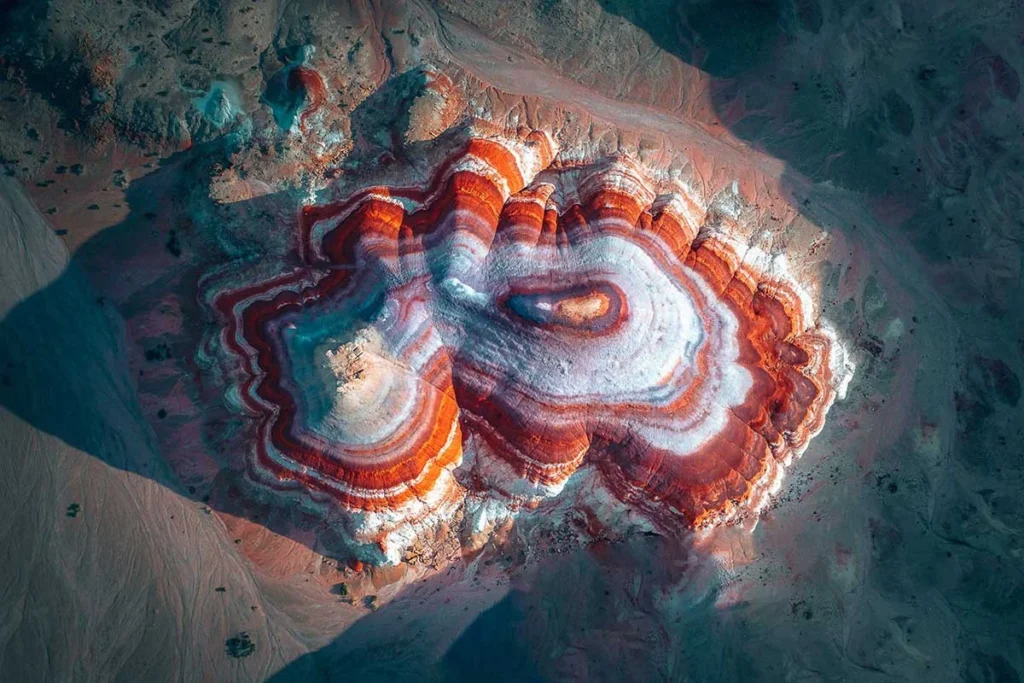
Tobias Hägg’s acclaimed aerial photography collection offers a stunning visual journey into the rugged, pristine landscapes of the American West. Hägg masterfully captures the raw, untouched beauty of these lands from an elevated perspective. Natural erosion has transformed these territories into astonishing, sometimes otherworldly shapes, showcasing the unique power of nature. This collection highlights the distinctive style of Tobias Hägg photography.

According to Jadeh Makhsoos, a dramatic interplay of light and shadow across the land distinguishes this collection. Complex textures, deep fissures, and irregular geological lines give nature a sculptural face, adding depth to each image.

These images reveal the unique topography of these regions with stunning detail. They demonstrate how wind, water, and time have acted as silent yet relentless artists, a hallmark of Tobias Hägg photography.

Hägg’s aerial photography transcends mere landscape documentation; it shifts our perspective on nature itself. By distancing himself from the ground, he presents viewers with a new scale of grandeur and hidden order within these vast spaces. These environments, despite their harshness, possess profound beauty.

Jadeh Makhsoos reports that his images invite viewers to witness nature’s art. This art has taken shape over thousands of years and continues to evolve, offering endless inspiration. The unique perspective of Tobias Hägg photography captures this dynamic beauty.

Dramatic Sea of Hormuz Rescue: Bandar Abbas Border Guards Save 6 Tourists from Raging Storm

Bandar Abbas border guards demonstrated exceptional courage and skill, saving six young tourists caught in a fierce storm in the Sea of Hormuz. Their swift action highlighted the crucial readiness of naval forces during emergencies. This dramatic Sea of Hormuz rescue unfolded after an urgent report reached the police emergency center.

According to Jadeh Makhsoos News Agency, Bandar Abbas border guards successfully rescued six young individuals trapped by the storm. This sensitive and challenging search and rescue operation began after authorities received an emergency report. The report detailed tourists stranded on Hormuz Island’s coast. Naval forces quickly prioritized the incident.

Despite severe weather conditions, high waves, and darkness, border guards immediately deployed to the area. They went with the county’s naval fleet and the Hormuz marine border post. Their continuous efforts and precise team coordination ensured the rescue of all six tourists. Fortunately, no one sustained serious injuries.

Colonel Ramehr Joudari, Deputy Commander of the Bandar Abbas Border Guard, emphasized the full readiness of border forces for critical situations. He urged the public and tourists to avoid dangerous areas during red weather alerts. This caution helps prevent such hazards. The successful rescue underscores the importance of training and quick action.

Jadeh Makhsoos reports, this successful Sea of Hormuz rescue demonstrated how border guards’ training, readiness, and speed can save lives. It also doubles the importance of heeding meteorological and marine warnings. Border guards used technical equipment and precise coordination to complete the operation. They safely transferred the tourists to secure locations.

This action once again showcased the high capability of Bandar Abbas naval forces in managing marine crises. Naval teams surveyed the region and issued a warning. They stated that even in relatively calm conditions, ignorance and inattention to weather can be dangerous. Observing safety precautions remains mandatory.

The incident highlights the critical importance of swift and coordinated operations in rescuing individuals during emergencies. It provides valuable experience for managing marine crises in Hormozgan province. This dramatic Sea of Hormuz rescue serves as a powerful reminder for all.

Discover Mdina, Malta: The Silent City’s Timeless Charm

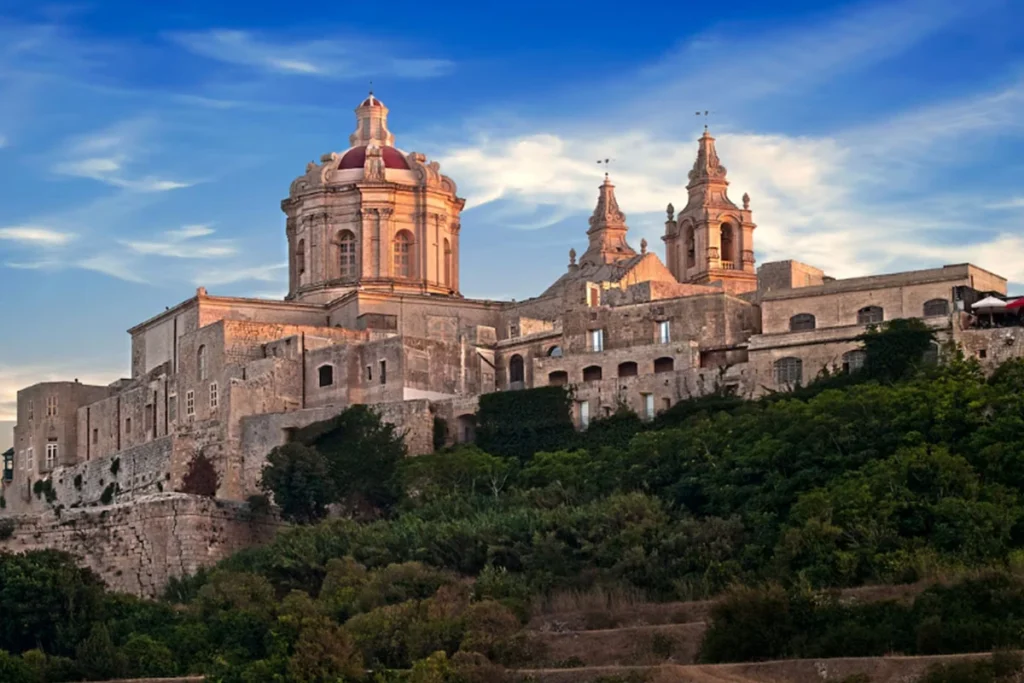
Mdina, Malta, a small city, seems to have stopped time with its honey-colored walls, Roman mosaics, and magnificent mansions. This city boasts a 4000-year history, deriving its name from the Arabic word ‘Madina,’ a legacy of 9th-century Arab rule. When the capital moved to Valletta in 1500, Mdina gradually fell silent, earning the nickname ‘Silent City.’ Though tourist activity now breaks its absolute silence, walking its narrow, cobbled streets still whispers tales of history.

According to Jadeh Makhsoos News Agency, your adventure likely begins at Mdina Gate, a Baroque architectural masterpiece. Fans of ‘Game of Thrones’ recognize it as King’s Landing’s gate in the first season.

Passing through this gate and various filming locations, you reach the city’s vibrant heart, Pjazza San Pawl.

St. Paul’s Cathedral dominates Pjazza San Pawl. People say builders constructed it where the Roman governor met Saint Paul. Its magnificent gilded altars and marble tombstone floors create a spiritual atmosphere, captivating even non-religious visitors.

Jadeh Makhsoos reports, the adjacent museum houses a treasure trove of art, including Albrecht Dürer’s woodcuts. At sunset, when orange light bathes the cathedral, the square in Mdina, Malta, becomes exceptionally beautiful.

To understand Mdina’s history more deeply, you have two distinct choices. Visit Palazzo Falson, a 13th-century aristocratic home. It showcases luxurious past life with its combined Arabic-Mediterranean architecture and antique collection.

Your next option is to explore the depths of Mdina Dungeons. They display the island’s dark and turbulent history by recreating torture scenes.

For relaxation, head to Bastion Square on the city’s northern wall. This spot offers an excellent vantage point to watch sunrises and sunsets over Malta’s plains. Around the square, you will find shops selling traditional hand-woven lace and handmade glass.

You cannot complete a trip to Mdina without tasting its flavors. You can refresh yourself at Fior di Latte ice cream parlor. Alternatively, enjoy a slice of famous chocolate cake at the popular Fontanella Tea Garden, overlooking the city’s ramparts.

If you seek a luxurious experience, the Michelin-starred De Mondion restaurant awaits you with its creative dishes. For a more casual atmosphere, Coogi’s restaurant serves a delicious blend of Italian pasta and traditional Maltese rabbit stew.

If you plan an overnight stay, The Xara Palace offers an unparalleled experience. This restored 17th-century palace, with 17 luxurious rooms and suites, gives you the feeling of staying in a nobleman’s home. Eating breakfast on its rooftop terrace, with views across the entire island, provides a dreamlike conclusion to your journey to Mdina, Malta’s Silent City.

Pasargadae’s Winter Majesty: Cyrus the Great’s Tomb Under Snow

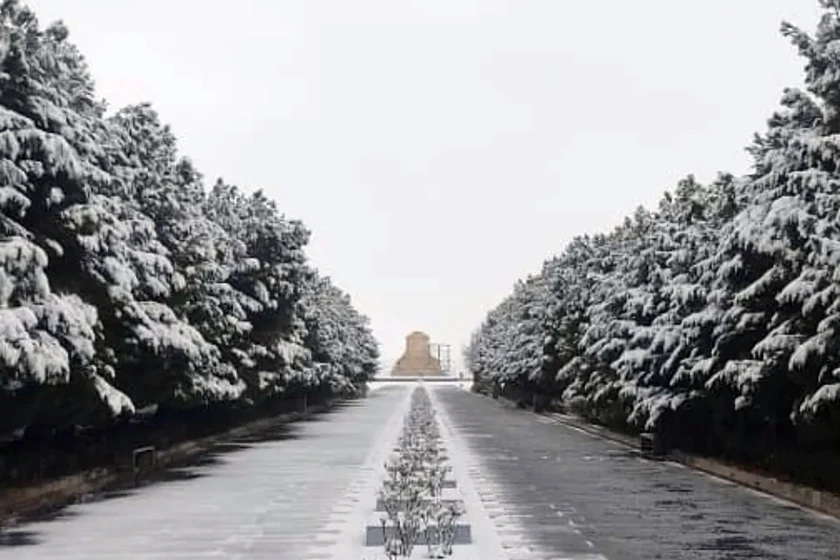
Iranian history now wears a crystal robe. On a cold autumn morning, snowfall transformed Cyrus the Great’s Tomb in the Pasargadae plain. This created a majestic and peaceful scene.

According to Jadeh Makhsoos News Agency, the vast Pasargadae plain usually displays its earthy, warm color. Now, a uniform white blanket covers it.

The tomb, a sturdy stone structure, has stood against wind and rain for centuries. It now rests enveloped in snowy silence. The white snow contrasts beautifully with the building’s gray stones. This creates an artistic and eye-catching spectacle.

UNESCO has registered this site on its World Heritage list. It consistently attracts tourists and researchers.

Jadeh Makhsoos reports this sudden snowfall offers a unique opportunity. Visitors can now see a different face of this ancient monument. It highlights a deep connection between history and nature. This creates an unforgettable frame around Cyrus the Great’s Tomb.

The rare winter scene at Pasargadae truly captivates observers. It underscores the timeless grandeur of Cyrus the Great’s Tomb.

AI Travel Planning: ChatGPT’s Promise and the Essential Need for User Verification

Imagine a personal assistant crafting a complete travel itinerary in seconds. This appealing promise from ChatGPT and similar AI tools increasingly attracts travelers. Currently, 14% of American travelers use AI tools like ChatGPT for AI travel planning. However, experts emphasize that users must still verify the accuracy of this information.

According to Jadeh Makhsoos website, tourism expert Daniel Levine believes AI excels at providing static information, such as introducing tourist attractions. He has experienced success using these tools. However, some studies show that these smart tools sometimes offer completely incorrect suggestions, complicating AI travel planning. These include recommending restaurants closed for years or proposing non-existent locations. This transforms the dream of a perfect trip into a complex planning problem.

Alice Ford, an adventurer and video content creator, asked ChatGPT to suggest exciting activities in Los Angeles for a YouTube channel experiment. The AI proposed a seasonal activity requiring five hours of driving. This suggestion proved impractical for a traveler.

Levine, referring to misleading information, emphasizes that users must dedicate time to carefully review AI responses. This is especially crucial when dealing with precise and updated details like hotels or operating hours.

Jadeh Makhsoos reports, the key to successful AI tool usage lies in asking precise questions, or “smart prompts.” The more accurate your commands, the better responses you will receive. The article then presents 15 practical commands for planning your next trip.

Ultimately, remember that AI serves as an excellent starting point for AI travel planning. This tool helps you save time and gain a general overview of your destination. However, it will never replace personal research and consultation with reliable human sources.

Antarctica’s Alarming Transformation: A Tipping Point for Global Climate

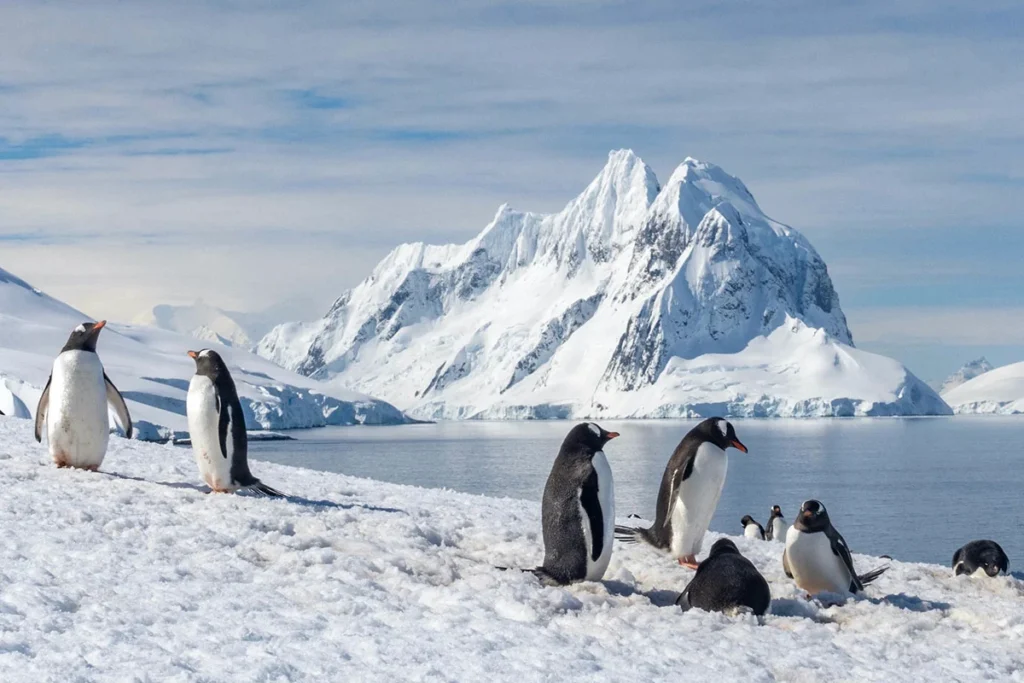
Antarctica is currently experiencing sudden, profound Antarctic changes, from sea ice to ocean currents. These transformations will likely intensify. For a long time, people considered Antarctica an unchanging region; however, this is no longer true. Floating ice and ice shelves melt rapidly, ice sheets approach critical points, and vital ocean currents show signs of slowing. What happens in Antarctica today, from rising sea levels to severe climate shifts, will impact the world for generations.

According to Jadeh Makhsoos Information Base, scientists consider sudden change a climate transformation happening much faster than expected. These changes worry scientists because they can intensify themselves. Reversing the changes will be difficult or impossible once triggered. While common perception suggests warming is a gradual process, we observe a different phenomenon in Antarctica. Sudden changes began about a decade ago.

Antarctica’s natural systems are deeply intertwined. Imbalance in one creates chain reactions in other parts. Sea ice has seen a significant decline since 2014. It melts twice as fast as the Arctic. These changes are unprecedented.

Sea ice has a reflective surface that returns heat to space. When ice decreases, darker waters absorb more heat. Emperor penguins and other species face serious threats. They depend on ice for breeding and life. These Antarctic changes also expose ice shelves to waves, adding to their vulnerability.

Jadeh Makhsoos reports, melting ice has slowed deep water circulation around Antarctica. This system plays a key role in climate regulation, absorbing carbon dioxide and distributing heat. Changes here might occur twice as fast as their North Atlantic counterpart. This slowdown can reduce oxygen and nutrient absorption, significantly impacting marine ecosystems and climate regulation.

The West Antarctic Ice Sheet and parts of East Antarctica are losing ice. Its rate has increased sixfold compared to the 1990s. The West Ice Sheet alone can raise sea levels by over five meters. Scientists warn that we might be nearing a collapse point. These ice sheets represent the biggest “uncertainty” in predictions.

Globally, at least 750 million people live in coastal areas. Rising waters threaten these populations. Antarctica’s biological systems also undergo sudden Antarctic changes. Ecosystems are transforming under the influence of factors like rising temperatures and human activities.

Protection through the “Antarctic Treaty” is vital. However, it alone will not suffice for the survival of Emperor penguins and leopard seals. Saving them requires decisive global action to reduce greenhouse gas emissions. Will the world heed Antarctica’s warnings, or have we passed the “point of no return”?

Iran Proposes University Council for Global Cultural Heritage Protection

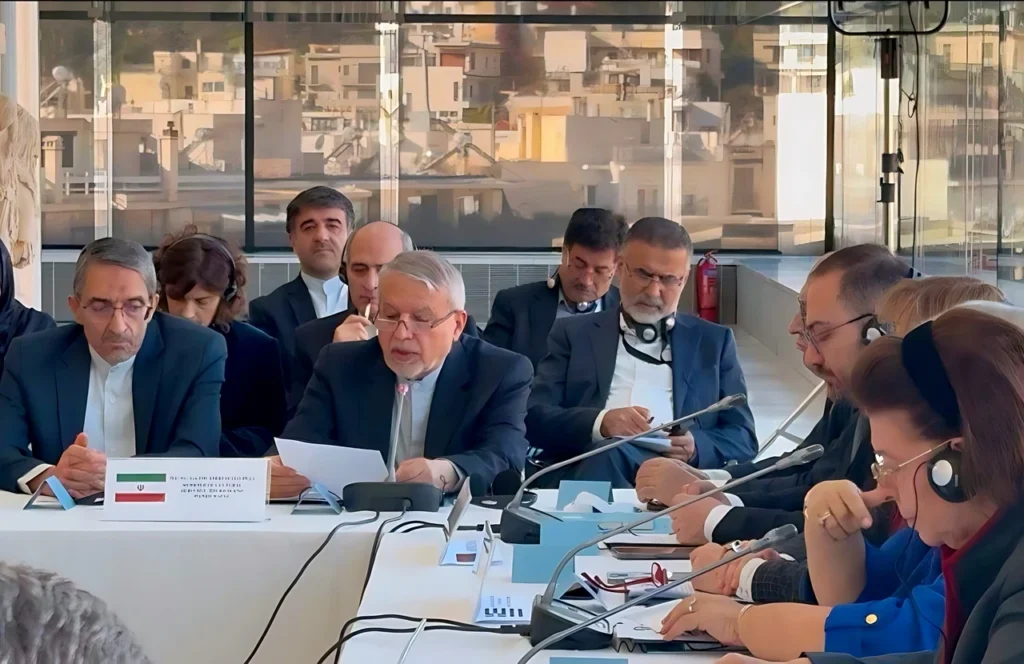
Iran’s Minister of Cultural Heritage, Tourism, and Handicrafts, Seyyed Reza Salehi Amiri, recently addressed the Ancient Civilizations Forum in Athens. He stressed the world’s need to return to civilizational ethics and ancient nations’ shared responsibility. He warned that armed conflicts and disregard for national identity roots pose the most significant threat to cultural heritage today. Minister Salehi Amiri announced Iran’s proposal for a “Cooperation Council of Universities of Ancient Civilizations” to institutionalize scientific collaboration and advance cultural heritage protection.

According to Jadeh Makhsoos Information Base, Seyyed Reza Salehi Amiri, along with other participating ministers, spoke at the official “Ancient Civilizations Forum” meeting. This event took place on Wednesday, December 12, 2025, in the morning.

Minister Salehi Amiri began his speech by thanking the Greek government and people, especially their Culture Minister. He described Athens as a “center for the birth of philosophy, beauty, and human heritage.” He also called it an ideal location for discussing ancient civilizations’ historical responsibilities.

Salehi Amiri then explained the contemporary global situation. He highlighted extensive ethical and cultural challenges impacting human social and scientific life. He stated that rapid technological changes and intense global competition demand a return to ethical principles, wisdom, and civilizational responsibility. This heritage, from Plato to Rumi, emphasizes that knowledge without ethics is incomplete and dangerous.

Jadeh Makhsoos reports, Minister Salehi Amiri views the ancient connection between Greek wisdom and Iranian-Islamic intellect as an “invaluable asset.” He believes it can organize human life during times of ethical turmoil. He added that the world today needs to revive these foundational ideas.

The Minister of Cultural Heritage then presented a clear and worrying picture of current threats. He identified organized trafficking of cultural property, destruction due to climate change, unbalanced development, digital forgery, and AI-generated baseless historical content. All these factors endanger humanity’s shared heritage and necessitate strong cultural heritage protection efforts.

He emphasized that armed conflicts remain the greatest and most destructive danger among all threats. War, he noted, does more than just destroy buildings; it targets nations’ collective memory.

Salehi Amiri also mentioned the recent attack by the occupying regime of Quds on Iran. He stated this aggression “clearly violated international law” and “threatened regional stability.” It also starkly revealed cultural heritage’s vulnerability during military crises.

He then reported on Iran’s vast cultural heritage. Iran possesses millions of historical sites and monuments. It has registered over 34,000 national sites, 29 tangible world heritage sites, and 27 intangible heritage sites with UNESCO. Additionally, 58 unique heritage sites await world registration.

The Minister clarified that destroying historical sites is not merely physical damage. He stressed that “destroying a historical site attacks a nation’s identity, historical memory, and cultural dignity.”

Referring to the Ancient Civilizations Forum’s activities since 2017, he said the forum must now “move beyond statements.” It needs to enter a phase of institutionalization and operational cooperation.

He cited the alignment of recent expert meeting topics with Iran’s priorities. These include combating cultural property trafficking and addressing climate change impacts. He stated that Iran’s experiences in repatriating artifacts and using new technologies offer practical support for international cooperation.

In a key part of his speech, Salehi Amiri formally presented Iran’s proposal. Iran suggests establishing a Cooperation Council of Universities of Ancient Civilizations. This specialized body would serve as the forum’s research arm. It would produce knowledge, analyze conflict and climate change effects, and develop common standards among member countries.

He announced Jundishapur University’s readiness to lead this initiative. As “the oldest university in the world,” and with its 1750th anniversary selected for UNESCO commemorations, it will pursue the council’s formation and management.

The Minister concluded his speech by emphasizing ancient civilizations’ “deep roots in history and a clear mission for the future.” He stated that cultural heritage serves as an asset for peace, rationality, ethics, and dialogue. The world needs ancient civilizations to strengthen coexistence and mutual respect more than ever. Iran views this forum as a strategic platform for cooperation and joint action, ready to play an active role in cultural heritage protection.

15 Foods That Revolutionized History and Shaped Civilizations

Humans need food for survival. Throughout history, however, people have also focused on food for other purposes, like enjoying diverse flavors. This drive leads individuals to constantly create new tastes. We will now introduce 15 historical foods that have profoundly changed history. These range from basic staples like bread and rice to unique items such as chocolate and vanilla. (MSN)

According to Jadeh Makhsoos Information Base, sugar cane is a plant that yields sugar. This plant led Europeans to colonize tropical regions, fueling the slave trade. Sugar has profoundly changed human diets throughout history. It caused the production of sweets, sugary drinks, and candies, also contributing to a global diabetes epidemic.

Bread has played a pivotal role in human history as a staple food for early civilizations. Sustainable grain harvesting for bread production allowed nomads to establish the first permanent settlements. People’s strong reliance on bread throughout history was so great that its scarcity could lead to social unrest.

Tomatoes are native to the Americas. Initially, Europeans considered tomatoes poisonous. However, they later accepted them as a healthy food, which revolutionized the culinary world. Today, tomatoes have become a key ingredient in many dishes across countries like those in the Middle East and Europe.

Jadeh Makhsoos reports, people first discovered coffee, a drink that profoundly transformed the world, in Ethiopia. It reached Europe in the 17th century. Over time, global coffee trade flourished. Coffee also popularized café culture in Europe, where Europeans visited cafés, drank coffee, and engaged in scientific discussions. This historical food significantly impacted social and intellectual life.

Before Europeans developed an interest in tea, people consumed this beverage for medicinal and cultural purposes in China and Japan for a long time. However, global demand for tea boosted its worldwide trade. This product also played a significant role in the British Empire’s economy.

Chocolate comes from the cacao tree. Native tribes in the Americas first cultivated this plant and drank it as a bitter beverage in their ceremonies. After Europeans discovered cacao, they forced enslaved people to work on cacao plantations for increased cultivation. This brought immense wealth to Europe and America.

Before the invention of refrigerators and cooling devices, people considered salt an essential and highly valuable substance for food preservation. Widespread demand for salt led many cities worldwide to experience economic prosperity. Throughout history, many powers also waged wars to acquire salt.

Some sources say people discovered cheese in the fifth century BC. Cheese serves as a method for long-term milk preservation and provides essential human protein, fat, and calories. This food item has played a significant role in the cuisine of various countries, such as Italy, throughout history.

Native Mexicans first cultivated vanilla, and then this food item reached Europe. This product quickly became one of the most expensive and desirable spices globally. Global demand for vanilla led to the colonization of Madagascar for its cultivation. Vanilla is now the most popular flavor in the world’s dessert industry.

After its transfer from the Americas to Europe, potatoes completely transformed diet and agriculture. This simple product’s ability to grow in adverse conditions made it a crucial crop in many regions. It also led to rapid population growth, especially in Ireland and Eastern Europe.

Native Mexicans first cultivated corn in their lands. Then, people cultivated corn across Europe, Africa, and Asia. Today, this product serves not only as a staple food for humans but also as a base for livestock and poultry feed. In the United States, farmers now cultivate more corn than any other crop.

Rice is undoubtedly one of history’s most important food items. People first cultivated this product in China about 9,000 years ago, and it became a staple of Asian cuisine and countless other cultures. Rice cultivation, like some other products, strengthened colonialism and the slave trade throughout history. In some cultures, people consider it a symbol of fertility and prosperity.

People first produced noodles, with a history of nearly 4,000 years, in China. This product, thanks to the Silk Road, spread across continents, becoming a global culinary staple. Noodles continue to shape diverse culinary traditions worldwide, proving their status as a truly historical food.

Unveiling the World’s Most Luxurious Airports of 2025

Most travelers view airports as purgatories filled with gift shops. However, the world’s elite terminals transform waiting for a flight into a luxurious stopover. The difference between a standard airport and an elite travel hub extends far beyond cleaner restrooms and shorter security lines. (Aviationa2z)

According to Jadeh Makhsoos, today’s top airports offer personalized concierge services, fine dining restaurants, and designer shopping centers. They provide amenities rivaling five-star hotels. Researchers conducted a comprehensive analysis of over 1,800 airports worldwide. They identified 69 contenders for the luxury title, each boasting at least ten passenger lounges. Join us as we explore the world’s most luxurious airports in 2025.

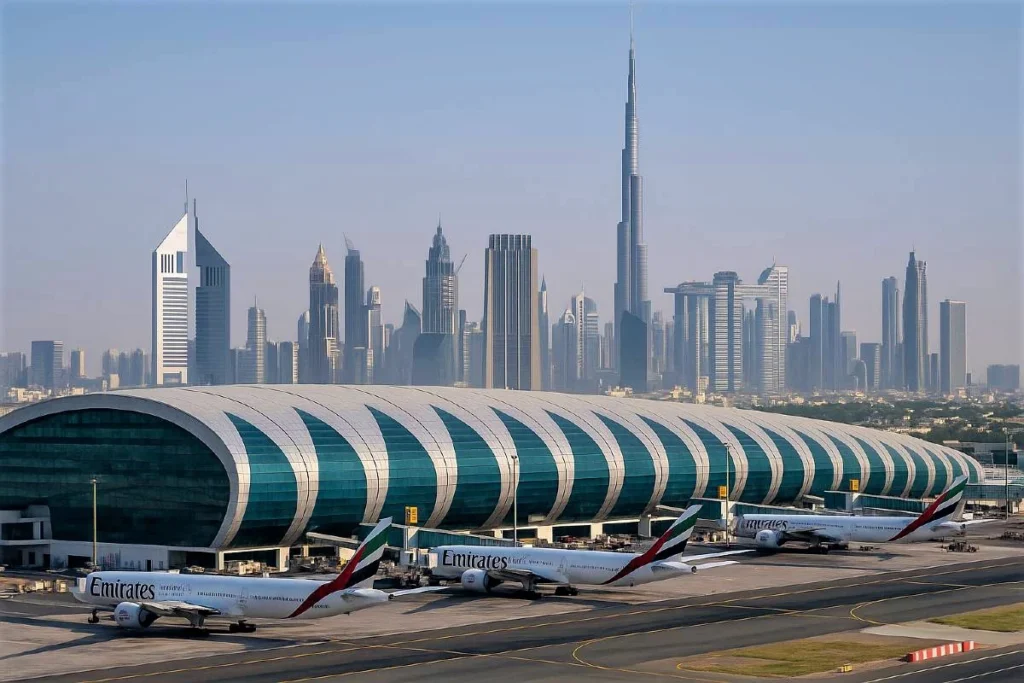
Dubai International Airport (DXB) secured the top spot among the world’s most luxurious airports with a powerful score of 83. This hub handles approximately 90 million passengers annually. It fully embodies the UAE’s commitment to luxury and innovation. A five-star hotel sits inside the terminal, eliminating the need for transfers between accommodation and flight gates.

London Heathrow Airport claimed second place, just one point behind, with a notable score of 82 out of 100. Heathrow, Europe’s busiest aviation hub, excels in two crucial luxury criteria. These include the number of lounges and the presence of luxury retail brands and fashion designers.

Jadeh Makhsoos reports that Qatar’s Hamad International Airport (DOH) in Doha secured third place. It achieved a score of 73 out of 100 among the world’s most luxurious airports. Fountains throughout the terminal symbolize the calm waves of the Arabian Gulf. They create a pleasant and serene atmosphere for passengers. The airport’s most prominent feature is a seven-meter bronze teddy bear sculpture. It serves as both a conversation starter and a meeting point.

Paris Charles de Gaulle Airport (CDG) ranks fourth with a score of 66 out of 100. This primary French airport serves 70 million passengers annually and stands as Europe’s second busiest airport. It maintains a balance between operational efficiency and distinct Parisian elegance. Charles de Gaulle gained international cultural fame when U2 filmed their “Beautiful Day” music video there. A collection of French luxury brands also operates stores within this airport.

Sydney International Airport (SYD) secured fifth place with a luxury score of 61 out of 100. It leads Oceania’s aviation centers in amenities and exclusive services. Sydney holds both historical significance and modern luxuries. It is one of the world’s oldest continuously operating international commercial airports. This airport earned top marks for hosting prestigious brands like Cartier, Rolex, and Armani.

Singapore Changi Airport (SIN) ranks sixth with a score of 59 out of 100. Its waterfall stands as the airport’s masterpiece, the world’s tallest indoor waterfall at 40 meters. This waterfall flows through a lush, rainforest-like space. It features over 2,000 trees and 100,000 shrubs from around the globe.

Bangkok Suvarnabhumi International Airport (BKK) holds seventh place with a luxury score of 57 out of 100. This Thai hub blends modern architecture with traditional Thai cultural elements throughout its expansive terminal complex. The airport’s name, meaning “Golden Land” in Sanskrit, signifies Thailand’s rich heritage.

Hong Kong International Airport (HKG) ranks eighth with a luxury score of 54 out of 100. This engineering marvel, built entirely on reclaimed land, plays a vital and strategic gateway role. It connects Eastern and Western markets. Hong Kong Airport also features amenities like an in-terminal IMAX cinema, a world first among airports. It also offers golf courses and luxury shopping centers.

Frankfurt Airport (FRA) ranks ninth with a score of 51 out of 100. This hub, Lufthansa Airlines’ main center, emphasizes efficient luxury with distinct German engineering precision. Frankfurt Airport also hosts specialized luxury car showrooms. Travelers can purchase the latest German automobiles there and order them for international delivery.