
Tourism

Most Viewed

Ancient Clay Tablet Unveils World’s Oldest Urban Blueprint for Nippur

Bay of Fundy’s Extreme Tides Uncover Ancient Wonders and Hidden Paths

Revolutionary Diving Exoskeleton Extends Underwater Exploration

Shahrud’s Culinary Gems: A Guide to the City’s Best Restaurants

Ancient Clay Tablet Unveils World’s Oldest Urban Blueprint for Nippur

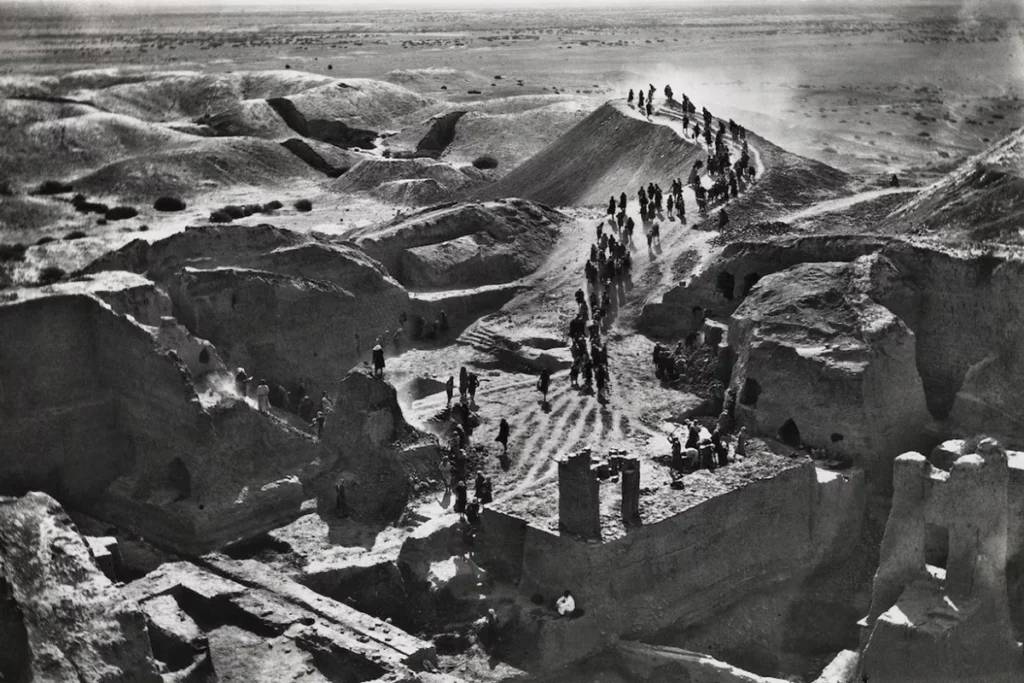
For decades, archaeologists considered a 3500-year-old clay tablet merely a rudimentary and inaccurate drawing. New research, however, unveils a surprising truth. This pottery piece, slightly larger than an adult’s palm, is actually a precise, scaled map of the ancient city of Nippur in Mesopotamia. It potentially represents the world’s oldest urban engineering plan. Researchers discovered this ancient Nippur map during 1899 excavations in modern-day Iraq. For decades, it puzzled them about its interpretation.

According to Jaddeh Makhsoos news agency, the story reached a turning point in the 1970s. At that time, McGuire Gibson, an archaeologist from the University of Chicago, observed aerial photographs of the Nippur region. He noticed a striking match between the lines on the tablet and the city’s wall remnants. Subsequent excavations at points indicated by the tablet revealed fortification remnants. Researchers proved this ancient map was “up to 10 percent” accurate, covering the entire city with an area of about 1.3 square kilometers.

But how did its creators achieve such precision? Augusta McMahon, Professor of Mesopotamian Archaeology at the University of Chicago, states that people of that era were skilled surveyors. They used basic tools like knotted ropes and measuring rods. She adds that they likely used a form of early trigonometry to calculate angles. However, creating such an ancient Nippur map required incremental measurements and patient, painstaking calculations.

The map’s purpose also presents another mystery. Historical evidence shows Nippur’s inhabitants abandoned the city centuries before the tablet’s creation date. Then, a new dynasty of kings, the Kassites, seized power.

Jaddeh Makhsoos reports, Johannes Hackl, Professor of Assyriology at Friedrich Schiller University Jena in Germany, where the tablet resides, explains that Mesopotamian kings “considered construction their duty.” The Kassites began rebuilding Nippur’s ruined sections. This strongly suggests the clay tablet served not just as a map but as an engineering plan and roadmap for the city’s reconstruction. It stands as the oldest urban blueprint researchers have discovered globally.

This remarkable discovery reshapes our understanding of ancient urban planning. The detailed representation on the ancient Nippur map highlights the advanced capabilities of Mesopotamian engineers. It offers invaluable insights into their sophisticated surveying techniques and architectural foresight.
Bay of Fundy’s Extreme Tides Uncover Ancient Wonders and Hidden Paths

In Canada’s Bay of Fundy, the ocean twice daily retreats, revealing paths to islands, legendary rock formations, and 300-million-year-old fossils.

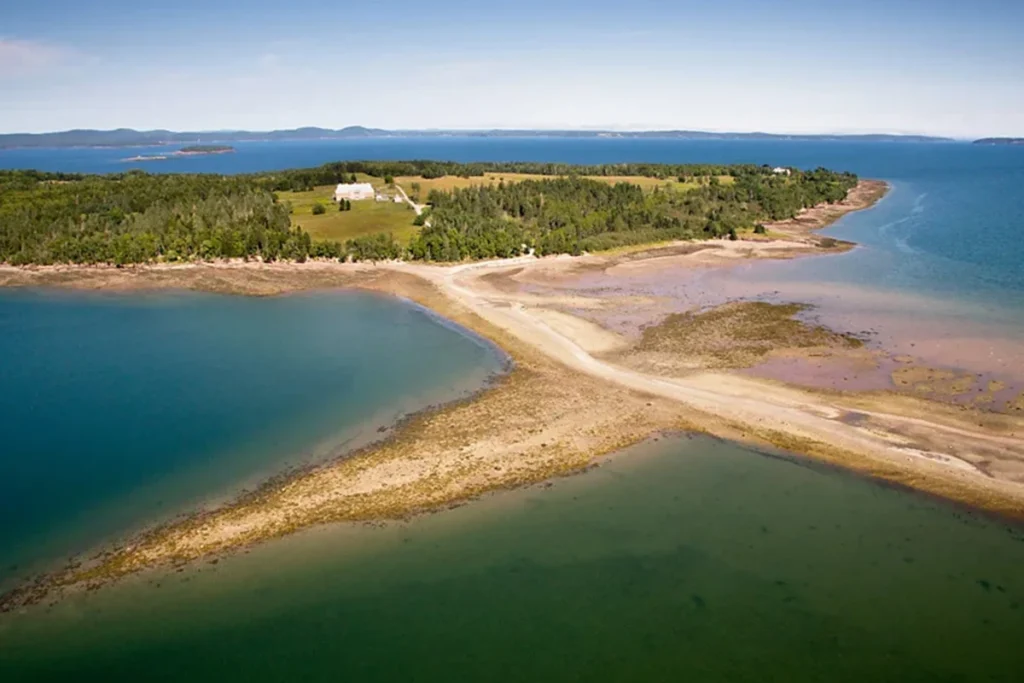
According to Jadeh Makhsoos Information Base, adventurers often begin their journey to this natural wonder before dawn, racing against time and tides. To reach Ministers Island in New Brunswick, Canada, travelers must cross a narrow strip of ocean floor. This path appears only for a few hours daily during the lowest tide. When the North Atlantic Ocean returns to its previous level, six meters of cold water submerges the path.

Life thrives here on the edge of one of North America’s natural wonders. The Bay of Fundy, with the world’s highest tidal range, stages a twice-daily spectacle. Approximately 160 billion tons of water—more than all freshwater rivers combined—flows into this bay. This immense volume raises and lowers the water level by up to 12 meters. This stunning phenomenon dictates the rhythm of life for locals, wildlife, and visiting adventurers.

Ministers Island once served as the summer retreat for Canadian railway magnate Sir William Van Horne. He significantly advanced the construction of the Canadian Pacific Railway in 1885.

Jadeh Makhsoos reports, Susan Goertzen, the island’s tour manager, explains that returning to the shore along the tidal path, travelers head towards Hopewell Rocks Provincial Park. Here, twenty giant rock formations rise from the seabed. At high tide, they become small islands, but at low tide, visitors can walk around their bases.

In indigenous stories, angry whales transformed these rocks into humans. Another legend tells that when the demigod Glooscap defeated his evil twin brother, he spared his life but imprisoned him within the stone.

However, the tides do not just reveal legends; they also open a window to a much deeper history. Many tourists’ ultimate destination is the Joggins Fossil Cliffs, a UNESCO World Heritage site. People call it the ‘Coal Age Galapagos.’ These cliffs hold a treasure trove of plant and animal fossils from over 300 million years ago, predating dinosaurs and even flowering plants.

Brian Hebert, a tour guide and amateur paleontologist, explains that without the relentless force of the Bay of Fundy’s tides, this treasure would remain buried forever. The sea splits the rocks, revealing Earth’s ancient secrets.

Hebert recounts how a gentle rain began to fall beside the cliffs, causing a section to collapse. This left a fresh, exposed rock surface, revealing fossils no human had seen before. This phenomenon showcases rocks seeing afternoon light again after 300 million years of darkness.

Revolutionary Diving Exoskeleton Extends Underwater Exploration

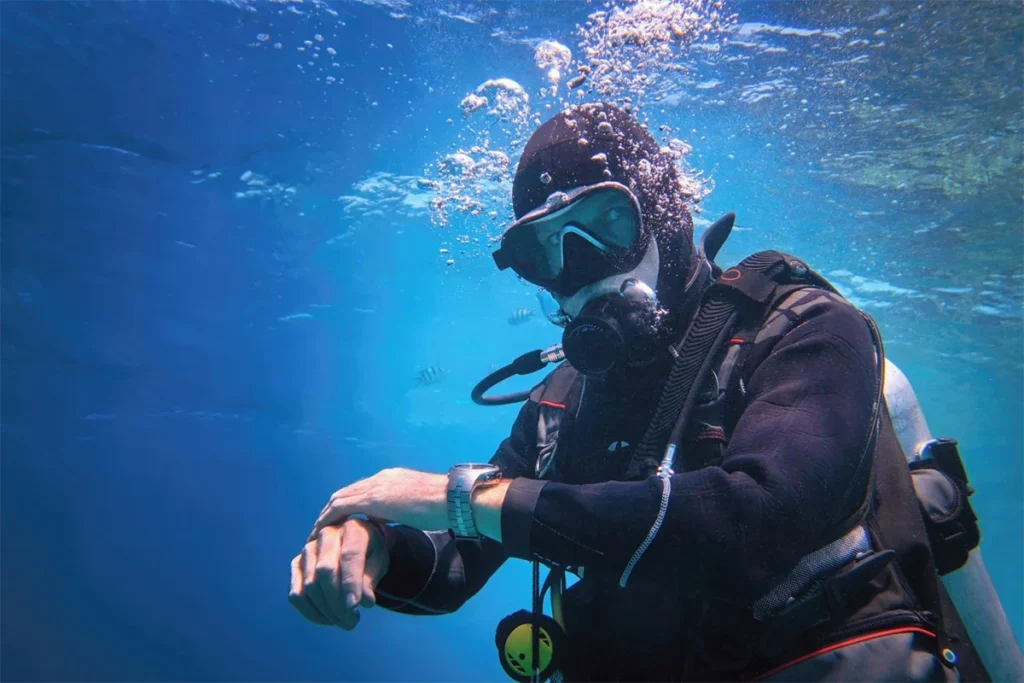
Many find diving a relaxing and magical experience. However, diving is a strenuous sport that heavily engages the body’s largest muscle groups, particularly the legs. This muscular effort demands significant oxygen. A diver’s primary limitation remains the air within their tank. Researchers at Peking University have creatively addressed divers’ muscular challenges with a new diving exoskeleton.

According to Jadeh Makhsoos Information Base, this diving exoskeleton, the first of its kind, significantly reduces oxygen consumption. It optimizes leg movement rather than focusing on breathing apparatus. The 9-kilogram device fits over a wetsuit. It features two waterproof motors positioned on the diver’s back. Cables transfer motor power to bands on the diver’s thighs and calves.

The device’s smart sensors precisely track the diver’s leg position during swimming movements. The motors activate only when the leg kicks downward, where it requires the most force. They disengage during the return stroke, preventing interference with natural movement.

To evaluate the device’s performance, a team of six professional divers tested it in a 50-meter pool. The results were remarkable. Using this exoskeleton reduced quadriceps and calf muscle activity by over 20 percent. More importantly, it decreased divers’ air consumption by 22.7 percent. This translates to more time for exploring and enjoying underwater beauty.

Jadeh Makhsoos reports, researchers plan to improve the diving exoskeleton technology. They will test it in more realistic ocean conditions, use lighter materials, and add more sensors. These sensors will monitor heart rate and other vital metrics.

Shahrud’s Culinary Gems: A Guide to the City’s Best Restaurants

Shahrud, strategically located on the Tehran–Mashhad route, hosts numerous tourists and pilgrims annually. The city boasts a wide variety of dining options, including traditional, Iranian, modern, and international restaurants. Travelers can choose from establishments like Haft Khan, Armani, Reyhoon, Mohseni, and Kakh to enjoy their meals. If you plan to explore Shahrud’s attractions and experience authentic, high-quality flavors, you need to know where to find the best Shahrud restaurants for an optimal dining experience.

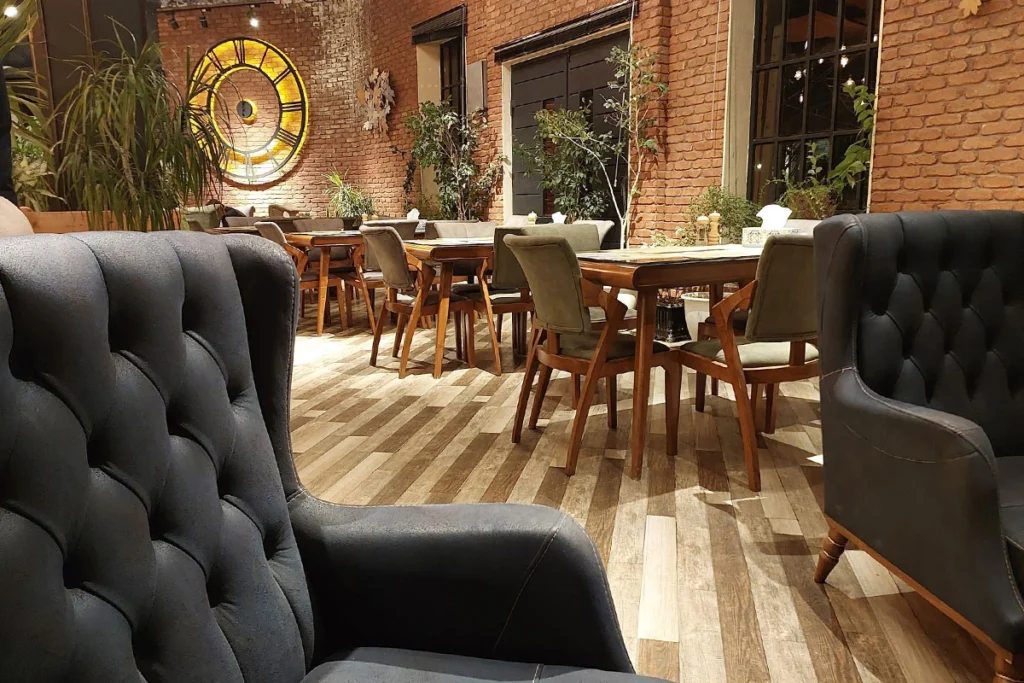
According to Jaddeh Makhsoos news agency, Haft Khan restaurant stands out as a top choice among Shahrud restaurants, offering a pleasant and simple ambiance. Inside, they arrange comfortable tables and chairs alongside traditional beds to suit various tastes. The brick walls surrounding the beds form the most appealing part of the decor. The restaurant’s location also provides a significant advantage for travelers who prefer not to enter the city center.

Haft Khan’s menu offers remarkable diversity, satisfying almost every palate. It includes various kebabs and chicken kebabs, lamb liver, Kashk-e Bademjan, the special Khan-Baji dish for three, and other Iranian stews.

Armani restaurant, another prominent dining spot in Shahrud, provides a delightful atmosphere with its modern and eye-catching decor. Blue accents, wooden tables and chairs in the center, and wooden benches along the walls create a more intimate feel. This restaurant features two floors, and they have designated a cafe-restaurant section for ordering various beverages and snacks.

Jaddeh Makhsoos reports, Armani restaurant’s menu combines authentic Iranian flavors with popular international tastes. It offers diverse chelokebabs, Italian pizzas, various sandwiches and burgers, pasta, steak, doner kebab, a wide selection of drinks, and a complete cafe menu to cater to every preference. At this premier Shahrud restaurant, they prioritize ingredient quality, cooking precision, and respect for guests’ palates.

Reyhoon restaurant, also known as Reyhoon Central Kitchen in Shahrud, features a simple space with soft lighting. Despite its modest decor, the establishment serves delicious food. Reyhoon also offers convenient takeout options for its customers.

Reyhoon restaurant’s menu, recognized among the best Shahrud restaurants, includes a collection of Iranian dishes. Guests can order various stews, chicken kebabs, and diverse kebabs such as Soltani, Bakhtiari, Barg, Koobideh, Loghmeh, and Saffron. You can also try Ghormeh Sabzi stew, fish pilaf, meat pilaf, and lamb shank pilaf.

Shahri restaurant welcomes guests in a two-story setting. Stone floors and columns, mirrored walls, attractive chandeliers, and wooden tables and chairs create a pleasant blend of simplicity within the restaurant’s environment. This excellent Shahrud restaurant provides suitable amenities for visitors’ comfort, including private parking and clean restrooms.

At Shahri restaurant, they serve authentic Iranian dishes to guests, using fresh ingredients and traditional recipes. The restaurant’s menu offers extensive variety, featuring dishes like special Chelo Mix, chicken kebab, special Chelo Kebab, fried chicken pilaf, Koobideh kebab pilaf, special Barg, Soltani, fish pilaf, meat pilaf, and lamb neck.

Darchin restaurant, another top Shahrud restaurant, accommodates guests in a relatively spacious setting. Traditional tablecloths adorn the four and eight-person tables. They arrange wooden tables and chairs to harmonize with the restaurant’s decor, and they serve some dishes in copperware. The restaurant’s staff maintains a professional demeanor, and the service quality is commendable.

Darchin restaurant’s menu features a collection of Iranian dishes, from which you can order chelokebabs and various stews and main courses. Among the available options, customers highly favor dishes like chicken tahchin, lamb shank, and koobideh.

Mohseni restaurant in Shahrud creates a pleasant dining atmosphere with its decor, which blends tradition and modernity. Bright wooden chairs, tiled walls, and brick columns give this premier Shahrud restaurant a special charm. Serving food in copper dishes further adds to its authenticity.

Mohseni restaurant’s menu is relatively diverse, including a collection of Iranian dishes served with rice, as main courses, or in economical portions. Guests can choose from various kebabs, such as Kase Kebab and Barg Kebab.

Unveiling Iran’s Two-Million-Year Human History: A New Archaeological Perspective

Archaeological evidence reveals the Iranian Plateau has hosted human settlements for nearly two million years, not just seven millennia. Various human species, from Homo erectus to Neanderthals, traversed this region, leaving lasting footprints. This discovery significantly reshapes our understanding of Iranian Plateau human history. Could Iran be a missing link in comprehending human evolution and dispersal?

According to Jadeh Makhsoos news agency, prominent archaeologist Fereydoun Biglari, citing Asian archaeological records, attributes human presence on the Iranian Plateau to over two million years ago. He states that the earliest inhabitants of this land preserved their survival across this geographical expanse. They relied on creativity, resilience, and adaptability to diverse environments.

Biglari estimates human presence on the Iranian Plateau dates back at least two million years. He explains that archaeological evidence places human origins in Africa, from where they gradually migrated to Asia. During this migration, Homo erectus lived in Georgia approximately 1.8 million years ago. They also inhabited the Indian subcontinent around 1.5 million years ago and China nearly two million years ago. Therefore, the Iranian Plateau undoubtedly hosted humans during this same period.

Biglari highlighted the formation of cultural and artistic foundations in prehistoric Iran. The Paleolithic or Old Stone Age represents the longest period of human history. During this era, humans subsisted by hunting and gathering, utilizing caves and shelters seasonally. Creativity, thought, and the ability to craft tools from stone, wood, and bone, followed by the emergence of symbolic artifacts, shaped our cultural and artistic foundations.

Jadeh Makhsoos reports, Biglari further discussed prominent ancient sites from this period in Iran. Darband Rashi Cave in Rudbar, Gilan, now within the UNESCO-registered Hyrcanian Forests, stands as crucial evidence for Iranian Plateau human history. Excavations there reveal that early humans interacted with species like cave bears, deer, and wild cattle between 200,000 and 250,000 years ago. Stone tools found in the cave and butchery marks on some bones demonstrate their daily skills and subsistence methods.

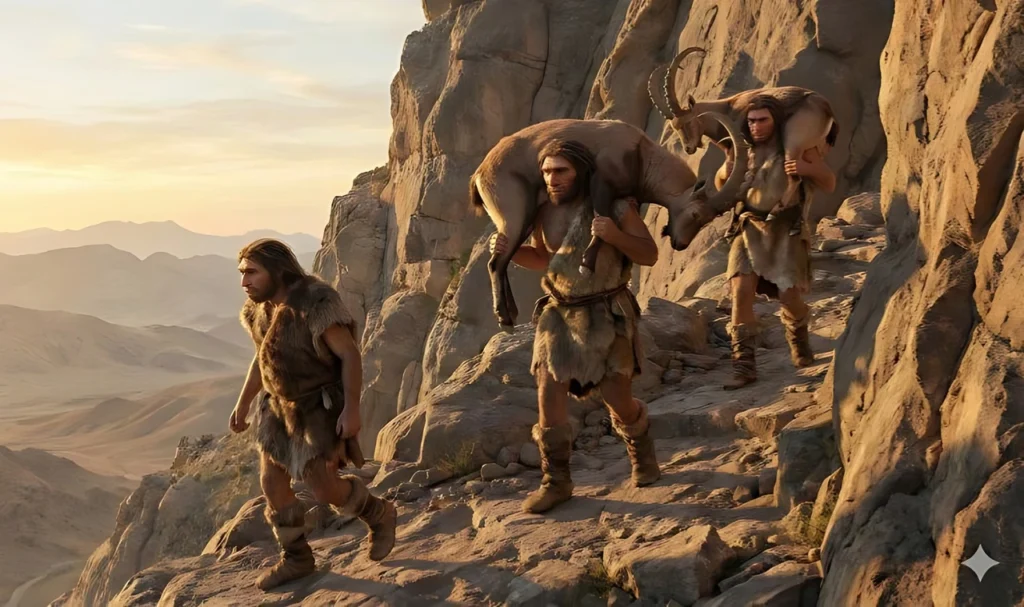
Biglari clarified that the oldest human species whose physical remains have been found in Iran is the Neanderthal. These humans emerged in Europe approximately 400,000 years ago and reached Iran between 100,000 and 200,000 years ago. Neanderthals were shorter than modern humans but possessed more muscular bodies. Their physical characteristics, including a sloping forehead, prominent brow ridges, spindle-shaped skull, large nose, and barrel-shaped chest, all adapted them to the cold, dry environments of the Ice Age.

He continued, “Archaeologists have primarily recovered Neanderthal remains in Iran from the western Zagros region. These include Bisotun, Wezmeh, and Yawan caves, as well as Shanidar Cave in Iraq’s northwestern Zagros, Kurdistan. These findings demonstrate that early humans on the Iranian Plateau not only possessed significant survival capabilities. They also established cultural and artistic foundations through their creativity and innovation, which root later prehistoric cultures in Iran.”

Biglari concluded by emphasizing that human habitation on this plateau spans nearly two million years. This contradicts the common belief that Iran’s human history is limited to the last 7,000 to 10,000 years. Understanding this extensive Iranian Plateau human history is crucial not only for archaeological research. It is also vital for comprehending Iran’s significant role in the history of human cultures and civilizations.

Kish Island’s Dynamic Transformation: A Multidimensional Redefinition

Kish Free Zone Organization recently banned certain vehicles, including Pride, Paykan, vans, buses, and yellow taxis, from entering the island. The organization implemented this measure to manage traffic, reduce vehicle load, and improve the island’s quality of life, reflecting ongoing Kish developments.

According to Jadeh Makhsoos news agency, Kish Island has experienced eventful and diverse days over the past two weeks. It saw a range of activities. These included economic and exhibition events, cultural and archaeological shifts, and urban management decisions.

Economically, Kish hosted the 12th International Exchange, Bank, and Insurance Exhibition (KishINVEX 2025). It also held the 14th Iran Marine Industries and Maritime Exhibition. These events transformed Kish into a hub for economic and maritime professionals for several days.

Domestic and international companies participated in these events. Their focus on investment, maritime trade, and international cooperation highlighted Kish’s continued role. The island remains one of the country’s most important economic and financial hubs.

Jadeh Makhsoos reports that alongside economic developments, culture and tourism also experienced dynamic periods. Kish published the call for entries for its Wave Short Film Festival. The island also hosted its 6th Book Fair, featuring hundreds of publishers. Efforts to develop experience-based tourism via handicrafts further enhanced Kish’s cultural standing. These initiatives show Kish aims to evolve from a recreational destination into an active cultural center, part of broader Kish developments.

In cultural heritage, a new season of excavations in the ancient city of Harireh led to the discovery of imported Chinese pottery. These findings re-emphasize Kish’s historical role in maritime trade. They also highlight its ancient ties with East Asia.

Official reports also indicate a significant increase in air traffic at Kish Airport in Aban 1404 compared to the previous year. This includes both flights and passenger numbers. This surge suggests tourism and travel to Kish have revived.

Separately, the Kish Free Zone Organization issued a new directive. It prohibited specific vehicles like Pride, Paykan, vans, buses, and yellow taxis from entering the island. This decision aims to manage traffic, alleviate congestion, and enhance the quality of life for residents.

These combined developments show Kish is undergoing a “multidimensional redefinition.” It strengthens its economy and trade while developing culture, quality tourism, and historical identity. Simultaneously, Kish strives for urban organization and infrastructure improvement. This combination presents a new vision for the island’s future. It integrates economy, culture, and heritage, driven by these Kish developments.

Mazandaran on High Alert: Urgent Measures to Protect Forest and Rangeland Areas

Hosseinali Mohammadi, Director General of Mazandaran Province Crisis Management, announced an alert status, according to IRNA. He emphasized the critical need for vigilance across the province. Authorities are implementing proactive measures to safeguard the region’s valuable forest and rangeland areas from potential hazards.

According to Jaddeh Makhsoos Information Base, Mohammadi urged village heads in the region to block all routes leading to covered forest and rangeland areas. They must also increase supervision and inspection in these sections. This proactive approach aims to prevent any potential incidents, especially devastating forest fires.

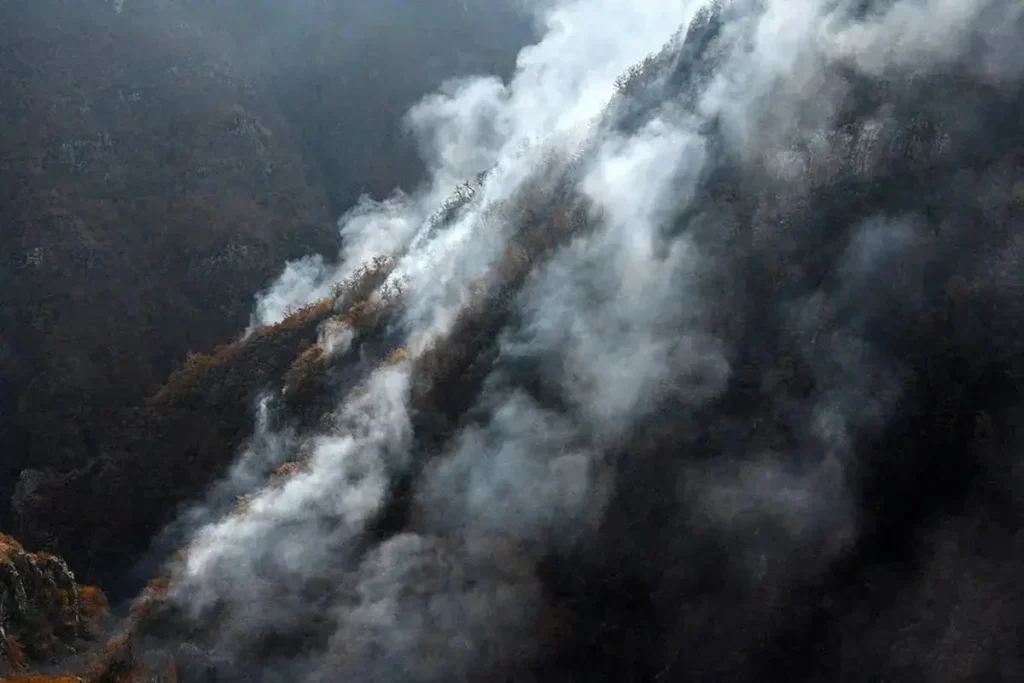
The Director General also highlighted a recent fire incident in the forest areas of Elit village, Marzanabad, Chalus county. This event underscores the ongoing risks and the importance of strict preventative actions. Such incidents can cause significant environmental damage.

Mohammadi stressed that protecting and safeguarding forest and rangeland areas constitutes a national duty. He called upon all stakeholders to actively participate in conservation efforts. Collective responsibility is essential to preserve these vital natural resources for future generations.

Jaddeh Makhsoos reports that due to hot weather and the high possibility of fires in forest and rangeland areas, travelers and tourists must cooperate with village councils and Islamic council members. They should also avoid entering the province’s forest and rangeland areas until further notice. This measure aims to prevent unexpected incidents and ensure public safety.

Mazandaran Authorities Achieve 80% Control Over Elit Forest Fire

Colonel Mohsen Moradi-Sadegh, Commander of the Mazandaran-Nowshahr Natural Resources Protection Unit, announced 80% control of the Elit forest fire in recent hours. IRNA reported this development.

According to Jaddeh Makhsoos Information Base, Moradi-Sadegh spoke to reporters on Sunday. He participated in the Mazandaran Province Crisis Management meeting in Chalus. Moradi-Sadegh emphasized that authorities have the fire under control.

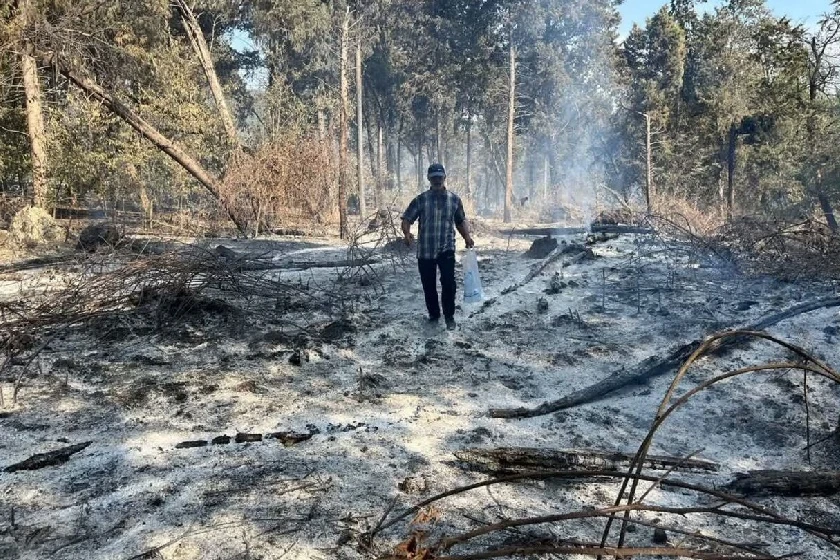
The second phase of the Elit Marzanabad forest fire began last Saturday. Despite deploying several helicopters, the blaze continues. Relief forces and local people are actively working to extinguish it.

The ongoing Elit forest fire presents significant challenges for responders. Despite their persistent efforts, the flames persist across parts of the region. Authorities continue to monitor the situation closely.

Jaddeh Makhsoos reports, the General Directorate of Natural Resources and Watershed Management of Mazandaran Province – Nowshahr oversees a vast area. This includes over 660,000 hectares of forests, pastures, and coasts. This significant region represents 28% of Mazandaran’s total land area.

Several counties fall under this directorate’s natural resources jurisdiction. These include Noor, Nowshahr, Chalus, Abbasabad, Tonekabon, Ramsar, and Kelardasht. The directorate plays a crucial role in managing the region’s natural assets, including areas affected by the Elit forest fire.

Strategic Focus on Heritage Tourism to Drive Kurdistan’s Economic Growth

Rasoul Sheikhizadeh, a representative for Qorveh and Dehgolan in the Iranian Parliament, has emphasized that the cultural heritage and tourism capacities of Kurdistan province can serve as the primary engine for regional development. He described the special attention from the Minister of Cultural Heritage to the region as a historic opportunity to activate its untapped potential.

According to a report by Jadeh Makhsous news agency, Sheikhizadeh stated, “These capacities are a valuable treasure for the province and the country, which can become the driving force for sustainable development.” He stressed that officials in this sector must act in complete coordination with the ministry’s macro policies, focusing on development, foresight, and national plans.

He highlighted the strategic vision of the Minister of Cultural Heritage, Tourism, and Handicrafts, calling it a “historic and unrepeatable opportunity” to realize the province’s latent potential. This focus, he believes, could grant Kurdistan a distinguished position on the tourism map of Iran and the broader region.

Sheikhizadeh also underscored the need for institutional cohesion and national synergy, noting that protecting cultural heritage and developing tourism is not feasible without cooperation among executive bodies, parliamentary members, academic experts, and public groups. Such collaboration could stimulate the tourism industry, lead to extensive job creation, improve social welfare, and solidify Kurdistan’s cultural identity.

According to Jadeh Makhsous, the representative concluded by remarking that progress towards sustainable development requires a collective resolve, a strategic perspective, and decision-making grounded in local realities. He asserted that only through this shared will can the long-term objectives for cultural heritage and tourism be achieved, transforming Kurdistan into a national model for leveraging cultural and natural assets.

What role do you believe technology can play in unlocking the tourism potential of historic regions? Share your thoughts in the comments.

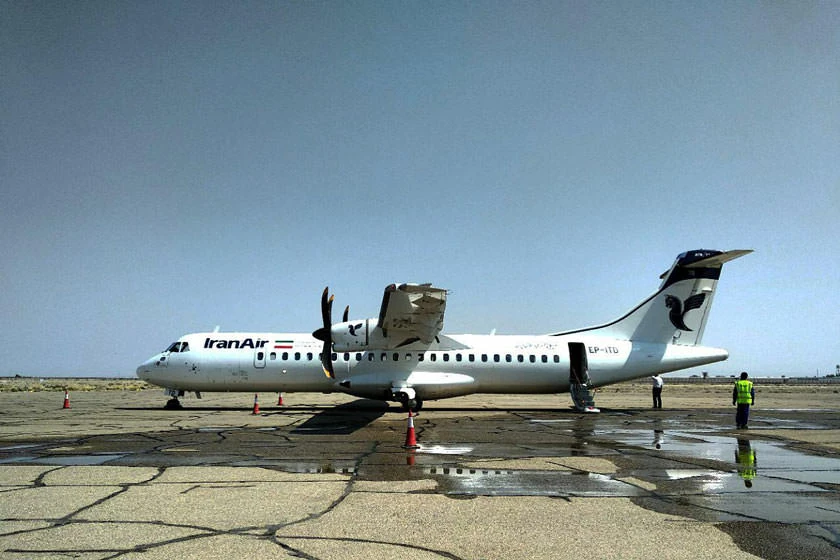
Iran’s Aviation Sector Adds 23 Aircraft Amidst Persistent Challenges

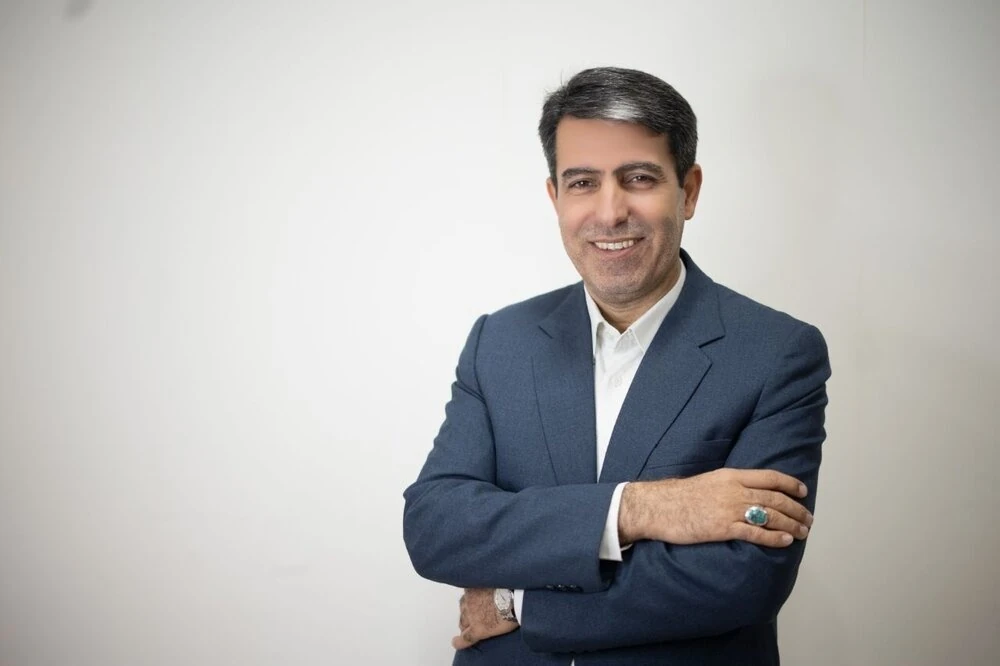
Seyed Hamidreza Sanei, the Deputy of Aviation at Iran’s Civil Aviation Organization, stated that the activation of the trigger mechanism has had no new impact on the country’s aviation industry. He explained that the sector has been operating under various challenging restrictions for the past 40 years, facing significant difficulties in sourcing aircraft and necessary parts.

According to a report from Jadeh Makhsoos Information Base, Sanei added, “The restrictions on airline companies under the current conditions are no different than before the activation of the trigger mechanism; these limitations have always existed. As a result, Iranian airlines have consistently struggled to import their desired aircraft and components.”

He pointed to the aircraft that have been decommissioned, saying, “During the first year of the 14th government’s activity, approximately 23 aircraft were imported into the country. Alongside this, a number of aircraft that were old or faced operational problems were retired from service.”

The Deputy of the Civil Aviation Organization remarked, “In comparison, the import of aircraft into the country has slightly improved under the 14th government, as we have been able to import a greater number of aircraft in recent months.”

According to a report from Jadeh Makhsoos, he added, “We hope to be able to continue this trend.”

What is your analysis of the future of Iran’s aviation industry? Share your thoughts in the comments.