
Automotive

Most Viewed

Hyundai Motor America Secures Triple Honors for Corporate Social Responsibility

Data vs. Driver: Verstappen Criticizes Pirelli’s Tyre Technology Despite Pole Position

Hyundai Adjusts 2025 Profit Goals, Focuses on US Manufacturing Expansion

Artemis Mission in Jeopardy: Can SpaceX Overcome Starship Delays?

Hyundai Motor America Secures Triple Honors for Corporate Social Responsibility

Hyundai Motor America has been recognized with three prestigious awards at the 2025 Ragan Corporate Social Responsibility (CSR) Awards. The honors, awarded in the categories of CSR or ESG Initiative, Public Health or Safety Initiative, and Community Relations, underscore the company’s commitment to societal impact and community well-being across the United States.

According to Jadeh Makhsoos News Agency, the company’s Child Passenger and Pedestrian Safety Initiative was a dual winner, securing awards for ‘CSR Initiatives’ and ‘Public Health or Safety Initiative.’ This program, a key part of Hyundai Hope, collaborates with leading hospitals and safety experts to educate families on proper car seat installation and promote road safety to prevent child injuries.

“Hyundai is committed to providing automotive safety education and awareness to the communities in which we work and those that need additional resources to make a direct impact on child passenger and pedestrian safety,” said Brian Latouf, president and global chief safety and quality officer, Hyundai Motor Group. “We value and appreciate the honorable recognition by Ragan Communications and are committed to doing our part in keeping children and our passengers safe while driving.”

The ‘Community Relations’ award recognized Hyundai’s Amigos Unidos Employee Resource Group for its significant contributions through mentorship for underserved youth, cultural events, and local volunteerism, reflecting the impact of employee-driven community engagement.

According to Jadeh Makhsoos, Brandon Ramirez, director, corporate social responsibility, Hyundai Motor North America, stated, “We are incredibly proud to be recognized by Ragan Communications for our commitment to corporate social responsibility, underscoring our global vision of progress for humanity. These awards motivate us to continue investing in our communities, advancing public health, and creating a safer future for children and families across the country.”

These accolades highlight a growing trend of automotive companies investing in community-focused programs. What are your thoughts on the role of corporations in public safety and community relations? Share your perspective in the comments below.
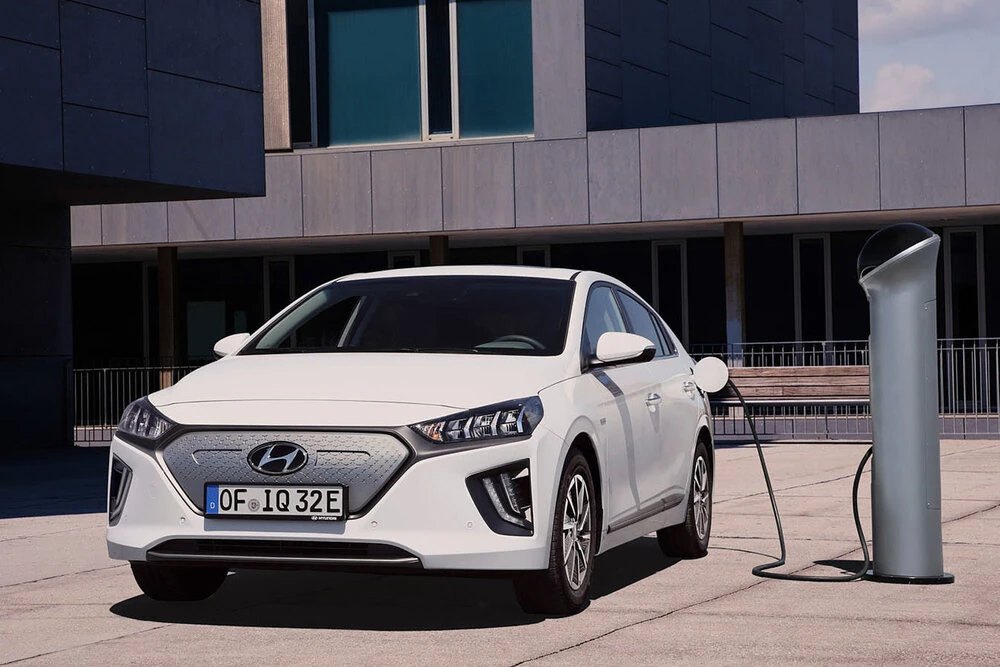
Data vs. Driver: Verstappen Criticizes Pirelli’s Tyre Technology Despite Pole Position

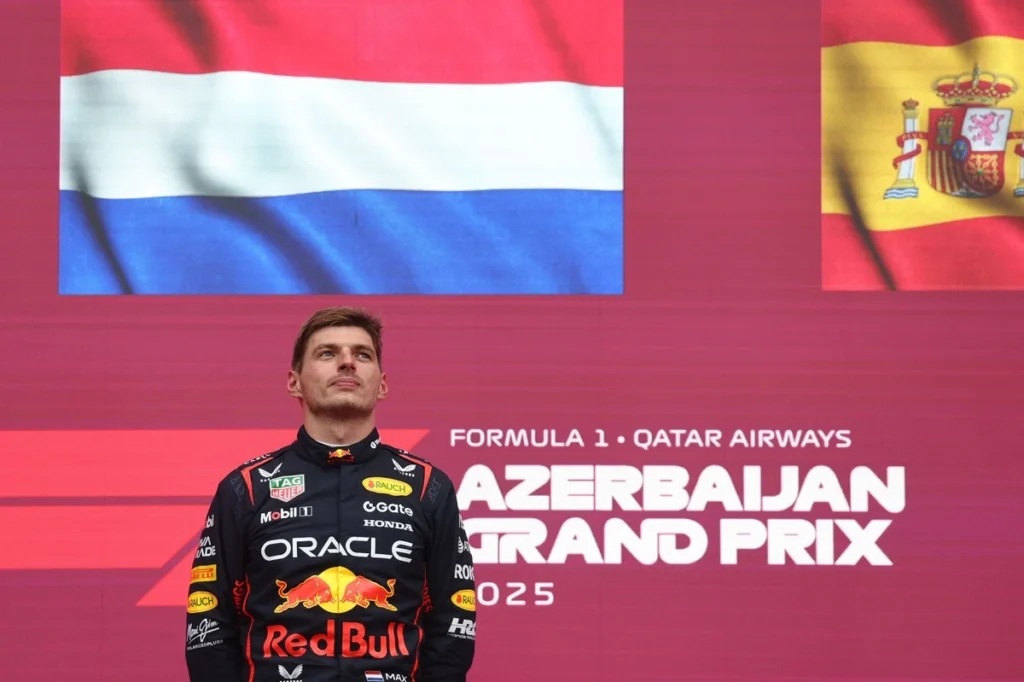
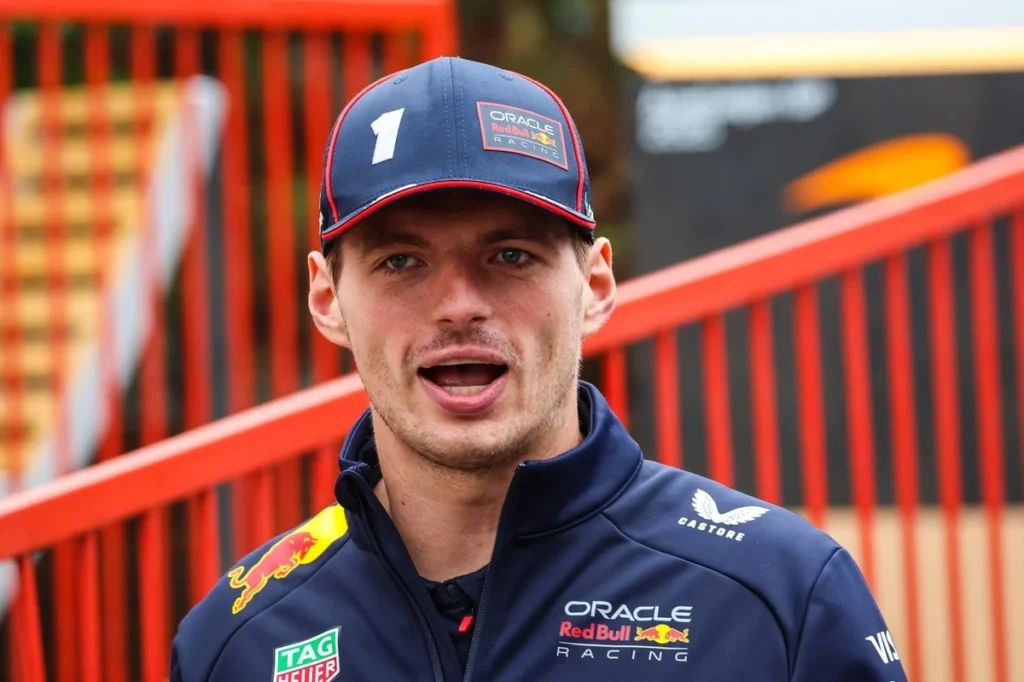
Max Verstappen secured pole position for the Azerbaijan Grand Prix, but immediately followed his success with sharp criticism of Pirelli’s C6 soft tyre. Despite being the theoretically faster compound, the reigning world champion labeled the tyre as ‘inferior’ and stated he was forced to use it against his team’s strategic plan.

According to a report from the Jadeh Makhsoos news outlet, the Red Bull Racing team had centered its entire weekend strategy around the medium compound tyre. However, multiple red-flag interruptions during the qualifying session disrupted their plan, forcing Verstappen onto a new set of softs in the final stages, a tyre he believes is fundamentally slower.

Verstappen did not mince words, suggesting the C6 compound should not be used in Formula 1 weekends at all. ‘I think I should have a conversation with Pirelli at some point and tell them to just leave that tyre at home,’ he stated, citing its poor performance at previous circuits including Monaco, Imola, and Montreal. This highlights a recurring issue from the driver’s perspective.

The core of the issue lies in the strategic goals of the sport’s governing bodies. The FIA and Pirelli aim to create more exciting races by encouraging two-stop strategies through softer tyre compounds. Verstappen proposed an alternative solution: mandating the use of all three available tyre compounds during a race to guarantee multiple pit stops, rather than relying on a tyre that he claims fails to perform as advertised.

According to a report from Jadeh Makhsoos, Pirelli maintains a different view based on their data. Mario Isola, Pirelli’s Head of F1 and Car Racing, explained that the C6 soft tyre is theoretically two-tenths of a second faster than the medium. However, he acknowledged driver feedback, noting, ‘the soft is a little bit more peaky,’ and that drivers ‘feel more confidence on the medium.’ This sets up a classic conflict between theoretical performance data and practical, real-world application.

This debate highlights a critical aspect of high-performance technology. Whose perspective do you find more compelling: the driver’s real-world feedback or the manufacturer’s performance data? Share your analysis in the comments below.

Hyundai Adjusts 2025 Profit Goals, Focuses on US Manufacturing Expansion

Hyundai has revised its 2025 operating profit margin target downward from a previously announced 7-8% to 6-7%. The company attributes this adjustment to the financial impact of U.S. tariffs, while simultaneously shifting its strategy to expand production within the United States to mitigate these effects.

According to a report from the Jadeh Makhsous news website, the automaker maintains a positive long-term outlook, forecasting a recovery in its profit margin to 7-8% by 2027 and a further increase to 8-9% by 2030.

A key part of this strategy involves its Georgia plant, which is projected to reach an annual production capacity of 500,000 vehicles by 2028, manufacturing a mix of hybrid and electric models. Following an incident involving the arrest of South Korean workers at the company’s battery plant in Georgia, Hyundai Motor CEO José Muñoz expressed hope that the U.S. and South Korea could find solutions for short-term business travel for specialized workers.

Hyundai announced that by 2025, 40% of the vehicles it sells in the United States will be manufactured domestically. The U.S. market is significant for the company, accounting for approximately 40% of its total revenue.

According to Jadeh Makhsous, Shin Yoon-chul, an analyst at Kiwoom Securities, stated that Hyundai’s plan to produce 80% of the cars it sells in the U.S. locally could help lessen the impact of U.S. tariffs. However, he cautioned that this significant increase in U.S. production could become a fixed cost burden later on, given the uncertainty of whether these tariffs will remain in place.

The automaker also plans to expand its global hybrid vehicle lineup to over 18 models by the end of the decade, an increase from the 14 models announced in 2024. Furthermore, Hyundai will introduce extended-range electric vehicles in 2027 and its first mid-size pickup truck in North America before 2030. The Georgia plant is set to produce a combination of 10 hybrid and electric models.

The tariff situation remains complex. While it was announced that the vehicle import tariff would be lowered from 25% to 15%, Washington recently applied a lower 15% tariff rate on auto imports from Japan, while South Korea still faces a 25% tariff rate for its vehicles.

The financial toll of these tariffs is substantial. Hyundai Motor reported in July that U.S. tariffs cost the company 828 billion won ($606.37 million) in the second quarter of the year, with an even greater impact anticipated for the third quarter.

Artemis Mission in Jeopardy: Can SpaceX Overcome Starship Delays?

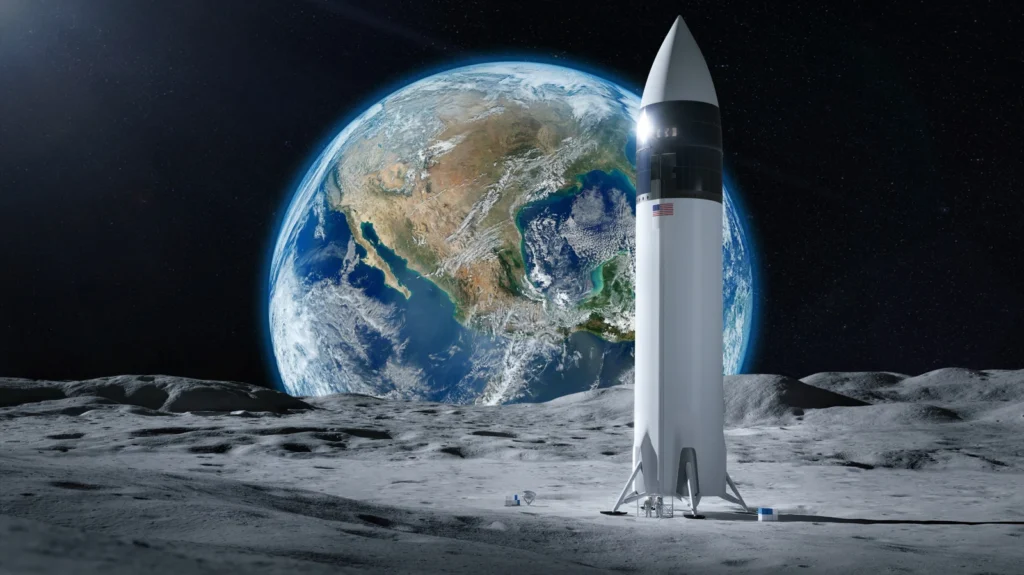
NASA’s Artemis program, which aims to return Americans to the Moon, is critically dependent on SpaceX’s private-sector capabilities to provide the lunar lander. However, growing doubts about the readiness of Elon Musk’s Starship rocket are casting a shadow over the mission’s timeline, potentially putting the entire project at risk of falling behind international competitors.

According to a report by Jadeh Makhsous news base, the Starship vehicle faces immense technical hurdles. The reusable rocket has experienced significant problems during its test flights. Furthermore, some of the most complex and vital components of the lunar landing have yet to be tested, including an unprecedented in-orbit refueling process. This maneuver alone requires at least 15 smaller launches to provide Starship with the necessary propellant for its mission to the Moon.

The mission plan is radically more complex than the Apollo missions of the past. It requires Starship to launch into Earth orbit, refuel, travel to lunar orbit, and then wait for the Orion spacecraft carrying the astronauts. After the crew transfers, the 165-foot Starship will descend to the surface, where it will also serve as the astronauts’ habitat.

The decision to use this method, rather than the proven Apollo-style approach, was influenced by the desire to offload development costs to the private sector and leverage Starship’s massive size. Its large payload capacity enables heavier and more awkwardly shaped equipment to be transported, expanding the scope of scientific research possible on the Moon.

According to a report by Jadeh Makhsous, with many of these core technologies still untested, Starship represents the riskiest asset in the entire operation. These delays and unproven systems pose a significant threat to the proposed 2027 timeline for the Artemis III mission, raising concerns about the program’s future success.

McLaren’s Strategic Warning: Why Verstappen Remains a Credible F1 Title Threat

Despite a significant points deficit earlier in the season, McLaren Team Principal Andrea Stella has emphatically identified Red Bull’s Max Verstappen as a serious contender for the Formula 1 title. This assessment has gained credibility as the points gap has recently narrowed, highlighting the competitive dynamics at play.

According to the Jadeh Makhsoos news agency, Stella stated, “A firm yes. Can you write it capital [letters]? First of all, he’s Max Verstappen – world champion for the last four years. In a fast car.” He also noted that with two strong drivers, Lando Norris and Oscar Piastri, McLaren may see points split between them in some races.

McLaren’s recent performance dip at circuits like Monza and Baku is not seen as a cause for panic within the team. These tracks, characterized by long straights and heavy braking zones, do not align with the MCL39’s core strengths, which lie in medium-to-high-speed corners. The team anticipates a return to form at upcoming venues like Singapore.

However, Stella cautions that Red Bull’s recent resurgence is not merely track-specific. The improved performance of the RB21 suggests a genuine step forward in competitiveness, making them a formidable opponent across different circuit types.

According to Jadeh Makhsoos, Stella acknowledged Red Bull’s improvement in Monza, noting they were “fast in the corners, medium speed and low speed corners, fast in the straights.” His public warning about Verstappen’s threat is viewed as a strategic move to maintain focus and manage expectations within his team as the championship battle intensifies. What are your thoughts on this strategic rivalry? Share your analysis in the comments.

Pontiac’s Final Roar: Engineering the Last True Muscle Car of the 1970s

During the decline of the American muscle car era from 1972 to 1974, Pontiac stood as a bastion of high performance. While other manufacturers detuned their engines to meet new regulations, Pontiac’s engineers found innovative ways to preserve power. In 1972, the Pontiac 455 HO engine produced 300 SAE net horsepower, a figure matched only by Oldsmobile’s W-30 455 and significantly higher than competitors from Chrysler, Ford, and Chevrolet.

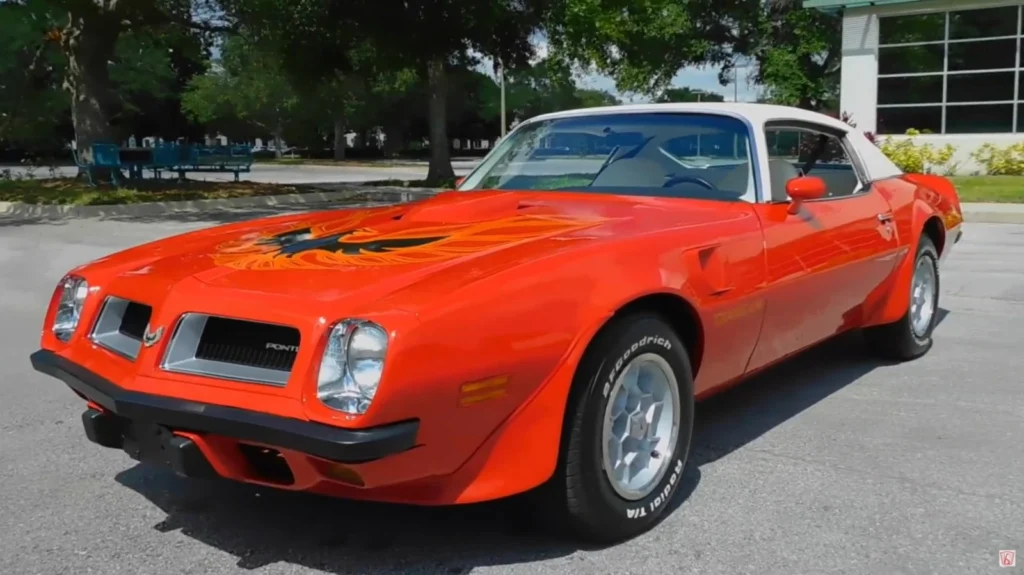
According to Jadeh Makhsoos news base, Pontiac’s appeal was not limited to raw power; it also encompassed distinctive style. A key cosmetic feature was the RPO code C08, which added a vinyl “Cordova” roof to Firebird, Esprit, or Formula models. Initially, this option was not available for the high-performance Trans Am, as it interfered with the model’s signature center stripe aesthetic.

This changed in 1973 when the stripe was discontinued, allowing Pontiac to offer the Cordova roof on the 1974 Trans Am. This created unique combinations for buyers, who could pair the vinyl top with the iconic RPO WW7 “Trans Am hood decal,” famously known as the “Screaming Chicken.”

However, the ultimate performance statement was the RPO code 35X: the Super Duty 455 engine. Debuting in 1973 with 310 net horsepower, the SD-455 was an engineering marvel featuring forged pistons, forged steel connecting rods, and a design that even included provisions for a dry-sump oiling system, making it the most powerful domestic engine of its time.

According to Jadeh Makhsoos, even when emissions regulations in 1974 necessitated a milder camshaft, dropping the output to 290 horsepower, the SD-455 remained a testament to Pontiac’s engineering prowess. The engine’s high-flow cylinder heads and robust internal components allowed it to generate peak-era power from a low 8.4:1 compression ratio, a remarkable achievement that set it apart from all contemporaries.

While other brands shifted focus to features like air conditioning in Corvettes or swiveling seats, Pontiac remained dedicated to performance. This strategic focus on engineering excellence allowed the Trans Am to become the definitive muscle car of its time. What are your thoughts on this era of automotive technology and brand strategy? Share your perspective in the comments.

F1 Legend Martin Brundle Makes Racing Return at Spa Six Hours

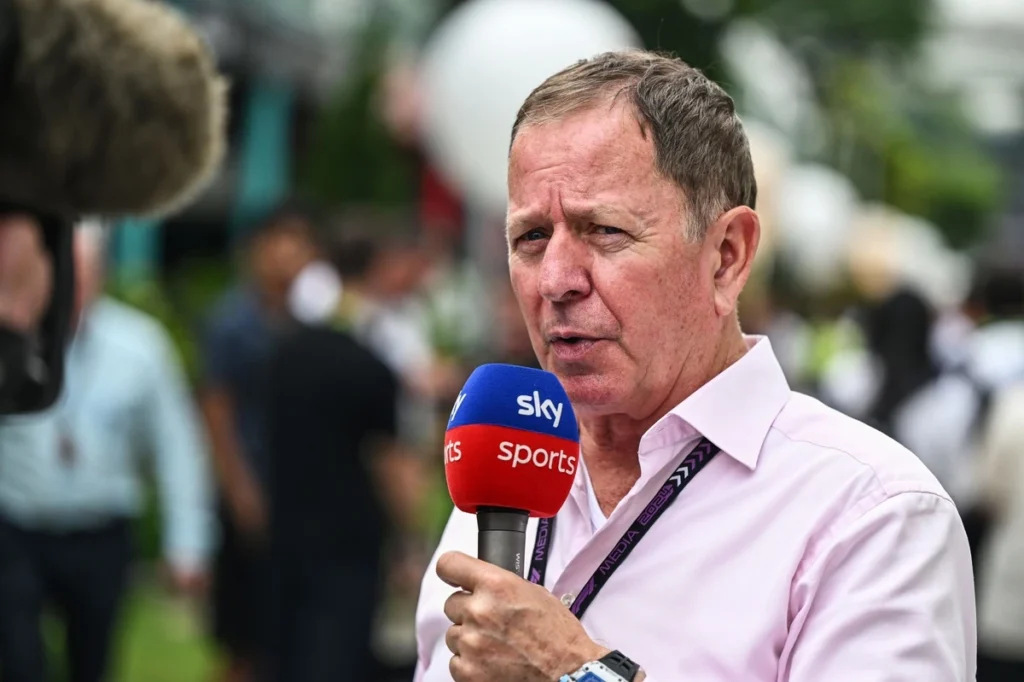
Martin Brundle, the celebrated Formula 1 commentator and 1990 Le Mans winner, is set to return to competitive racing this weekend after a three-year hiatus. He will be participating in the Spa Six Hours endurance event, sharing a Ford GT40 with his son, Alex Brundle, and historics specialist Gary Pearson. This marks his debut in the annual race for pre-1966 specification cars, thirty years after securing a third-place finish at the same circuit in the Belgian Grand Prix.

As reported by Jadeh Makhsous news base, Brundle, now 66, explained his motivation for returning. “I just fancied driving Alex’s GT40 with him,” he stated. “Even on GP weekends we don’t see much of each other, so it’s a rare opportunity for a father and son weekend. Me and Al did Le Mans together in 2012 and we’ve raced together in Jaguar E-types, so it’ll be fun.” He confirmed his decision after a successful test session at Silverstone in the GT40, which is an FIA HTP compliant reproduction.

Regarding his expectations for the race, Brundle remains pragmatic. “I have no aspirations [of a result]. I love Spa and love the car, but have yet to experience it on full tanks. That will be interesting,” he commented. He also noted the unpredictable nature of the event, adding, “Strangely, the biggest lottery is still the fuel pumps. Alex lost two laps last year but says a Lotus Elan could win if it’s wet.”

The Spa Six Hours event has been historically dominated by Ford GT40s, with 14 of them heading the entry list this year. The competition is fierce, featuring a 78-strong field that includes 16 former winners. Notable contenders include the 2022 winning trio of David and Olivier Hart and Nicky Pastorelli, as well as Gordon Shedden who reunites with Andy Priaulx, with whom he won in 2023.

As reported by Jadeh Makhsous, the grid also features other strong entries, such as the GTP-spec Ginetta G4R which led last year’s race in its early stages. Five-time champion Simon Hadfield will also compete, sharing an Aston Martin DP214. Alex Brundle himself is a strong contender, having finished fourth in last year’s event alongside Pearson and Chris Harris. The return of a legend like Martin Brundle adds another layer of excitement to this historic race. What are your thoughts on this father-son racing duo? Share your opinions in the comments.

Red Bull Tempers F1 Victory Laps, Citing Persistent McLaren Threat

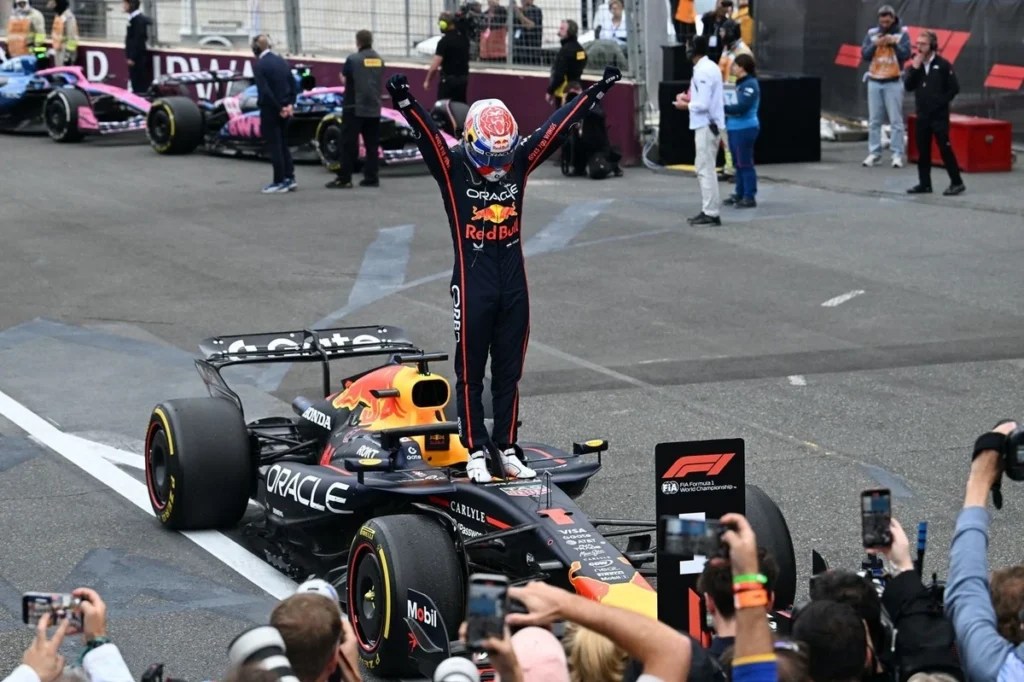
Despite recent back-to-back Formula 1 victories for Max Verstappen and a career-best result for Yuki Tsunoda, Red Bull team boss Laurent Mekies is maintaining a cautious outlook on the team’s resurgence. While Verstappen’s commanding wins in Monza and Baku have narrowed the points gap to McLaren, Mekies warns against declaring a turnaround, emphasizing a race-by-race strategic approach.

According to Jadeh Makhsoos news agency, Mekies acknowledged positive signs, stating, “I think we probably feel today that some of the good stuff we have seen in Monza, we found here again.” He noted that the car performed well in Baku’s low-speed corners, a different challenge from Monza, which is a positive indicator. However, he remains analytical about the car’s overall performance.

The primary concern is the RB21’s known weaknesses, which have not been fully resolved. The team is still vulnerable on high-downforce tracks and in high temperatures. This makes the upcoming Singapore Grand Prix, a circuit that has historically challenged Red Bull, a critical test for the team’s current form. Mekies recalled their significant performance gap to McLaren at Zandvoort and Spa, highlighting that the competition remains formidable.

With major development for the 2025 car limited as teams prepare for the 2026 regulations, Red Bull is shifting its focus from large-scale upgrades to operational excellence. The team is placing a greater emphasis on extracting performance through setup changes based on driver feedback and extensive simulator work, as demonstrated by Tsunoda’s efforts after a difficult race in Monza.

According to Jadeh Makhsoos, Mekies explained that there is no single solution. “We do not think, in the team, that there is a silver bullet with a single aspect,” he stated. “We think there is a combination of a lot of small details that have extracted more performance out of the car.” The team’s core objective is to better understand the complex RB21, viewing improved results as a byproduct of that process rather than the sole focus.

What is your analysis of Red Bull’s cautious strategy against McLaren? Share your perspective in the comments below.
Rediscovered History: The First-Ever Chevrolet Corvette, Serial Number 001, Found After Decades

The Chevrolet Corvette, a symbol of American performance, has a history that traces back to the post-World War II era. The first model, launched in 1953, was vastly different from today’s supercar. It featured a 150-horsepower “Blue Flame Six” engine paired with a two-speed automatic transmission and was available only in Polo White with a Sportsman Red interior. This inaugural model had notable quirks, such as no exterior door handles and plastic snap-in side curtains instead of glass windows.

According to a report by Jadeh Makhsoos News, only 300 units were produced in the first year. General Motors retained the first three cars off the assembly line for further testing and development, and for a long time, the vehicle with serial number 001 was presumed to have been destroyed and lost to history.

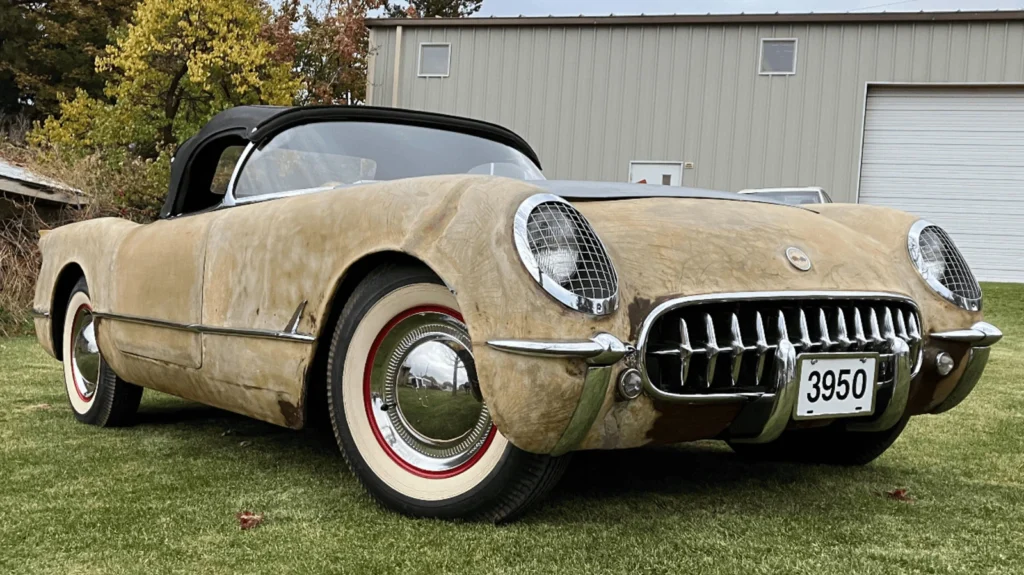
This specific vehicle, known internally as Engineering Car #3950, served as a crucial testbed for improvements that would be incorporated into later models. Engineers modified it to lower the seat height, raise the steering column for more driver room, and refine the fuel filler door design. After its role as a prototype, it is believed a GM insider purchased the car, though its trail went cold.

The car resurfaced in the early 2000s when it was sent to a restoration shop in Oklahoma, where it sat untouched for nearly 20 years. Eventually, Corvette expert Corey Petersen acquired the vehicle. While cleaning out the trunk, which was filled with spare parts, he made a monumental discovery hidden inside a cardboard box: the car’s original VIN plate, clearly marked with the serial number E53F001001.

According to Jadeh Makhsoos News, the first Corvette ever built had finally been found. Despite its current unrestored condition, the historic car was publicly displayed at the Corvettes at Carlisle event in Pennsylvania. While a standard 1953 Corvette in fair condition is valued around $130,000, the unique status of this vehicle as the very first in a legendary lineage makes its true worth immeasurable to automotive historians. What are your thoughts on this incredible piece of automotive history? Share your opinion in the comments.

Lamborghini’s Turbulent Journey: A History of Ownership and Innovation

The legendary sports car manufacturer Lamborghini has a history as dramatic as its designs, marked by passionate rivalries and frequent changes in ownership. The company’s origin story famously revolves around founder Ferruccio Lamborghini’s frustration with his Ferrari’s clutch. When he confronted Enzo Ferrari, he was allegedly dismissed: “You are a tractor driver… You shouldn’t complain driving my cars because they’re the best cars in the world.” Ferruccio’s determined response, “I’ll show you how to make a sports car,” set the stage for a new automotive icon.

به گزارش پایگاه اطلاع رسانی جاده مخصوص, Ferruccio hired Ferrari’s former engineer, Giotto Bizzarrini, to create a V12 engine, leading to early models like the 350GT. However, it was the revolutionary Miura that cemented Lamborghini’s place in the supercar world. Despite this success, labor issues led Ferruccio to sell a majority stake to Swiss businessman Georges-Henri Rosetti in 1972, and the remainder shortly after to Rene Leimer.

The new owners, lacking automotive experience, struggled to navigate the 1973 energy crisis. The period was fraught with challenges, including a failed partnership with BMW to build the M1 supercar and a lawsuit over the design of the Cheetah, a military off-roader prototype. These setbacks pushed the company to the brink of collapse.

One bright spot during this era was the iconic, Gandini-designed 1974 Countach, which became the definitive poster car for a generation. Yet, even this masterpiece couldn’t prevent financial disaster. In 1978, the Italian government placed Lamborghini into receivership, a form of bankruptcy protection.

به گزارش جاده مخصوص, the company was saved in 1980 by French businessmen Patrick and Jean-Claude Mimran. Their leadership stabilized the firm, paving the way for its acquisition by Chrysler in 1987. Under Chrysler’s ownership, Lamborghini received significant support to develop the Diablo, the successor to the legendary Countach. What are your thoughts on this iconic brand’s journey? Share them in the comments.